
Quick answer
Gangrene is the death of body tissue due to a lack of blood flow or a severe infection, most often in the fingers and toes. Its types include dry, wet, gas, and internal gangrene. Signs include skin color changes, pain, swelling, and a foul smell. Treatment can include antibiotics, removal of dead tissue, restoring blood flow, and even amputation, while prevention involves controlling diabetes and caring for wounds.
Gangrene can cause life-threatening complications if it is not treated properly. These complications can occur when an infection spreads to other parts of the body or when dead tissue affects the function of vital organs.
Have you ever heard of gangrene? This medical condition may sound unfamiliar, but gangrene is a serious problem if it is not treated properly. Gangrene occurs when body tissue dies because of a lack of blood flow or a severe infection, and if left untreated, it can spread quickly to other areas of the body. According to data from the World Health Organization (WHO), complications from gangrene are still one of the main causes of amputation worldwide, especially in people with diabetes and blood circulation disorders.
In this article, we explain in full what gangrene is, its types, and the steps you can take to protect yourself and your loved ones from this condition.
What Is Gangrene?
Gangrene is a serious condition in which body tissue dies because of a lack of blood flow or a severe infection. Gangrene usually occurs in areas of the body far from the heart, such as the fingers, toes, or other limbs. Without enough blood supply, the tissue does not get the oxygen and nutrients it needs to survive, so it eventually dies. If not treated promptly, gangrene can spread to other areas of the body and cause life-threatening complications.
Types of Gangrene
Gangrene is not just one condition; it is divided into several types based on its cause and characteristics. Here are the most common types of gangrene:
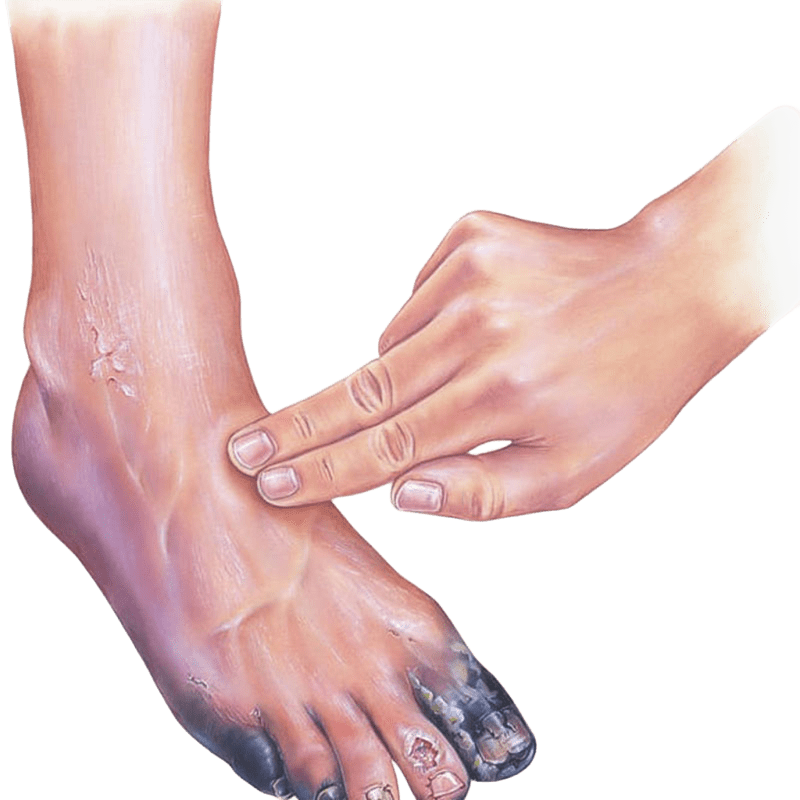
- Dry gangrene: This type occurs when blood flow to an area of the body is gradually blocked, usually because of diseases such as diabetes or atherosclerosis (narrowing of the blood vessels). Dry gangrene often appears on the hands or feet and is marked by skin that dries out, hardens, and turns black or dark brown.
- Wet gangrene: Unlike dry gangrene, wet gangrene is caused by a bacterial infection in wounded or injured tissue. This type develops quickly and is marked by swelling, pus, and a foul smell. Wet gangrene is very dangerous because it can spread quickly throughout the body if not treated promptly.
- Gas gangrene: This type is caused by an infection with certain bacteria, such as Clostridium, which produce toxic gas inside the tissue. Gas gangrene often occurs in deep wounds or after surgery. Symptoms include skin that looks pale or grayish, swelling, and a crackling sound when the infected area is pressed because of gas under the skin.
- Internal gangrene: Internal gangrene occurs when blood flow to an internal organ, such as the intestines, gallbladder, or appendix, is blocked. This condition is very dangerous because it is hard to detect visually and often requires emergency medical treatment.
Causes of Gangrene
Gangrene is a serious condition that can be caused by various factors. Below are the causes that can trigger gangrene, from main risk factors such as diabetes and circulation disorders to the specific causes of each type of gangrene.
Main Risk Factors
Gangrene does not happen suddenly; it is triggered by several risk factors that can worsen blood flow or lead to infection. Here are the main factors that increase a person’s risk of gangrene:
- Diabetes: Diabetes is one of the main causes of gangrene. High blood sugar levels can damage blood vessels and nerves, reducing blood flow to certain areas of the body, especially the feet. According to the International Diabetes Federation (IDF), about 10 to 15% of people with diabetes are at risk of developing serious wounds that can progress to gangrene *. (* Source: IDF Clinical Practice Recommendations on the Diabetic Foot)
- Blood circulation disorders: Conditions such as atherosclerosis (narrowing of the blood vessels) or peripheral artery disease can block blood flow to the limbs. Without enough blood supply, body tissue does not get the oxygen and nutrients it needs, making it prone to tissue death.
- Infected wounds: Open wounds, especially those that are not cared for properly, can become an entry point for bacteria that cause infection. A severe wound infection can trigger wet gangrene, which develops quickly and can spread to other areas of the body.
- Severe injury or surgery: Severe physical trauma, such as accidents or burns, can damage tissue and blood vessels, increasing the risk of gangrene. In addition, surgical procedures can also be a risk factor, especially if an infection develops after surgery.
Specific Causes for Each Type of Gangrene
Each type of gangrene has different causes:
- Dry gangrene: Usually caused by chronic blood circulation disorders, such as atherosclerosis or diabetes. Blocked blood flow makes the tissue die slowly without any infection.
- Wet gangrene: Caused by a bacterial infection in an open wound or injury. Bacteria such as Staphylococcus or Streptococcus can cause severe inflammation, swelling, and rapid tissue death.
- Gas gangrene: This type is caused by an infection with Clostridium bacteria, which produce toxic gas inside the tissue. These bacteria often enter through deep wounds or after surgery, especially in areas with little exposure to oxygen.
- Internal gangrene: Occurs when blood flow to an internal organ, such as the intestines or gallbladder, is blocked. The cause can be a hernia, torsion (twisting of an organ), or a blood clot that blocks the blood supply.
Medical Conditions That Increase the Risk of Gangrene
Several medical conditions can make a person more prone to gangrene:
- Vascular disease: Conditions such as atherosclerosis, peripheral artery disease, or vasculitis can reduce blood flow to various parts of the body, increasing the risk of gangrene.
- Weakened immune system: People with a weakened immune system, such as people with HIV/AIDS, patients on chemotherapy, or people taking immunosuppressant drugs, are more prone to infections that can trigger gangrene.
- Obesity: Excess body weight can increase the risk of diabetes and blood circulation disorders, two main factors that contribute to gangrene.
- Smoking: Smoking can damage blood vessels and reduce blood flow, making smokers more prone to gangrene, especially in the feet and hands.
Signs of Gangrene to Watch Out For
Early detection is crucial in treating gangrene. Understanding the symptoms of gangrene, both early and advanced, is therefore an important first step in saving body tissue and even lives. Below are the warning signs you should watch out for, so you can seek medical help promptly if you suspect gangrene.
Early Signs of Gangrene
The early symptoms of gangrene can vary depending on the type of gangrene. Here are the early signs to look out for, by type:
- Dry gangrene:
- Skin color changes to pale, bluish, or blackish.
- The skin feels dry and hard and may look shriveled.
- Pain or discomfort in the affected area, especially in the early stages.
- The affected area may feel cold to the touch because of a lack of blood flow.
- Wet gangrene:
- Swelling and redness in the infected area.
- The skin looks moist or wet and may leak fluid.
- Severe pain that appears suddenly and keeps getting worse.
- The affected area feels warm or hot to the touch.
- Gas gangrene:
- The skin looks pale or grayish.
- Severe swelling that is very painful.
- A crackling sound when the infected area is pressed, caused by gas trapped under the skin.
- Fever and a feeling of weakness.
- Internal gangrene:
- Severe abdominal pain that appears suddenly.
- High fever and chills.
- Nausea, vomiting, or discomfort in the abdominal area.
- These symptoms are often hard to recognize because they occur inside the body.
Advanced Symptoms
If gangrene is not treated promptly, symptoms can become more severe and life-threatening. Here are the advanced symptoms to watch out for:
- Foul smell: In wet gangrene, the infected area gives off a strong foul smell. This smell is caused by dead tissue and bacterial infection. It is often a sign that gangrene has progressed to a more serious stage.
- Discharge of pus or fluid: An area affected by wet gangrene may discharge pus or brownish fluid. This fluid is the result of a bacterial infection that damages tissue. The pus is often accompanied by severe pain and swelling that keeps getting worse.
- Numbness or loss of sensation: As gangrene progresses, the affected area may lose sensation or become completely numb. This happens because the nerve tissue has been damaged by a lack of blood flow or by infection. In dry gangrene, numbness often follows the early painful stage.
- Fever and weakness: In severe cases, gangrene can cause high fever, chills, and extreme weakness. This is a sign that the infection may have spread to the bloodstream (sepsis), which requires emergency medical treatment.
Diagnosing Gangrene
Determining whether a person has gangrene requires a careful diagnostic process. This section explains how doctors diagnose gangrene, from a physical examination to the use of imaging technology. Understanding these diagnostic methods will help you see why it is important to consult a doctor promptly if you suspect gangrene.
Diagnostic Methods Doctors Use
To diagnose gangrene, the doctor will use several examination methods to identify the condition of the dead tissue, its cause, and its severity. Here are the diagnostic methods commonly used:
- Physical examination: The doctor will examine the affected area for signs of gangrene, such as changes in skin color (turning black, bluish, or reddish), swelling, or a foul smell. The doctor will also check sensation in the area, such as numbness or pain, as well as skin temperature to determine whether blood flow is impaired.
- Blood tests: Blood tests are done to check for signs of infection, such as an increased white blood cell count. Blood tests can also measure blood sugar levels, especially in patients with diabetes, because diabetes is one of the main risk factors for gangrene.
- Medical imaging:
- X-ray: Used to detect gas under the skin, especially in cases of gas gangrene.
- CT scan or MRI: These methods help the doctor see the condition of tissues and internal organs in detail, especially for diagnosing internal gangrene.
- Doppler ultrasound: Used to check blood flow in the blood vessels, especially in patients with blood circulation disorders.
- Tissue biopsy: In some cases, the doctor may take a tissue sample from the affected area to be analyzed in a laboratory. This helps identify the type of bacteria causing the infection (in wet or gas gangrene) and confirm the diagnosis.
The Importance of Early Detection to Prevent Complications
Early detection of gangrene is very important to prevent serious complications that can be life-threatening. Here is why a fast and accurate diagnosis is so crucial:
- Preventing the spread of infection: Gangrene, especially wet and gas gangrene, can spread quickly to surrounding tissue and even throughout the body through the bloodstream. Early detection allows the doctor to give treatment promptly, such as antibiotics or surgery, to stop the infection from spreading.
- Reducing the risk of amputation: In severe cases of gangrene, amputation may be needed to stop the infection from spreading further. With a fast diagnosis and treatment, the doctor can save tissue that is still healthy and reduce the likelihood of amputation.
- Preventing sepsis: Sepsis is a dangerous complication that occurs when an infection spreads to the bloodstream. According to data from the World Health Organization (WHO), sepsis causes millions of deaths every year. Early detection of gangrene can prevent the infection from developing into sepsis.
- Improving patients’ quality of life: Prompt treatment not only saves lives but also helps patients recover faster and return to normal activities. Patients who are diagnosed early have a greater chance of recovering without long-term complications.
Treating Gangrene
Treatment for gangrene depends on the type, the severity, and the area of the body affected. The goals are to stop the spread of infection, save tissue that is still healthy, and restore body function. Here are the treatment steps commonly taken by the medical team:
1. Emergency Treatment Steps
Emergency treatment is needed especially in cases of wet or gas gangrene, which can spread quickly. Emergency steps include:
- Intravenous (IV) antibiotics: Antibiotics are given through an IV drip to fight the bacterial infection quickly and effectively.
- Stabilizing the patient’s condition: If the patient goes into septic shock or has other serious complications, the medical team will take steps to stabilize them, such as giving IV fluids or oxygen.
- Isolating the infected area: The area affected by gangrene will be cleaned and isolated to prevent the infection from spreading to other parts of the body.
2. Medical Treatment Options
Once the patient’s condition is stable, the doctor will choose an appropriate treatment method based on the type and severity of the gangrene:
- Antibiotics: Antibiotics are used to treat bacterial infections, especially in wet and gas gangrene. The type of antibiotic is matched to the bacteria causing the infection.
- Debridement: This procedure involves removing dead or infected tissue to prevent gangrene from spreading. Debridement can be done surgically or with special enzymes.
- Hyperbaric oxygen therapy (HBOT): In certain cases, the patient is placed in a high-pressure chamber filled with pure oxygen. This therapy helps increase the supply of oxygen to damaged tissue, speed up healing, and reduce the risk of infection.
3. Surgical Procedures
In severe cases of gangrene, surgical procedures may be needed to save the patient’s life:
- Amputation: If gangrene has spread widely and the tissue cannot be saved, amputation may be needed to prevent the infection from spreading to other parts of the body.
- Revascularization: This procedure is done to restore blood flow to the affected area, especially in dry gangrene caused by blood circulation disorders.
- Skin grafting (skin graft): After the dead tissue is removed, the doctor may perform a skin graft to cover the damaged area and speed up healing.
Post-Treatment Care and Rehabilitation
After treatment, patients need follow-up care and rehabilitation to restore body function and prevent recurrence:
- Wound care: The operated or treated area needs to be cleaned regularly and kept dry to prevent new infections.
- Physical therapy: For patients who have had an amputation or major surgery, physical therapy is needed to help them adapt to physical changes and regain mobility.
- Regular health monitoring: Patients need regular check-ups to monitor their health, especially if they have risk factors such as diabetes or vascular disease.
- Patient education: Patients and their families will be taught how to care for wounds, recognize signs of infection, and maintain a healthy lifestyle to prevent gangrene in the future.
With proper and prompt treatment, many patients with gangrene can recover and return to a normal life. However, the key to success lies in early detection and following the treatment plan given by the medical team.
Preventing Gangrene
Preventing gangrene starts with practical steps that can be taken every day, especially for people with risk factors such as diabetes, blood circulation disorders, or a history of infected wounds. With proper care and a healthy lifestyle, the risk of gangrene can be minimized. Here are some simple but effective steps you can take to protect yourself from this serious condition.
Practical Steps to Prevent Gangrene
- Proper wound care: Open wounds, especially in people with diabetes, are prone to infections that can trigger gangrene. Be sure to clean wounds with clean water and antiseptic soap, then cover them with a sterile bandage. If a wound does not heal or shows signs of infection (such as redness, swelling, or pus), consult a doctor promptly.
- Good diabetes management: According to the International Diabetes Federation (IDF), about 10 to 15% of people with diabetes are at risk of developing serious wounds that can progress to gangrene. To prevent this, keep your blood sugar levels under control by following a healthy diet, exercising regularly, and taking medication as recommended by your doctor.
- Healthy lifestyle:
- Quit smoking, because smoking can damage blood vessels and reduce blood flow to the limbs.
- Eat a balanced, nutritious diet that is low in fat and high in fiber to keep your heart and blood vessels healthy.
- Exercise regularly, such as walking or cycling, to improve blood circulation.
The Importance of Regular Health Check-Ups
Regular health check-ups are very important, especially for people with risk factors for gangrene, such as diabetes, peripheral artery disease, or a history of blood circulation disorders. Here are the benefits of regular check-ups:
- Early detection of health problems: Regular check-ups can help detect health problems, such as high blood sugar levels or circulation disorders, before they develop into more serious conditions.
- Monitoring chronic conditions: For people with diabetes or vascular disease, regular check-ups allow the doctor to monitor the condition and adjust treatment if needed.
- Education and prevention: The doctor can give advice on how to prevent gangrene, such as caring for wounds properly or maintaining a healthy lifestyle.
Tips for Maintaining Good Blood Circulation
Good blood circulation is key to preventing gangrene, especially dry gangrene caused by a lack of blood flow. Here are tips for maintaining blood circulation:
- Avoid sitting or standing for too long: If your job requires you to sit or stand for long periods, take time to stretch or walk around every 1 to 2 hours.
- Wear comfortable footwear: Choose shoes that fit your feet and avoid shoes that are too tight, especially if you have diabetes.
- Do simple foot exercises: Movements such as wiggling your toes or rotating your ankles can help improve blood circulation in the feet.
- Avoid exposure to extreme cold: Cold temperatures can worsen blood circulation. Be sure to wear warm clothing and protect your hands and feet in cold weather.
By applying these preventive steps, you can reduce your risk of gangrene and maintain your overall health. Remember, prevention is always better than cure.
Possible Complications of Gangrene
Gangrene can cause life-threatening complications if it is not treated properly. These complications can occur when an infection spreads to other parts of the body or when dead tissue affects the function of vital organs. Here are some complications of gangrene to watch out for:
Risk of Sepsis and Septic Shock
Sepsis is a dangerous complication that occurs when an infection from gangrene spreads to the bloodstream. If not treated promptly, sepsis can develop into septic shock, which is a medical emergency. Here are the signs of sepsis and septic shock:
- High fever or a very low body temperature.
- Fast heart rate and shortness of breath.
- A sharp drop in blood pressure, causing dizziness or fainting.
- Confusion or reduced consciousness.
According to data from the World Health Organization (WHO), sepsis causes millions of deaths worldwide every year. That is why early detection and treatment of gangrene infections are very important to prevent this complication.
Long-Term Effects on Health
Gangrene that is not treated properly can leave long-term effects on health, even after the infection has been cleared. These effects include:
- Amputation: In severe cases of gangrene, amputation may be needed to stop the spread of infection. This can affect the patient’s mobility and quality of life.
- Organ damage: If gangrene occurs in an internal organ, such as the intestines or gallbladder, permanent organ damage can occur.
- Psychological problems: Losing a limb or going through a serious condition such as gangrene can cause stress, depression, or anxiety disorders.
Conclusion
Maintaining cardiovascular health is an important step in preventing gangrene and other serious conditions. Diseases such as diabetes and atherosclerosis can increase the risk of gangrene, so it is important to control blood sugar levels, eat a healthy diet, and exercise regularly. Avoiding smoking and having regular health check-ups can also help maintain good blood circulation and prevent long-term complications.
Gangrene is a serious condition that occurs when body tissue dies because of a lack of blood flow or a severe infection. There are several types of gangrene, such as dry, wet, gas, and internal gangrene, each with different causes and symptoms. The main risk factors include diabetes, blood circulation disorders, infected wounds, and smoking. Early symptoms such as skin color changes, pain, and a foul smell should be taken seriously, because early detection is very important to prevent complications such as sepsis, amputation, or organ damage. Treatment for gangrene includes antibiotics, debridement, hyperbaric oxygen therapy, and surgical procedures if needed.
Do not wait until symptoms of gangrene or cardiovascular problems appear. Start taking preventive steps today to protect yourself and your family. If you have risk factors such as diabetes or blood circulation disorders, consult a doctor promptly for proper examination and treatment. Remember, health is the greatest investment in life. By maintaining your cardiovascular health, you not only prevent gangrene but also improve your overall quality of life.
Remember that the information in this article is educational and is not a substitute for professional medical advice. If you have symptoms or risk factors of cardiovascular disease (disease of the heart and blood vessels), consult a specialist doctor promptly or visit Heartology Cardiovascular Hospital for proper evaluation and care.
Keep as a reminder
Checklist before Your Consultation
Tick what you have prepared.
0 of 6 items checked
Checks are kept only while this page is open.
After reading
Discuss Your Questions with a Doctor.
Bring your notes and any test results you want to discuss. A consultation helps decide which tests and treatment are right for you.
Our team confirms the schedule and what you need for your visit. The information on this page is for educational purposes and does not replace medical consultation, diagnosis, or treatment. For any health concerns, please consult a doctor directly.
Doctors Related to This Topic

dr. Suko Adiarto, Sp.JP(K), Ph.D.
Interventional Cardiology
Vascular Diagnostic and Therapeutic Center +1 center
Clinical focusCoronary Intervention · Peripheral Vascular Intervention
View Profile
dr. Emanoel Oepangat, Sp.JP(K)
Interventional Cardiology
Vascular Diagnostic and Therapeutic Center +1 center
Clinical focusCoronary Intervention · Peripheral Vascular Intervention
View Profile
dr. Rr. Pasati Lintangella, Sp.BTKV
Thoracic & Cardiovascular Surgery
Advanced Cardiovascular Surgical Care +1 center
Clinical focusAdult Cardiac Surgery · Coronary Artery Bypass Surgery
View ProfileFrequently Asked Questions.
Here are some frequently asked questions about gangrene.
Is Gangrene Contagious?
Gangrene itself is not contagious, but the bacterial infections that cause wet or gas gangrene can spread to other people through direct contact with infected wounds or body fluids.
Can Gangrene Come Back After It Heals?
Yes, gangrene can come back if risk factors such as diabetes or blood circulation disorders are not managed well. It is important to look after your health and have regular check-ups after recovery.
Can Gangrene Cause Death?
Yes, gangrene can be fatal if it is not treated quickly. Complications such as sepsis, septic shock, or organ damage can be life-threatening. Early detection and prompt medical treatment are very important to prevent death.
How Can Gangrene Be Prevented in People With Diabetes?
People with diabetes should keep their blood sugar levels under control, care for wounds properly, check their feet regularly, and avoid smoking to prevent gangrene.
Sources and Transparency.
The information on this page is for educational purposes and does not replace medical consultation, diagnosis, or treatment. For any health concerns, please consult a doctor directly.
If you find information that needs clarifying, let us know through our Contact Us page.