Heartology Treats ASD with a Zero-Fluoroscopy Technique Without Radiation Exposure
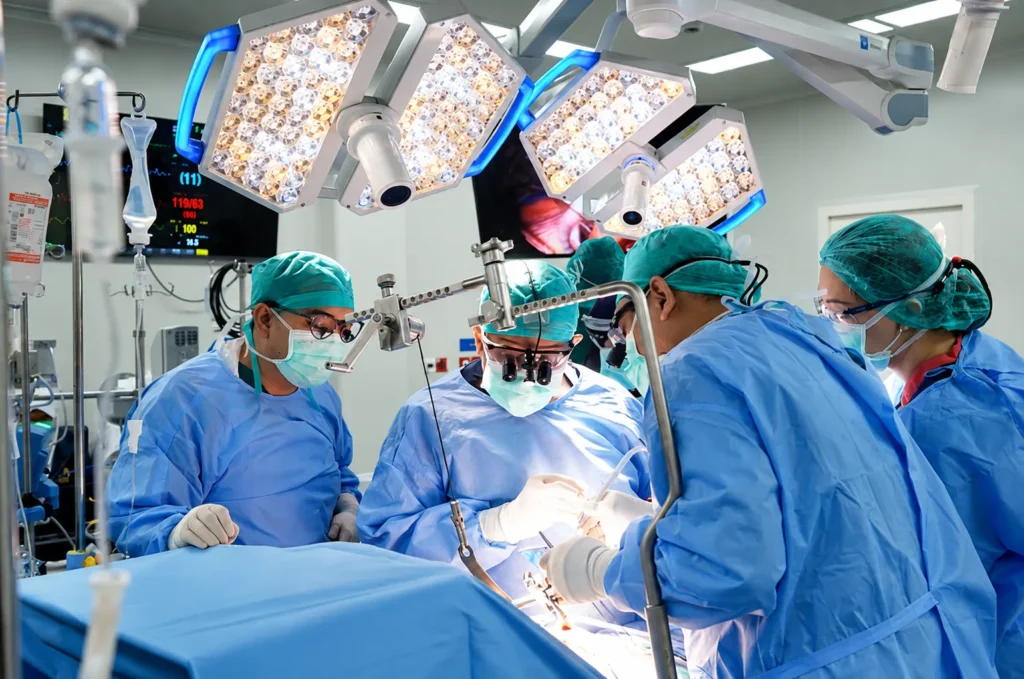
Heartology treats ASD with a non-surgical intervention using a zero-fluoroscopy technique: echocardiography guides the procedure so X-ray exposure can be avoided, especially for babies, children, and pregnant women.
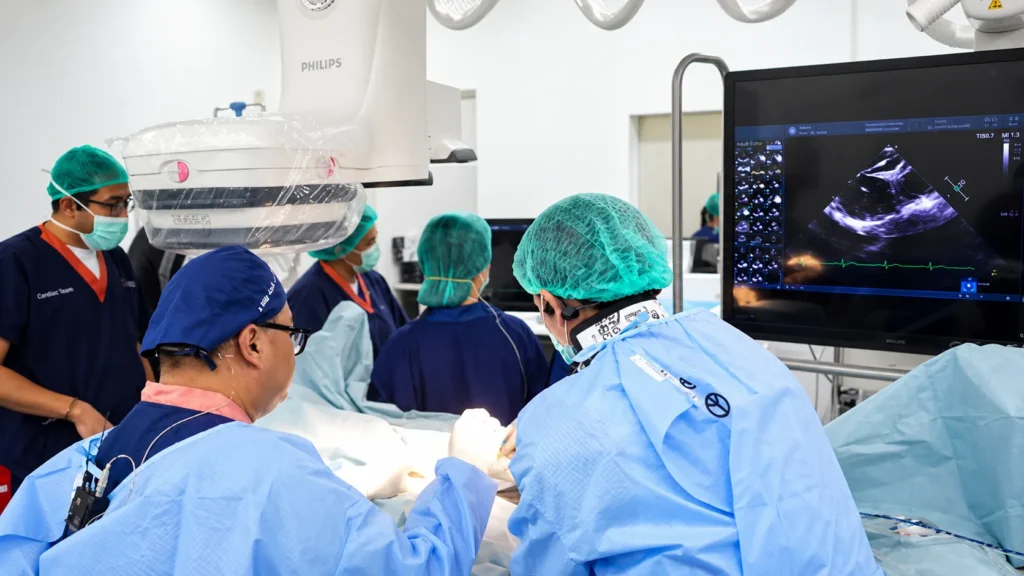
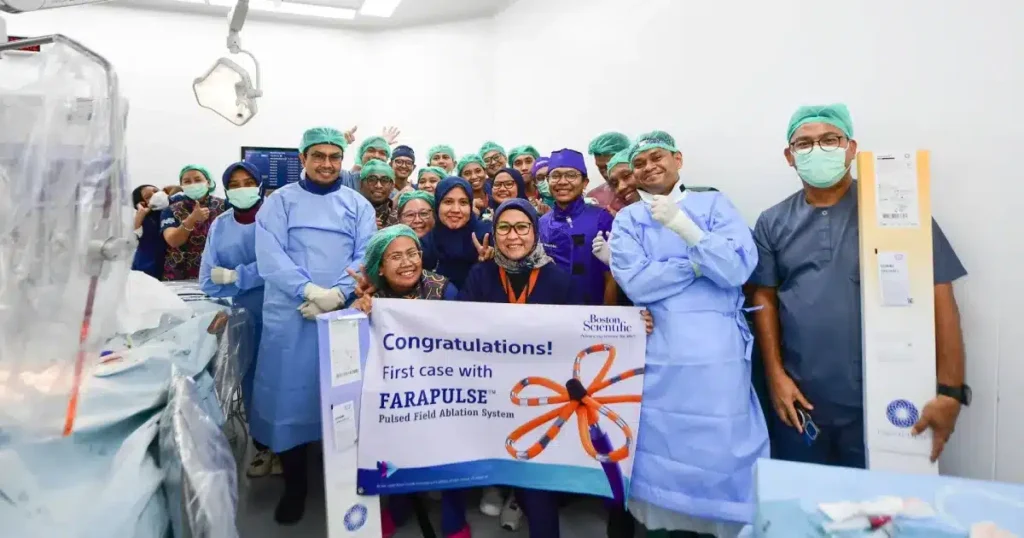
Jakarta, 10 February 2026. Heartology Cardiovascular Hospital treats atrial septal defect (ASD), a hole in the wall between the two upper chambers of the heart, with a non-surgical intervention using a zero-fluoroscopy technique. With this technique, echocardiography is the main guide during the procedure, so X-ray exposure (fluoroscopy) can be avoided.
Why Avoiding Radiation Matters
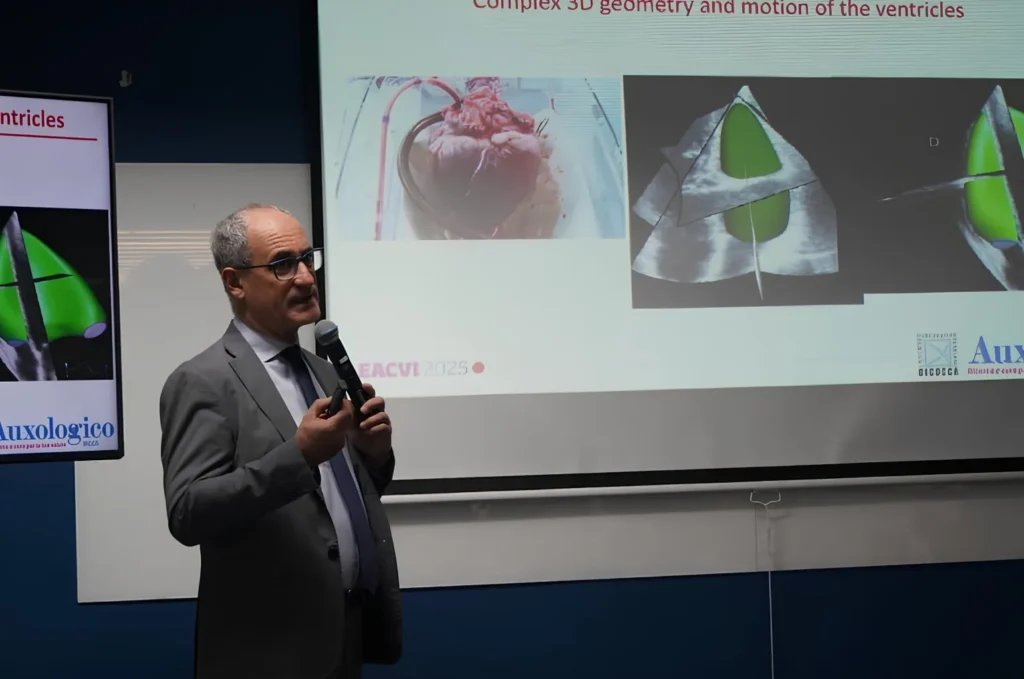
Catheter-based ASD closure is usually guided by fluoroscopy. According to dr. Radityo Prakoso, Sp.JP(K), a cardiologist with a paediatric cardiology subspecialty at Heartology, avoiding radiation matters especially for babies, children, pregnant women, and health workers involved in repeated procedures, while echocardiographic guidance keeps device placement accurate. Whether the technique suits a patient is decided by the doctor after an evaluation.
Congenital Heart Disease in Indonesia
dr. Radityo noted that of around 5 million births a year in Indonesia, an estimated 50,000 babies are born with congenital heart disease, about 8,500 of them with secundum ASD. Symptoms are often non-specific, so parents may notice them late.
Parents should watch for blue skin, lips, or nails; tiring easily or breathlessness, especially while feeding; difficulty finishing feeds; poor weight gain; or swelling in the legs, abdomen, or around the eyes. A history of premature birth also deserves attention. If you notice these signs, have your child checked by a doctor.
Media Coverage (in Indonesian)
- Suara: Zero-Fluoroscopy, Solusi Minim Risiko Tangani Penyakit Jantung Bawaan Anak hingga Dewasa
- Warta Kota: Zero-Fluoroscopy, Tangani Penyakit Jantung Bawaan Anak hingga Dewasa Tanpa Radiasi
- Media Indonesia: Zero-Fluoroscopy, Tangani Penyakit Jantung Bawaan Anak sampai Dewasa tanpa Radiasi
- Bisnis.com: Gejala Penyakit Jantung Bawaan pada Anak, Jangan Diabaikan
- Tempo: Tidak Semua Penyakit Jantung Bawaan Ada Tanda Sejak Lahir
Services in This Story
Congenital and Structural Heart Center
The Congenital and Structural Heart Center treats structural heart problems present from birth or found in adulthood, such as holes in the heart wall, a blood vessel that stays open after birth, and narrowed vessels or valves.
Explore Congenital and Structural Heart CenterDoctors mentioned in the story
- dr. Radityo Prakoso, Sp.JP(K)Cardiology and Vascular Medicine · Pediatrics & Congenital Heart DiseaseView Doctor Profile