Skip to content

Center of Excellence

Congenital and Structural Heart Center

Congenital and Structural Heart Disease Center

The Congenital and Structural Heart Center treats structural heart problems present from birth or found in adulthood, such as holes in the heart wall, a blood vessel that stays open after birth, and narrowed vessels or valves.

Indonesian edition updated October 19, 2026

Meet the Doctors

Scope of care

Care for Congenital and Structural Heart Conditions in Children and Adults

The Congenital and Structural Heart Center at Heartology Cardiovascular Hospital treats heart defects in children and adults, such as holes in the heart wall (ASD, VSD), patent ductus arteriosus, patent foramen ovale, tetralogy of Fallot, and coarctation of the aorta. It serves families of children with a congenital heart defect and adults newly diagnosed with one.

Pediatric Cardiology for Congenital Heart Disease

Heart evaluation for babies and children suspected of having a congenital defect, from a heart murmur and fast breathing to bluish skin. It includes monitoring growth and development as they relate to the heart condition.

Catheter-Based Defect Closure

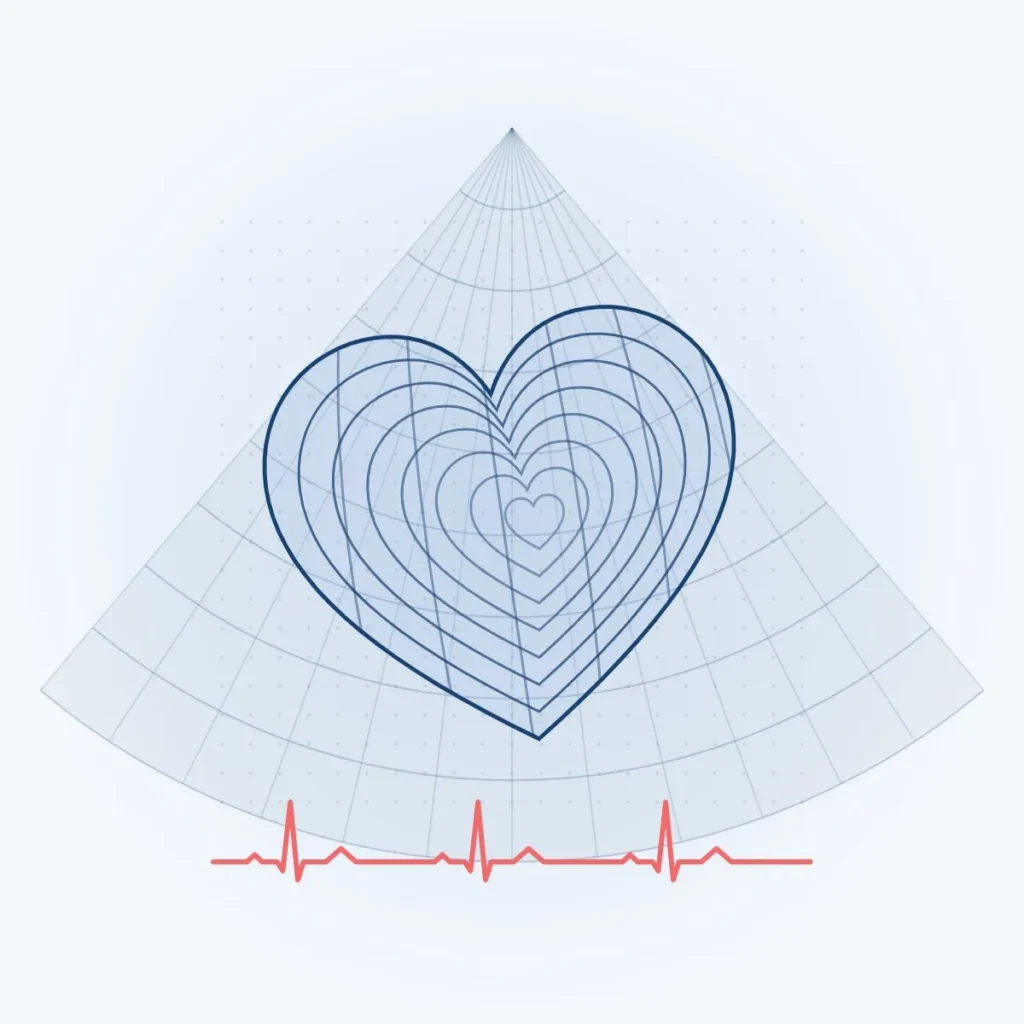
Closing a hole in the heart wall or a vessel that stays open, using an occluder device inserted through a blood vessel. It is done when the size and position of the defect allow, without opening the chest.

Patent Foramen Ovale (PFO) Closure

Closing a small opening between the two upper heart chambers by catheter. It is considered for selected patients who have had a stroke with no other clear cause, after a thorough assessment.

Adult Structural Heart Interventions

Catheter procedures for structural heart problems in adults, such as closing a newly found defect or left atrial appendage closure. Eligibility is determined from imaging results and overall health.

Corrective Congenital Heart Surgery

Surgery to repair congenital defects that cannot be treated by catheter, such as tetralogy of Fallot or large defects. The surgical plan is prepared together with cardiothoracic surgeons.

Hybrid Structural and Congenital Procedures

Combining catheter and surgical techniques in one plan for selected complex cases. This option is discussed when a single approach is not enough.

Center profile

About This Center

Some heart defects are present from birth, such as a hole in the wall between the heart chambers, a fetal blood vessel that does not close, or a narrowed pulmonary valve. Some are noticed in infancy because of fast breathing, difficulty feeding, or poor weight gain, while others are found only in adulthood during a routine check-up or after a stroke. The Congenital and Structural Heart Center at Heartology Cardiovascular Hospital sees children and adults with these structural heart problems, including adults who had surgery as children and need continued follow-up.

Read more

Conditions we treat include atrial septal defect (ASD), ventricular septal defect (VSD), patent ductus arteriosus (PDA), patent foramen ovale (PFO), pulmonary valve stenosis and regurgitation, coarctation of the aorta, tetralogy of Fallot, Ebstein anomaly, and pulmonary hypertension related to congenital defects. The center also assesses structural problems in adults, such as the need for left atrial appendage closure in selected patients with atrial fibrillation who have difficulty taking blood thinners.

The first step is to map the defect with echocardiography, followed when needed by a cardiac CT scan or cardiac catheterization to measure pressure and blood flow in the lungs. Cardiologists, pediatricians, and cardiothoracic surgeons then discuss whether the defect can simply be monitored, closed with an occluder device delivered by catheter, or corrected with surgery. In some cases, both approaches are combined in a hybrid procedure. The child's age and weight, the size and position of the defect, and the family's considerations all shape the decision.

After catheter closure, patients usually have a short hospital stay and return for echocardiography to confirm the device is in place. Recovery after corrective surgery takes longer and begins in intensive care. Many congenital defects need monitoring into adulthood, so the team sets up a long-term follow-up schedule and explains to parents what to watch for at home, including activity, school, and warning signs that need prompt attention.

Approach to care

What Sets Our Care Apart

  • One Team for Childhood and Adult Care

    Congenital heart defects often need monitoring for many years. Patients treated as children can continue follow-up in the same place as adults, so their earlier tests and procedures are easy to trace.

  • Anatomy Guides the Choice of Catheter or Surgery

    The team assesses the size, position, and edges of the defect before choosing a treatment. When the anatomy allows, catheter closure can avoid open surgery, and when it does not, corrective surgery is planned with the surgical team.

  • Cardiologists and Pediatricians Work Together

    For children, cardiologists work alongside pediatricians. This way, nutrition, infections, immunizations, and growth are taken into account when deciding the timing of a procedure.

  • Families Involved in Every Decision

    Parents receive clear explanations of the diagnosis, treatment options, and preparation for procedures in plain language. Time is set aside for questions before the family gives consent.

Center Highlights

  • Care for children and adults with congenital heart defects
  • Catheter closure of ASD, VSD, PDA, and PFO for suitable cases
  • Catheter closure and corrective surgery are discussed by one team
  • Cardiologists work alongside pediatricians
  • Long-term follow-up from childhood into adulthood

Center team

Meet the Doctors Who Provide Care.

See each doctor's clinical focus and practice schedule on their profile. Listed by name, not by ranking.

dr. BRM Ario S. Kuncoro, Sp.JP(K)

Echocardiography & Cardiovascular Imaging

Cardiovascular Diagnostic Center +2 centers

Clinical focusAdvanced and 3D Echocardiography · Transesophageal Echocardiography

View Profile

Dr. med. dr. Denio A. Ridjab, Sp.JP(K)

Interventional Cardiology

Coronary Intervention Procedures +2 centers

Clinical focusInterventional Cardiology · Coronary Artery Disease

View Profile

dr. Radityo Prakoso, Sp.JP(K)

Pediatrics & Congenital Heart Disease

Congenital and Structural Heart Center

Clinical focusPediatric Cardiology Consultation · Congenital Heart Disease Care

View Profile

dr. Salomo Purba, Sp.BTKV, Subsp.JPK(K)

Pediatric and Congenital Heart Surgery

Congenital and Structural Heart Center +2 centers

Clinical focusPediatric Heart Surgery · Congenital Heart Defect Surgery

View Profile

dr. Sharfina F. A. Hidayat, Sp.A, Subsp.ETIA(K)

Pediatric Emergency and Intensive Care

Congenital and Structural Heart Center

Clinical focusPediatric Emergency and Intensive Care · Pediatric Emergencies

View Profile

dr. Tartila, Sp.A, Subsp.ETIA(K)

Pediatric Emergency and Intensive Care

Congenital and Structural Heart Center

Clinical focusPediatric Intensive Care · Pediatric Emergency Care

View Profile

Supporting care

Technology with a Clear Role.

Tests and technology are used according to need, not as the same package for every patient.

Catheterization Laboratory (Cath Lab)

A dedicated procedure room for cardiac catheterization, coronary angiography, stent placement, and other catheter-based heart procedures. It is equipped with an X-ray angiography…

4D Echocardiography

An ultrasound scan of the heart that records three-dimensional images in real time to assess pumping function, the valves, and heart structure. It helps your doctor diagnose and…

CT Scan 512 Slices

A CT scanner that produces up to 512 image slices in a single rotation to show the coronary arteries, calcium in the artery walls, the aorta, and heart structures. The scan uses…

Operating Theatre (Cardiac Operating Room)

An operating room dedicated to heart and blood vessel surgery, where the surgical, anesthesia, perfusion, and nursing teams work together. It is equipped with anesthesia machines…

Learn more

Related Conditions and Procedures.

Get to know the terms and services that may come up during a consultation. This information is educational, not a diagnosis.

Frequently Asked Questions

Here are questions parents and adult patients often ask about congenital and structural heart conditions.

When should my child see a heart doctor?

Have your child checked if a doctor hears a heart murmur, or if your child breathes fast, sweats and tires easily while feeding or playing, gains weight slowly, has frequent chest infections, or has bluish lips and nails. Worsening blueness, severe breathlessness, or a child who looks limp needs emergency care right away. A heart check after birth is also advised if a defect was already suspected on a pregnancy ultrasound.

What tests are done at the first visit?

The doctor will ask about symptoms, the pregnancy and birth history for children, and family health history. After a physical examination and an oxygen level check, the main test is usually an echocardiogram to see the position and size of the defect. If needed, the doctor may recommend an ECG, chest X-ray, cardiac CT scan, or cardiac catheterization to measure lung pressures before deciding on treatment.

What should I prepare before the consultation?

Bring previous test results such as echocardiograms, ECGs, chest X-rays, or surgery reports, along with image recordings if available. For children, also bring the maternal and child health (KIA) book that records weight and immunizations. Prepare a list of current medicines and write down the questions you want to ask so nothing is missed during the consultation.

Do all holes in the heart need to be closed?

Not all. Some small holes, especially in babies, can close on their own as the child grows and only need monitoring. Closure is considered when a hole is large enough to strain the heart or lungs, or when it causes symptoms. When the anatomy allows, closure can be done with an occluder device by catheter, and otherwise with surgery. The decision is made after complete tests and a discussion with the family.

What is recovery like after catheter closure or surgery?

The hospital stay after catheter closure is usually short, and light activity can resume within a few days as advised by the doctor. Recovery after corrective surgery takes longer because the wound needs to heal and the patient is first monitored in intensive care. In both cases, follow-up echocardiograms are scheduled, and the doctor will explain when a child can return to school or sports.

Can adults have congenital heart defects too?

Yes. Some defects, such as atrial septal defect or patent foramen ovale, often cause no symptoms in childhood and are found only in adulthood, for example because of breathlessness, palpitations, or a stroke. Adults who had heart surgery as children also need regular check-ups. The assessment follows the same steps as for children: mapping the defect, then deciding whether to monitor it, close it by catheter, or repair it surgically.

For referring doctors

Coordinate Your Patient's Care.

Contact our team for service information and referral coordination to this center.

Contact Our Team

The first step is understanding the defect clearly.

Get Advice on Congenital Heart Defects in Children and Adults

If your child or you have been diagnosed with a congenital heart defect, an initial consultation can help you understand the type of defect and the treatment options. Bring previous test results so the doctor can assess how the condition has changed.

View Checkup Packages

The information on this page is for educational purposes and does not replace medical consultation, diagnosis, or treatment. For any health concerns, please consult a doctor directly.

Back to All Centers
Congenital and Structural Heart CenterPlan a consultation
Book