Heartology Begins Using Pulsed Field Ablation (PFA) to Treat Atrial Fibrillation
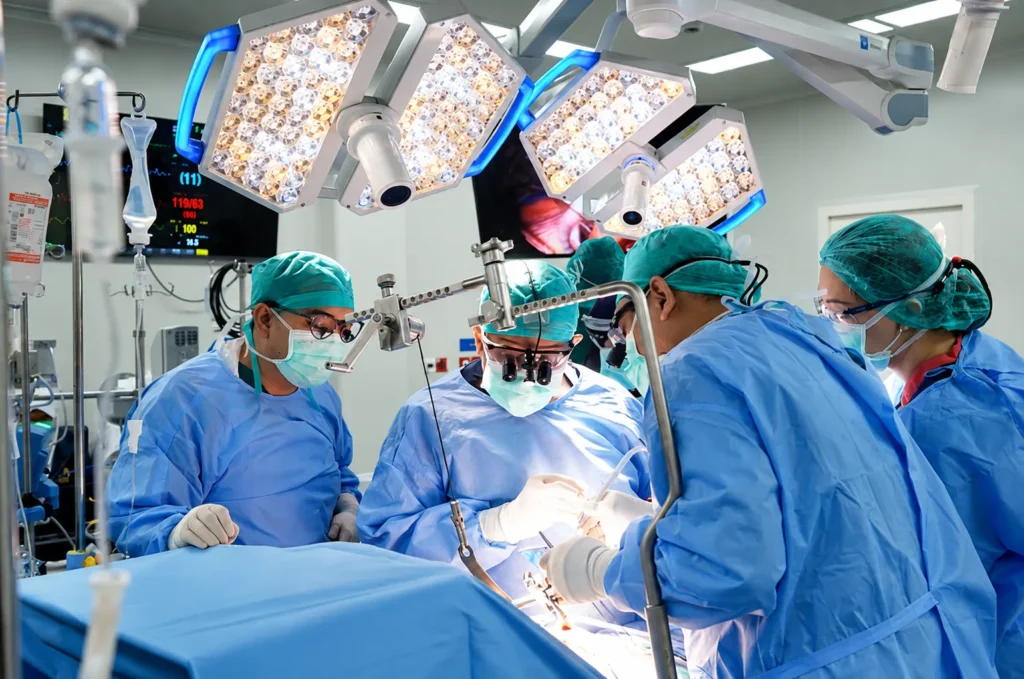
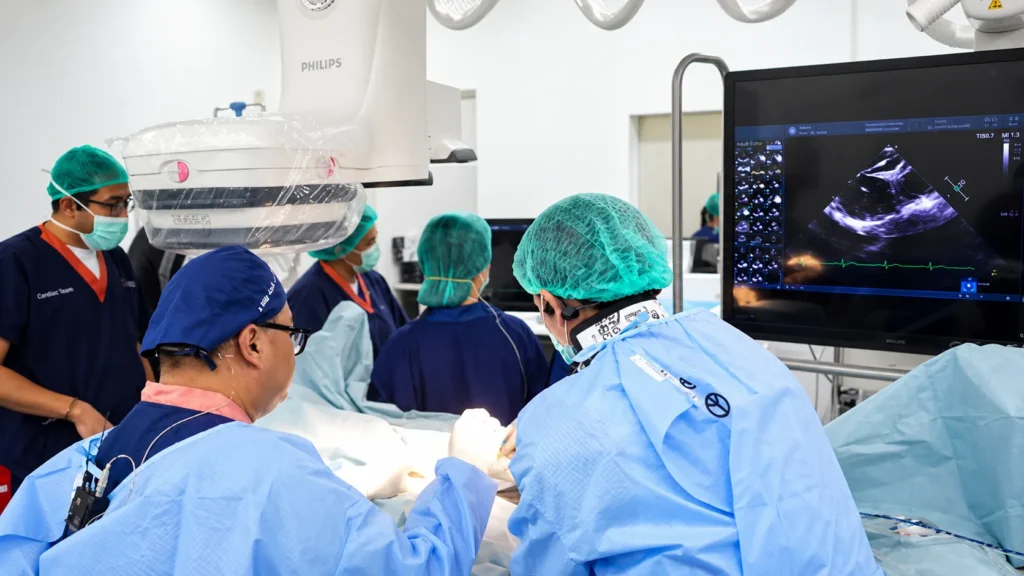
Heartology Cardiovascular Hospital has begun using pulsed field ablation (PFA) to treat atrial fibrillation. The first PFA procedure at Heartology was performed on 27 December 2024 for a patient referred from West Sumatra.
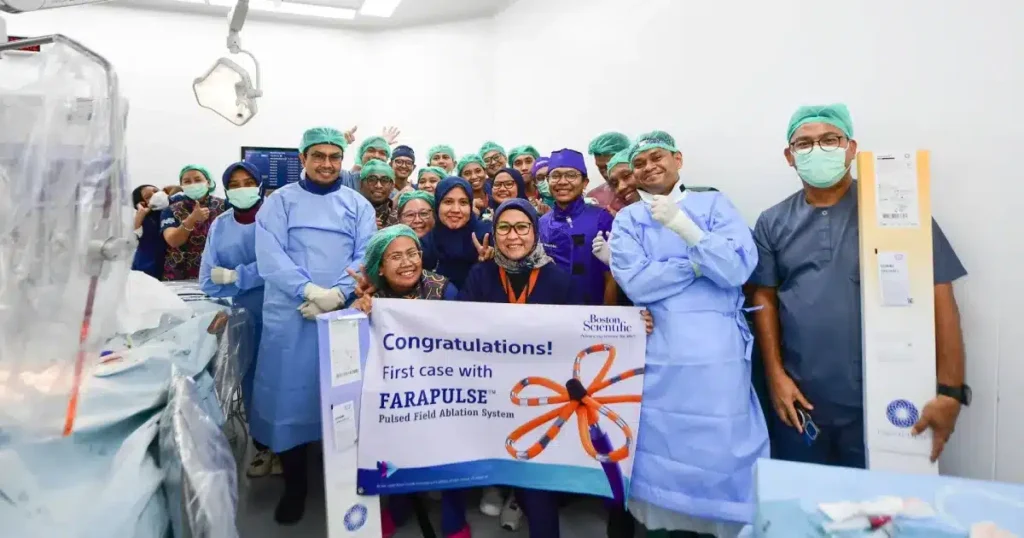
Jakarta, 28 December 2024. Heartology Cardiovascular Hospital has begun using pulsed field ablation (PFA) to treat atrial fibrillation. The first PFA procedure at Heartology was performed by the Heartology arrhythmia team on 27 December 2024.
Understanding Atrial Fibrillation
Heart disease is one of the leading causes of death in Indonesia. Besides coronary heart disease, heart rhythm disorders (arrhythmias) also play a major role, and the most common arrhythmia is atrial fibrillation (AF). More than three million people in Indonesia are estimated to live with AF, and it becomes more common with age.
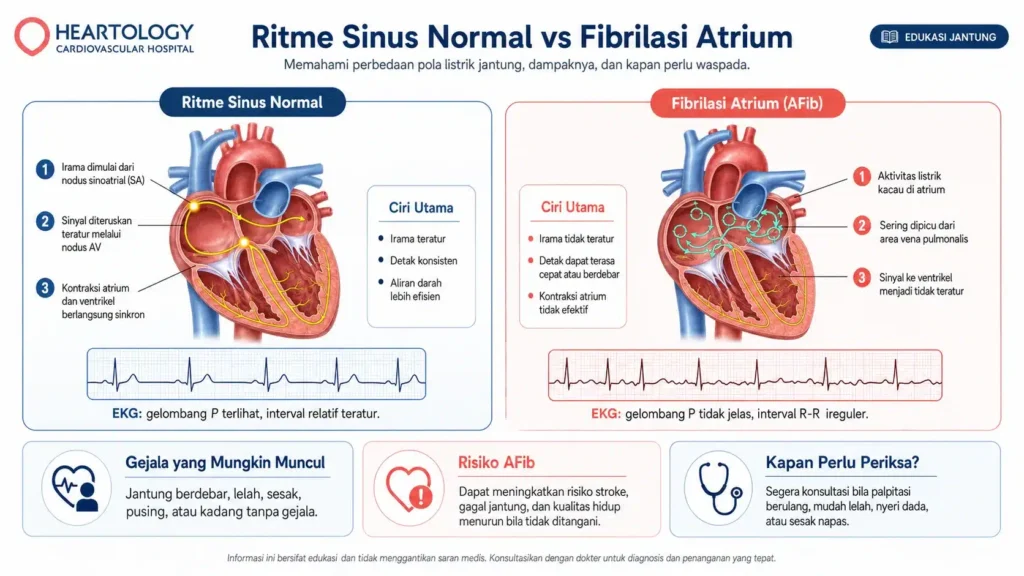
AF is a condition in which the upper chambers of the heart (atria) beat very fast and irregularly. At rest, a normal heart beats about 60 to 100 times per minute, while in AF the atria can beat more than 400 times per minute. This raises the risk of blood clots that can cause a stroke: people with AF have about four to five times the stroke risk of people without AF. A very fast, irregular heartbeat can also weaken the heart’s pumping function.
Treatment Options and How PFA Works
AF treatment includes medication, risk factor control, stroke prevention as assessed by the doctor, and catheter ablation. For patients whose symptoms persist despite medication, catheter ablation may be considered to control the heart rhythm and ease symptoms. The decision is made together with the doctor after an evaluation.
Catheter ablation is a minimally invasive, non-surgical procedure. A catheter is guided through a blood vessel in the groin to the heart to find and switch off the source of the arrhythmia. Ablation can use heat (radiofrequency), cold (cryo), or non-thermal energy.
PFA is a form of non-thermal ablation. It uses a series of very short electrical pulses to open pores in the membranes of the targeted cells (electroporation). Because it is designed to act more selectively on heart muscle tissue, the surrounding tissue is relatively better protected. As with any procedure, whether PFA suits a patient is decided by the doctor after an evaluation.
The First PFA Procedure at Heartology
The first PFA procedure at Heartology was performed on a patient referred from West Sumatra who had lived with AF for a long time, mainly with palpitations, chest discomfort, and tiredness. The patient had been treated for AF in their home region for several years, but the arrhythmia was not under control, so their doctor referred them to Heartology for further care.
According to dr. Sunu Budhi Raharjo, Sp.JP (K), Ph.D., a cardiologist and arrhythmia consultant at Heartology, PFA adds to the options for treating atrial fibrillation, with patient comfort and safety as priorities. Treatment choices at Heartology are still tailored to each patient’s condition.
Video
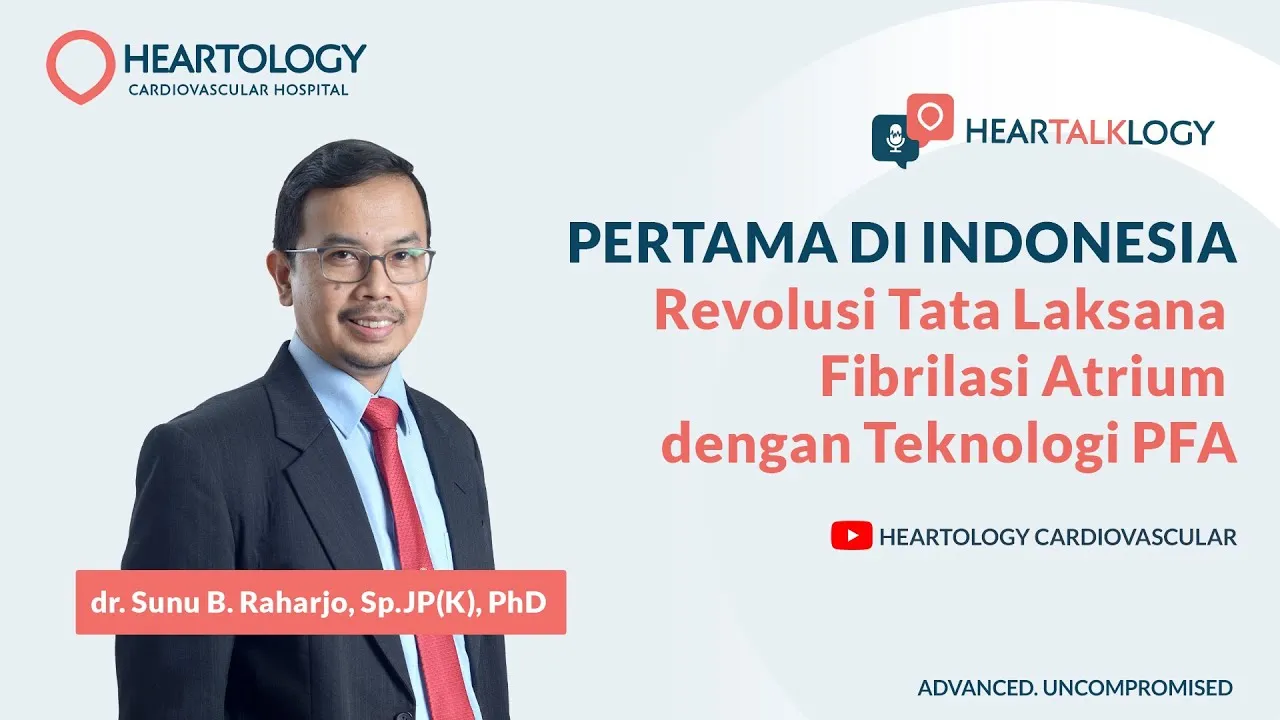
Watch on YouTube
Treating Atrial Fibrillation with PFA Technology at Heartology
Length 22 minutes 34 seconds
Services in This Story
Arrhythmia and Device Center
The Arrhythmia and Device Center at Heartology Cardiovascular Hospital treats heart rhythm disorders, from atrial fibrillation and tachycardia to bradycardia and conduction problems.
Explore Arrhythmia and Device CenterDoctors mentioned in the story
- dr. Sunu B. Raharjo, Sp.JP(K), Ph.D.Cardiology and Vascular Medicine · Arrhythmia and ElectrophysiologyView Doctor Profile
Reading to Understand the Service
Heart Wellness articles to help you understand the topic behind this story.