
Pulsed Field Ablation for Atrial Fibrillation
Ablation using pulsed electrical field energy to isolate the pulmonary veins in atrial fibrillation. Your doctor determines whether this procedure suits you after an evaluation.
Center of Excellence
Heart Rhythm and Cardiac Device Center
The Arrhythmia and Device Center at Heartology Cardiovascular Hospital treats heart rhythm disorders, from atrial fibrillation and tachycardia to bradycardia and conduction problems.
Indonesian edition updated October 19, 2026
Scope of care
The Arrhythmia and Device Center at Heartology Cardiovascular Hospital treats heart rhythm disorders such as atrial fibrillation, tachycardia, bradycardia, and fainting caused by arrhythmia. It is for people who experience palpitations, dizziness, or fainting, and for patients who need an electrophysiology study, ablation, or a device such as a pacemaker, ICD, or CRT.
Ablation using pulsed electrical field energy to isolate the pulmonary veins in atrial fibrillation. Your doctor determines whether this procedure suits you after an evaluation.
Ablation with radiofrequency energy, guided by 3D mapping, to locate and treat the source of an arrhythmia.
Implantation of conventional or leadless pacemakers based on the type of rhythm disorder and each patient's clinical needs.
Pacing delivered directly to the heart's conduction system, such as the His bundle or left bundle branch area, as an option that more closely resembles natural activation for patients expected to need long-term pacing.
Implantation of a CRT device to coordinate contraction of the left and right ventricles in selected patients with heart failure and a conduction delay.
Catheter-based LAA closure as a stroke prevention option for patients with atrial fibrillation who cannot take long-term anticoagulants.
An implantable loop recorder (ILR) placed under the skin records heart rhythm for up to several years, helping detect arrhythmias that appear only rarely.
Center profile
The Arrhythmia and Device Center is a service at Heartology Cardiovascular Hospital for people with heart rhythm disorders (arrhythmias). It is for you if you experience palpitations, a heartbeat that feels too fast or too slow, dizziness, near fainting, or fainting, and for patients already diagnosed with an arrhythmia who need a procedure or a heart device. The center sees both adult and pediatric patients.
Conditions treated include atrial fibrillation, atrial flutter, supraventricular tachycardia, Wolff-Parkinson-White syndrome, premature beats, ventricular tachycardia, bradycardia, atrioventricular block, and inherited arrhythmia syndromes such as Brugada syndrome and long QT syndrome. The center also manages arrhythmias related to heart failure and cardiomyopathy.
Evaluation begins with a consultation and rhythm testing such as an ECG, Holter monitoring, or an implantable loop recorder when symptoms are infrequent. If needed, your doctor performs an electrophysiology study to find the source of the arrhythmia. Treatment options include medication, radiofrequency ablation or pulsed field ablation guided by the EnSite X 3D mapping system and HD Grid catheter, conduction system pacing, pacemakers (including leadless pacemakers), ICDs, subcutaneous ICDs (S-ICD), and CRT, as well as left atrial appendage closure for patients with atrial fibrillation who cannot take long-term anticoagulants. Cases involving heart failure or structural heart disease are discussed with doctors from other centers before a decision is made.
Ablation and device procedures are usually performed through a blood vessel or a small incision and require a short hospital stay. Before you go home, you will receive guidance on wound care, activity limits, and medication. Patients with implanted devices have regular follow-up visits to check device function and battery life. Heartology Cardiovascular Hospital holds Paripurna accreditation from LAM-KPRS.
Approach to care
Diagnosis starts with simple tests such as an ECG and Holter monitoring, then moves to an implantable loop recorder or an electrophysiology study when needed. This way, treatment is chosen based on the arrhythmia that is actually recorded, not on symptoms alone.
Ablation in the electrophysiology lab is guided by the EnSite X mapping system and HD Grid catheter, which display the heart's electrical activity in three dimensions. The map helps your doctor locate the source of the arrhythmia and the ablation targets. Radiofrequency or pulsed field energy is chosen according to the type of arrhythmia.
The center implants conventional and leadless pacemakers, ICDs, S-ICDs, and CRT devices. The device type is chosen based on your rhythm disorder, heart pumping function, daily activities, and preferences, and is explained to you before the procedure.
Arrhythmias are often linked to heart failure, coronary artery disease, or structural heart problems. These cases are discussed with doctors from the related centers so that rhythm treatment aligns with treatment of the underlying condition.
Patients with implanted devices have regular checks of device function and battery. After ablation, follow-up visits and rhythm monitoring help assess whether the arrhythmia returns.
Center team
See each doctor's clinical focus and practice schedule on their profile. Listed by name, not by ranking.
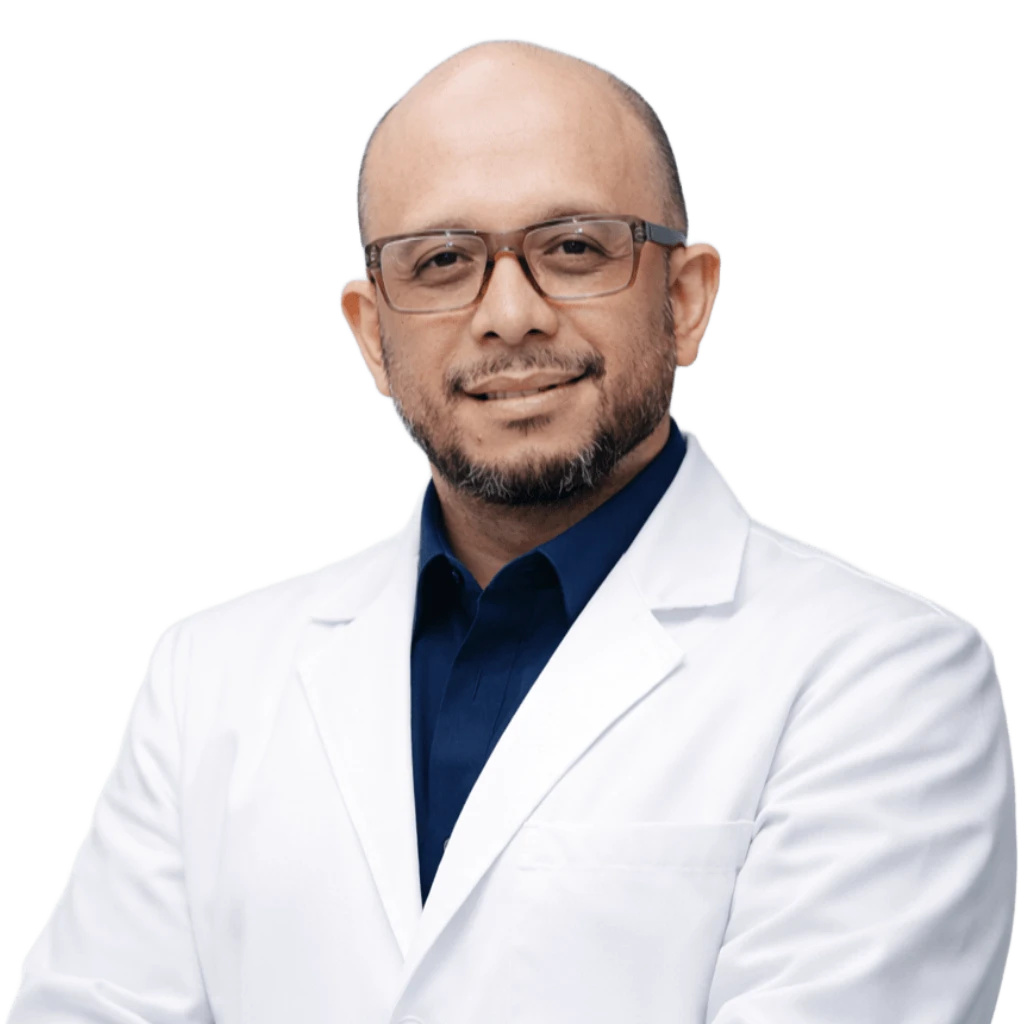
Arrhythmia and Electrophysiology
Arrhythmia and Device Center +1 center
Clinical focusElectrophysiology and Arrhythmia Ablation · Pacemaker and ICD Implantation
View Profile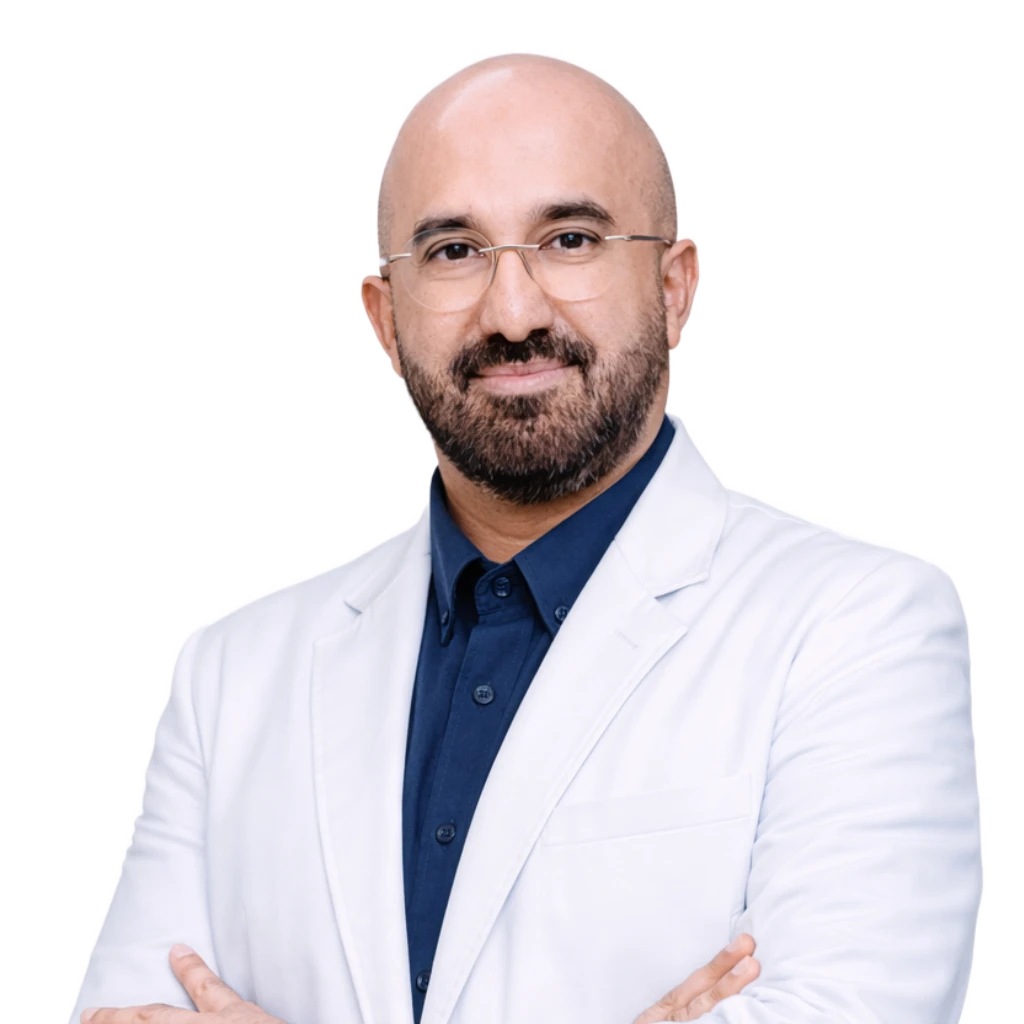
Interventional Cardiology
Coronary Intervention Procedures +1 center
Clinical focusComplex Coronary Intervention · Cardiac Electrophysiology
View Profile
Arrhythmia and Electrophysiology
Arrhythmia and Device Center
Clinical focusClinical and Interventional Electrophysiology · Cardiac Arrhythmia Ablation
View ProfileSupporting care
Tests and technology are used according to need, not as the same package for every patient.
A 3D mapping system made by Abbott that maps the shape and electrical activity of the heart chambers during electrophysiology studies and ablation. The map helps doctors find the…
A mapping catheter made by Abbott with electrodes arranged in a grid, recording the heart's electrical signals from many points at once. The data build a detailed heart map on a…
A catheter ablation system made by Boston Scientific that uses pulsed electrical fields, rather than heat or cold, to isolate the pulmonary veins in atrial fibrillation.
A dedicated procedure room for electrophysiology studies, catheter ablation, and implantation of heart rhythm devices such as pacemakers and ICDs. It is equipped with X-ray…
A small ECG recorder that you wear during daily activities to monitor your heart rhythm continuously for 24 to 48 hours or longer. It helps your doctor find heart rhythm problems…
Learn more
Get to know the terms and services that may come up during a consultation. This information is educational, not a diagnosis.
Here are answers to questions patients often ask before visiting the Arrhythmia and Device Center.
Consider a visit if you often feel palpitations, your heartbeat feels irregular, too fast, or too slow, you feel dizzy or close to fainting, or you have fainted without a clear cause. Patients already diagnosed with atrial fibrillation or living with a pacemaker can also come for further evaluation. If symptoms come with chest pain, severe shortness of breath, or repeated fainting, seek emergency care right away.
Your doctor will ask about your symptoms, medical history, and medications, then perform a physical exam and an ECG. Depending on your symptoms, your doctor may order blood tests such as electrolytes and thyroid function, an echocardiogram, or Holter monitoring for one to several days. If the arrhythmia appears rarely, an implantable loop recorder may be considered. An electrophysiology study is usually done when needed to confirm the source of the arrhythmia or as part of ablation.
Bring your ID, a list of the medications you take, and previous test results such as ECG tracings, Holter results, echocardiograms, and a referral letter if you have one. Heart rate recordings from a smartwatch or phone taken during symptoms can also help, although they still need to be confirmed with an ECG. If you have a pacemaker, ICD, or other device, bring your device ID card. Also note when your symptoms start and how long they last.
Treatment depends on the type of arrhythmia, your symptoms, and your heart condition. Some arrhythmias only need monitoring or can be managed with lifestyle changes and medication. Certain arrhythmias, such as supraventricular tachycardia or atrial fibrillation, can be treated with ablation. A heartbeat that is too slow is generally treated with a pacemaker, while patients at risk of dangerous arrhythmias may need an ICD. Your doctor recommends the right option after an evaluation and discusses it with you before any procedure.
Many patients go home within one to two days after ablation or device implantation, depending on their condition and the type of procedure. After a device with leads is implanted, arm movement on the device side is usually limited for a few weeks so the leads stay in place. After ablation, your doctor may ask you to keep taking certain medications during recovery. Your follow-up schedule and device checks will be explained before you go home.
Many patients return to daily activities after the recovery period. Phones and household appliances are generally safe to use, as long as you keep your phone away from the device site. Tell staff before passing through security scanners or undergoing certain medical tests, and show your device card. Rules for driving, exercise, and work depend on your device type and condition, so discuss them with your doctor at follow-up visits.
Contact our team for service information and referral coordination to this center.
Start by understanding your heart rhythm.
Palpitations, a heartbeat that feels too slow, or fainting without a clear cause should be checked by a doctor. Book a consultation to discuss your symptoms and the tests that suit you.
View Checkup PackagesThe information on this page is for educational purposes and does not replace medical consultation, diagnosis, or treatment. For any health concerns, please consult a doctor directly.