Heartology Implants an S-ICD in a Patient with Brugada Syndrome
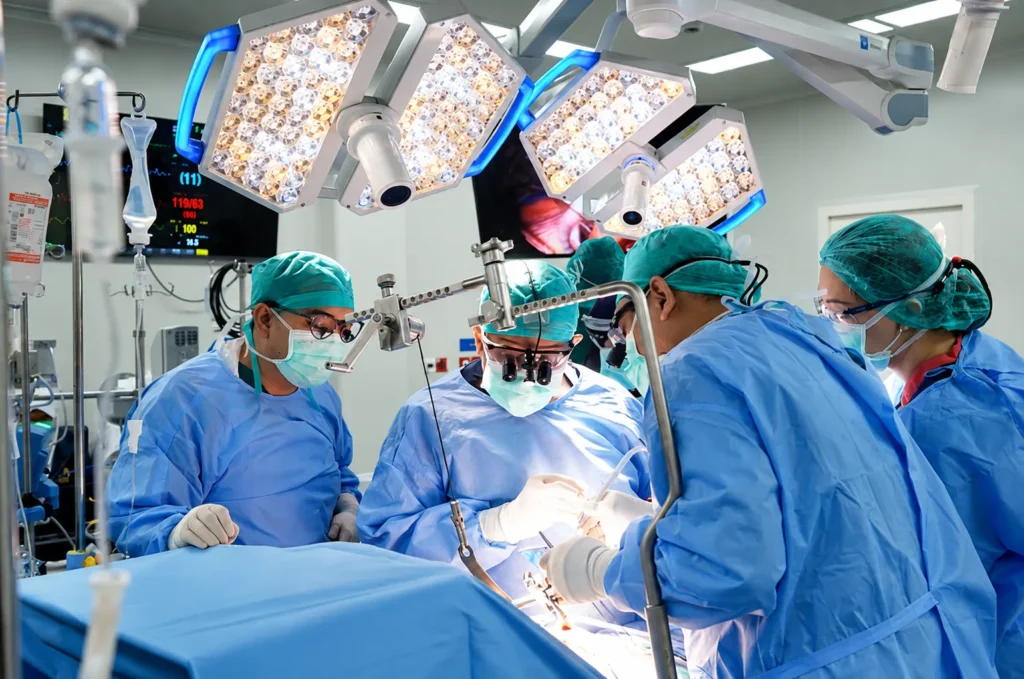
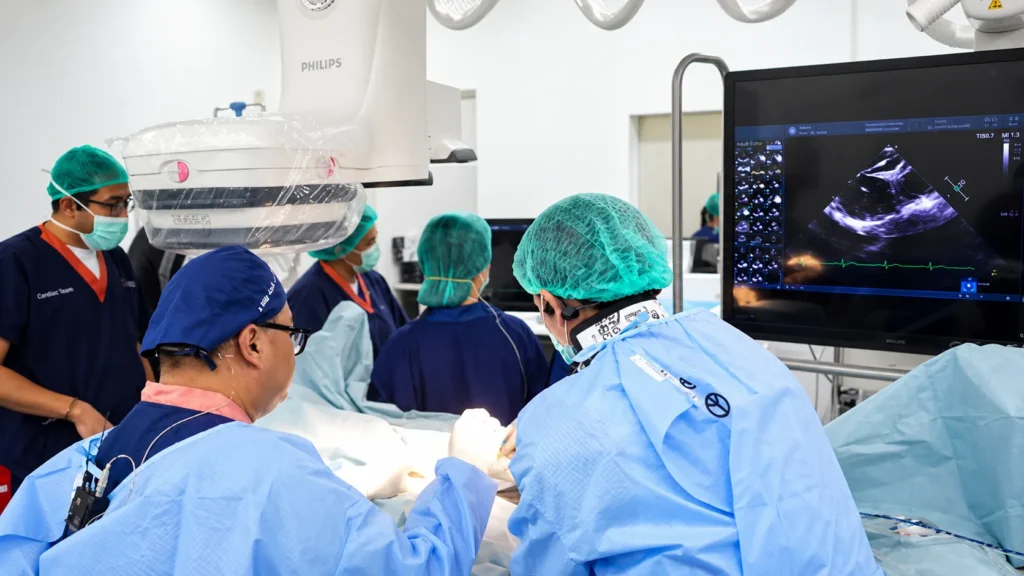
The arrhythmia team at Heartology Cardiovascular Hospital implanted an S-ICD, a defibrillator placed under the skin, in a patient with Brugada syndrome on 9 March 2024 to protect him against sudden cardiac arrest.
Jakarta, 26 March 2024. The arrhythmia team at Heartology Cardiovascular Hospital implanted a subcutaneous implantable cardioverter defibrillator (S-ICD) in a patient with Brugada syndrome on 9 March 2024. The device protects the patient against the risk of sudden cardiac arrest caused by a dangerous heart rhythm.
Brugada Syndrome and Sudden Cardiac Death
Brugada syndrome is an electrical disorder of the heart that can trigger a very fast, irregular rhythm in the lower chambers (ventricular fibrillation). It often causes no symptoms until a cardiac arrest occurs. According to dr. Sunu Budhi Raharjo, Sp.JP (K), Ph.D., a cardiologist and arrhythmia consultant at Heartology, Brugada syndrome accounts for more than 20 percent of sudden cardiac deaths in people who appear healthy, especially in Southeast Asia.
The patient was a man from Papua with relatively few symptoms. An electrocardiogram (ECG) showed a Brugada pattern, and a member of his family had died suddenly. After an evaluation, the medical team judged that he was at risk of ventricular fibrillation and needed protection with a defibrillator.
What Is an S-ICD?
An ICD (implantable cardioverter defibrillator) is a small device that monitors the heart rhythm. When the heart beats dangerously fast, it automatically delivers an electric shock to stop it. With a conventional ICD, the lead is passed through a blood vessel into the heart. With an S-ICD, the device and its lead are placed under the skin, so nothing enters the heart or the blood vessels.
dr. Sunu explained that placement under the skin can reduce certain complications and lets patients carry on with their activities with little disruption. The choice between a conventional ICD and an S-ICD is made by the doctor based on each patient’s condition, because an S-ICD does not provide long-term pacing as a conventional ICD does.
Early Detection Through Heart Checkups
Because Brugada syndrome often has no symptoms, an ECG can help detect it earlier, especially in people with a family history of sudden death at a young age or who have fainted without a clear cause. If this applies to you, talk to a cardiologist about which tests you need.
Services in This Story
Arrhythmia and Device Center
The Arrhythmia and Device Center at Heartology Cardiovascular Hospital treats heart rhythm disorders, from atrial fibrillation and tachycardia to bradycardia and conduction problems.
Explore Arrhythmia and Device CenterDoctors mentioned in the story
- dr. Sunu B. Raharjo, Sp.JP(K), Ph.D.Cardiology and Vascular Medicine · Arrhythmia and ElectrophysiologyView Doctor Profile
Reading to Understand the Service
Heart Wellness articles to help you understand the topic behind this story.