Quick answer
How to get rid of varicose veins in the legs depends on how severe they are. In the early stages, regular exercise, leg elevation, weight management, and compression stockings can reduce complaints, but they do not remove veins that have already widened. To close the affected veins, a doctor may recommend sclerotherapy, endovenous laser treatment (EVLT), or radiofrequency ablation after a Doppler ultrasound examination.
Learn about the causes of varicose veins, the treatment methods available, and how the right treatment can improve your quality of life.
Many people come in with the same complaints: legs that feel heavy after a full day of activity, bluish blood vessels that become more and more visible, and a lack of confidence when wearing a skirt or shorts. In Indonesia, this condition is very common, especially among women and people who stand or sit for long periods. That is why searching for how to get rid of varicose veins in the legs usually stems from two things at once: the wish to improve appearance and concern about the effects on health.
Medically, varicose veins occur when the valves in the veins weaken, so blood does not flow back to the heart optimally and instead pools in the legs. This condition is a form of chronic venous disease that can progress slowly and cause complaints such as aching, swelling, and even skin changes if left untreated. Even so, it is important to know that varicose veins can be managed and treated with the right approach, from lifestyle changes and compression therapy to minimally invasive medical procedures that are now increasingly comfortable and allow a faster recovery.
Through this guide, you will gain a thorough understanding of how to get rid of varicose veins in the legs: what you can do naturally at home, the medical treatment options available, and the signs that it is time to consult a doctor. The goal is not only to reduce your complaints, but also to help you move more lightly, with more confidence and peace of mind, knowing that the health of your blood vessels is on the right track.
What Are Varicose Veins?
Varicose veins are a condition in which veins become widened, twisted, and visibly bulging under the skin, most often in the legs. Varicose veins are not only a matter of appearance; they also reflect impaired return of blood to the heart due to weakened vein valves. As a result, blood pools in the vessels, pressure increases, and the veins gradually change shape.
Varicose veins are part of the spectrum of chronic venous disease, which develops gradually and can cause complaints such as heaviness, pain, swelling, and even cramps in the legs. This condition is very common, especially in adults with certain risk factors.
How Do Varicose Veins Develop?
To understand varicose veins more deeply, it is important to know how veins work.
Inside the veins are one-way valves that keep blood flowing toward the heart. However, when these valves weaken or do not close completely:
- Blood flows back down (venous reflux)
- Blood builds up in the vessels
- Pressure increases
- The vein walls widen and look twisted
As a result, varicose veins appear that are visible from the outside while also causing symptoms from within.
In addition, because the legs are the lowest part of the body, the veins there have to work harder against gravity. That is why varicose veins most often appear in the legs.
Varicose Veins vs. Spider Veins: Are They the Same?
Although they are often thought to be similar, they are two different conditions.
Varicose Veins
- Large and bulging
- Dark blue or purple in color
- Can cause symptoms (pain, aching, swelling)
Spider Veins
- Very small and fine
- Look like a spider’s web
- Generally cosmetic and cause no complaints
Understanding this difference is important, because the treatment approaches are not always the same.
How Common Are Varicose Veins?
In fact, varicose veins are one of the most common blood vessel disorders in the world. Global epidemiological data show that around 20 to 30% of adults have varicose veins of varying severity.
This means that if you are asking what varicose veins are, the answer is not just visible blood vessels, but a very common, progressive medical condition that can affect quality of life if it is not treated properly.
In addition, varicose veins rarely appear without a trigger. Next, understanding their causes and risk factors will help you see why this condition occurs and how to prevent it early.
Causes and Risk Factors of Varicose Veins
Understanding the causes of varicose veins in the legs is an important step in keeping this condition from getting worse. Varicose veins do not appear suddenly. There is a long process involving weakening of the vein valves, increased pressure within the blood vessels, and lifestyle and hormonal factors. That is why recognizing the risk factors early can help you make better decisions to keep your legs and blood vessels healthy.
Varicose veins are a multifactorial condition influenced by a combination of inherited factors and factors that can be modified.
Genetic Factors: A Risk That Runs in Families
First, heredity plays a big role. If your parents or siblings have varicose veins, your risk increases.
This happens because:
- The structure of the vein walls tends to be genetically weaker
- The vein valves are more prone to malfunction
However, a genetic factor does not mean the condition cannot be prevented. An active lifestyle can still slow the progression of varicose veins.
Standing or Sitting Too Long: The Main Enemy of Circulation
Next, the habit of standing or sitting for too long keeps the calf muscles from working optimally.
As a result:
- Blood flow from the legs to the heart slows down
- Pressure inside the veins increases
- The vein valves become damaged more quickly
That is why this habit is one of the most common causes of varicose veins in the legs among office workers as well as people whose jobs require long hours of standing.
Pregnancy: Major Changes in the Circulatory System
During pregnancy, the body goes through an increase in blood volume and hormonal changes.
In addition:
- The hormone progesterone makes the vein walls more relaxed
- The growing uterus presses on the veins in the pelvic area
As a consequence, the return of blood from the legs becomes slower.
Excess Weight: Extra Pressure on the Leg Veins
Excess body weight increases the workload on the blood vessels in the legs.
The result:
- Vein pressure increases
- The risk of vessel widening grows
- Blood circulation becomes less efficient
In fact, obesity is often linked to low physical activity, which further worsens the condition of the veins.
Aging: A Natural Process That Cannot Be Avoided
As we age:
- Blood vessel elasticity decreases
- The vein valves undergo natural degeneration
So, the veins’ ability to move blood against gravity is no longer as good as when we were young.
Being Female: A Strong Hormonal Influence
Besides age, sex also plays a role. Women are at higher risk of developing varicose veins.
This is related to:
- The influence of the hormones estrogen and progesterone
- Pregnancy
- The use of hormonal contraceptives
In addition, hormonal changes throughout a woman’s life also affect the strength of the vein walls.
Lack of Physical Activity: The Calf Muscle Pump Is Not Optimal
Finally, a lack of movement keeps the natural “pump” mechanism in the legs from working at full capacity.
In fact, every step you take while walking helps:
- Push blood back to the heart
- Lower vein pressure
- Maintain vein valve function
That is why a sedentary lifestyle is a risk factor that often goes unnoticed.
Why Is It Important to Recognize Risk Factors Early?
Knowing the causes of varicose veins in the legs gives you the opportunity to take preventive steps early.
It not only helps slow the progression of the disease, but also:
- Reduces the risk of complications
- Helps you decide when to consult a doctor
- Provides a basis for choosing the right therapy
Next, once you understand the risk factors, it will be easier to recognize whether any of your daily habits are triggers for varicose veins.
Varicose Vein Symptoms That Are Often Ignored
Many people only start looking for ways to get rid of varicose veins in the legs once the blood vessels are clearly visible and affect their appearance. In fact, the body usually sends signals much earlier. Understanding the often ignored symptoms of varicose veins helps you take action sooner, before the condition becomes more serious.
Varicose veins are not just a cosmetic problem. The complaints that arise are directly related to impaired return of blood in the leg veins and can affect everyday quality of life.
Bulging, Bluish Purple Blood Vessels
This is the easiest symptom to recognize. The blood vessels look:
- Twisted
- Raised above the skin surface
- Dark blue or purple
However, these visual changes usually indicate that the pressure in the veins has been present for quite some time.
Heavy, Aching Legs
Next, many patients complain that their legs feel heavy, especially:
- After standing for a long time
- Toward the late afternoon or evening
In fact, this sensation occurs because blood is held in the lower legs, so circulation back to the heart is not optimal.
Swelling Around the Ankles
Swelling occurs when vein pressure rises and fluid seeps into the surrounding tissue. It usually:
- Appears in the afternoon
- Goes down after the legs are elevated
That is why recurring swelling should not be dismissed as ordinary tiredness.
A Burning or Throbbing Sensation
In addition, some people feel:
- A burning sensation
- Throbbing
- Discomfort when standing for a long time
This is related to mild inflammation around the widened veins.
Leg Cramps at Night
Night cramps are often mistaken for not drinking enough or muscle fatigue. In varicose veins, however, this condition is related to:
- Suboptimal return of blood flow
- Increased vein pressure during rest
As a result, sleep quality can also be disrupted.
Skin Color Changes Around the Ankles
As a final point, an often overlooked symptom is skin that changes color and becomes:
- Darker
- Brownish
- Dry or itchy
According to the vascular clinical literature, this is a sign that chronic vein pressure has begun to affect the skin tissue.
Why Should These Symptoms Not Be Ignored?
Indeed, not all symptoms appear at the same time. However, the more signs you notice, the more likely it is that a progressive venous circulation disorder has developed.
So, recognizing symptoms early not only helps you find the right way to get rid of varicose veins in your legs, but also prevents long-term complications. The next section answers an important question: are varicose veins dangerous if left untreated?
Are Varicose Veins Dangerous If Left Untreated?
Many people look for ways to get rid of varicose veins in the legs for cosmetic reasons. Medically, however, varicose veins are not just a cosmetic problem. This condition indicates impaired return of blood in the leg veins which, if it persists, can develop into chronic venous disease and affect quality of life.
Increased pressure in the veins due to weakened valves can trigger gradual changes in the skin, tissue, and blood circulation. That is why understanding the risks early helps us decide when self-care is enough and when a medical evaluation is needed.
Risks of Varicose Veins If Left Untreated
1. Wounds That Are Slow to Heal (Venous Ulcers)
First, poor blood flow leaves the tissue short of oxygen and nutrients.
As a consequence:
- Small wounds around the ankle take a long time to heal
- The skin becomes thinner and more prone to infection
This condition often develops slowly, so it is frequently ignored.
2. Bleeding From Bulging Blood Vessels
In addition, varicose veins that lie close to the skin surface are more easily injured. Even a minor bump can cause:
- Bleeding that looks heavy
- Difficulty stopping the bleeding without proper treatment
3. Chronic Circulation Problems
Next, continuously rising vein pressure can develop into chronic venous insufficiency, a condition in which:
- Swelling occurs more often and becomes persistent
- The skin around the ankles darkens and thickens
- The legs feel increasingly heavy during activity
In fact, at this stage the complaints are no longer about appearance, but about the overall function of the legs.
When Should You Get Checked?
You should consider having your blood vessels checked if you experience:
- Swelling that does not improve with rest
- Pain or heaviness that interferes with your activities
- Skin color changes around the ankles
- Wounds that are slow to heal
Examinations such as vascular Doppler ultrasound help the doctor assess the direction of blood flow and the function of the vein valves so that therapy can be tailored to you personally.
Early detection and treatment can help prevent complications and improve symptoms.
Why Is There No Need to Wait Until It Gets Severe?
In fact, not all varicose veins need immediate medical treatment. However, knowing the condition of your blood vessels early gives you the opportunity to:
- Control symptoms with conservative therapy
- Prevent the condition from getting worse
- Choose the method most suited to your needs
In other words, understanding the risks is an important step before deciding on a safe and effective way to get rid of varicose veins in the legs.
How to Get Rid of Varicose Veins in the Legs Naturally
Many people look for natural ways to get rid of varicose veins in the legs because they want a solution that is safe, practical, and can be done at home. Indeed, lifestyle changes have been medically shown to help improve blood circulation, reduce swelling, and relieve heaviness and aching. However, it is important to understand from the start that natural methods do not remove varicose veins that have already formed; instead, they act as conservative therapy to control symptoms and slow the condition from getting worse.
Exercise and Physical Activity: Activating the Natural “Pump” in Your Legs
First, regular physical activity is the main foundation of natural varicose vein therapy. When the calf muscles move, they squeeze the veins and help push blood back to the heart. This mechanism is known as the calf muscle pump, and it plays a vital role in maintaining circulation.
Recommended types of exercise:
- Relaxed walking, 30 minutes a day
- Cycling (stationary or outdoors)
- Swimming
- Ankle pump exercises when sitting for long periods
In addition, regular exercise helps:
- Reduce heaviness in the legs
- Lower the risk of swelling
- Slow the widening of the veins
In fact, clinical guidelines state that moving around regularly is more effective than sitting still for long periods in maintaining venous return.
Leg Elevation: A Simple Way to Reduce Vein Pressure
Next, leg elevation is a simple technique that doctors often recommend. By making use of gravity, positioning the legs higher than the heart helps blood flow back more easily.
How to do it:
- Lie down and prop your legs up on pillows
- Make sure your legs are higher than your chest
- Avoid bending your knees too sharply
Recommended duration:
- 15 to 20 minutes
- 2 to 3 times a day
- Especially after standing or sitting for a long time
As a result, pressure in the veins decreases, swelling goes down, and your legs feel lighter.
Maintaining an Ideal Weight: Reducing the Load on Blood Vessels
Next, maintaining an ideal body weight has a direct impact on vein health. The heavier the body, the greater the pressure the blood vessels in the legs must withstand.
As a consequence:
- The vein valves weaken more quickly
- The veins widen more easily
- Symptoms are more severe
Conversely, gradual weight loss can:
- Reduce pressure on the veins
- Improve comfort during activity
- Support the success of medical therapy if it is needed
Recommended approaches include:
- A high-fiber diet
- Cutting back on excess salt
- Regular physical activity
Avoiding Sitting or Standing Too Long: Strategies for Office Workers
On the other hand, staying in one position for too long is one of the main triggers of varicose veins. That is why office workers need simple but consistent strategies.
Practical tips you can start right away:
- Stand up or walk every 30 to 60 minutes
- Do ankle pumps under your desk
- Use a small footrest
- Avoid crossing your legs for long periods
- Stand up while you are on the phone
Besides helping circulation, these habits also reduce the risk of swollen legs at the end of the workday.
What Can and Cannot Be Achieved With Natural Methods?
As a final point, it is important to emphasize again: natural ways to get rid of varicose veins in the legs do not remove varicose veins that are already structurally visible. These methods work by:
- Reducing complaints
- Slowing progression
- Improving quality of life
However, if varicose veins are already bulging, painful, or causing skin color changes, a medical evaluation is still needed so that the therapy given is on target.
Interestingly, this natural approach is often the first step before compression therapy, because the two complement each other in lowering vein pressure and improving blood flow. That is why, now that you understand the right lifestyle changes, we will discuss the role of compression stockings in varicose vein therapy as a widely recommended next step in nonprocedural treatment.
The Role of Compression Stockings in Varicose Vein Therapy
When looking for ways to get rid of varicose veins in the legs, therapy does not always go straight to a medical procedure. Indeed, in many cases, doctors first recommend a conservative approach that is safe and effective for controlling symptoms. One of the most commonly recommended options is compression stockings, a therapeutic garment with measured pressure that helps improve blood circulation in the legs.
Compression therapy is a first-line approach to reduce varicose vein complaints and keep chronic venous insufficiency from getting worse.
How Compression Stockings Work: Helping Veins Work More Efficiently
Compression stockings are designed with graded pressure (graduated compression), strongest at the ankle and gradually decreasing toward the calf or thigh.
This pressure produces several important effects:
- Pushes blood back toward the heart
- Reduces pooling of blood in widened veins
- Reduces swelling in the legs
- Supports vein valve function
- Reduces heaviness and aching
In fact, when blood flows more smoothly, the complaints that often appear in the afternoon, such as legs that feel tight or swollen, usually improve as well. That is why this therapy is highly relevant for patients who want to control their symptoms while considering the way to get rid of varicose veins in the legs that most suits their condition.
Who Benefits Most?
Compression stockings are recommended not only for patients with clearly visible varicose veins, but also in the following situations:
- Workers who stand for long periods (teachers, healthcare workers, retail workers)
- Office workers who sit for hours
- Pregnant women with swollen legs or varicose veins
- Patients whose legs feel heavy at the end of the day
- People at risk of chronic venous insufficiency
In addition, compression stockings are often used after medical procedures to help keep treatment results optimal.
However, the pressure level and size should be determined through an evaluation by a healthcare professional. The right choice makes sure the therapy is effective while remaining comfortable to wear throughout the day.
When Do Doctors Recommend Compression Stockings?
Clinically, compression therapy is given in several situations:
First, as initial therapy
When symptoms are still mild to moderate and do not yet require an invasive procedure.
Second, as supporting therapy
After procedures such as endovenous laser treatment, radiofrequency ablation, or sclerotherapy, to reduce swelling and speed up recovery.
Third, as long-term therapy
In chronic venous insufficiency, to control symptoms and prevent complications.
This stepwise approach allows patients to undergo therapy that is more personalized, unhurried, and matched to their clinical needs.
Can Compression Stockings Get Rid of Varicose Veins?
This is a question that comes up very often.
To be honest, compression stockings are not a way to get rid of varicose veins in the legs permanently. Stockings do not remove veins that have already widened.
However, stockings are still useful to:
- Reduce daily complaints
- Slow the progression of varicose veins
- Keep swelling from getting worse
- Improve comfort during activities
- Help maintain quality of life
That is why, in many modern treatment strategies, compression stockings act as a bridge between natural care and definitive medical treatment.
When Is Compression Therapy Alone Not Enough?
Although it is effective for controlling symptoms, there are situations in which compression therapy needs to be combined with other treatment, for example if you develop:
- Persistent pain
- Skin color changes
- Wounds that are slow to heal
- Varicose veins that keep getting larger
- Swelling that does not improve
At this stage, a medical evaluation with a blood vessel examination is an important step to determine more specific therapy.
When Is Natural Care Not Enough?
Many people begin their search for ways to get rid of varicose veins in the legs with exercise, leg elevation, weight management, or avoiding sitting for too long. Indeed, these steps are important for reducing pressure on the veins and easing mild complaints. However, varicose veins are a progressive disease. This means that in certain conditions, a natural approach alone is not enough to stop the circulation problems that have already developed.
Worsening varicose veins indicate damage to the vein valves that causes blood to flow backward and pool in the legs. That is why a medical evaluation is needed to assess the severity and determine the right therapy.
Next, learn the signs that natural therapy needs to be supplemented with medical examination and treatment.
Varicose Veins Getting Larger and More Prominent
First, pay attention to changes in the size of the blood vessels.
If varicose veins look:
- thicker and thicker,
- more and more twisted,
- more clearly visible when you stand,
this indicates that the pressure in the veins keeps rising. In contrast, mild varicose veins usually do not develop quickly. Enlarging veins show that lifestyle improvements alone have not been able to overcome the underlying blood flow problem.
Persistent Leg Pain
Second, evaluate how intense the pain is.
Heaviness after activity is still considered mild. However, you need to be alert if the pain:
- appears every day,
- feels throbbing or burning,
- bothers you even at rest.
In fact, persistent pain is related to chronic inflammation caused by high vein pressure. In this situation, a natural approach only helps temporarily and does not address the source of the problem.
Severe Swelling That Does Not Improve
Next, pay attention to swelling in the legs or ankles.
Mild swelling usually improves after the legs are elevated. In contrast, swelling that:
- lasts all day,
- feels tight,
- comes with shiny skin,
is a sign of a more serious venous circulation problem. As a result, fluid leaks out of the blood vessels into the surrounding tissue and triggers chronic inflammation.
Changes in Skin Color and Texture
As a final point, skin changes are an important indicator that is often ignored.
These range from:
- darkening skin around the ankles,
- skin that feels thicker or drier,
- chronic itching,
- to wounds that are slow to heal.
This condition is part of chronic venous insufficiency. Moreover, without the right therapy, the risk of developing a chronic wound (venous ulcer) will increase. Skin changes are a sign that venous disease has reached an advanced stage.
Why Is Relying on Natural Care Not Enough?
To be honest, natural care plays a big role in reducing symptoms and slowing progression. However, when the signs above appear, the focus of therapy needs to shift from general care to a targeted medical evaluation.
With the right examination, the doctor can:
- assess the condition of the vein valves,
- see the direction of blood flow,
- determine appropriate, minimally invasive therapy.
That is why understanding the limits of natural ways to get rid of varicose veins in the legs is an important step, so that you do not miss the chance to get the right therapy in time.
So, when is the right time to get checked?
When symptoms keep progressing, do not improve with self-care, or skin changes start to appear, a medical examination is the most appropriate next step. Through a comprehensive evaluation, the main cause of the varicose veins can be identified accurately so that the therapy given truly fits your condition.
In the next section, we will discuss medical examinations to diagnose varicose veins and how modern technology helps assess blood vessel health in more detail.
Medical Examinations to Diagnose Varicose Veins
When natural ways to get rid of varicose veins in the legs have not given optimal results, a medical examination is the next, very important step. This examination not only confirms the presence of varicose veins, but also helps the doctor understand the main cause, the direction of blood flow, the function of the vein valves, and the severity of the condition. With the right diagnosis, the chosen therapy will be more personalized, effective, and low-risk.
In addition, early evaluation plays a major role in preventing complications such as skin color changes, chronic pain, and even wounds that are slow to heal due to impaired venous flow.
Why Is a Medical Examination for Varicose Veins Important?
Many people see varicose veins as only a cosmetic issue. Medically, however, this condition is closely related to chronic venous insufficiency, a disorder of blood returning to the heart.
The examination is done to:
- Find out whether venous reflux (backward blood flow) is occurring
- Identify the veins that are the source of the varicose veins
- Detect possible blood clots or blockages
- Determine the severity of the disease
- Plan the therapy that most suits the patient’s condition
In other words, without the right examination, therapy risks treating only the symptoms on the surface rather than the root of the problem.
Doppler Ultrasound: The Gold Standard for Diagnosing Varicose Veins
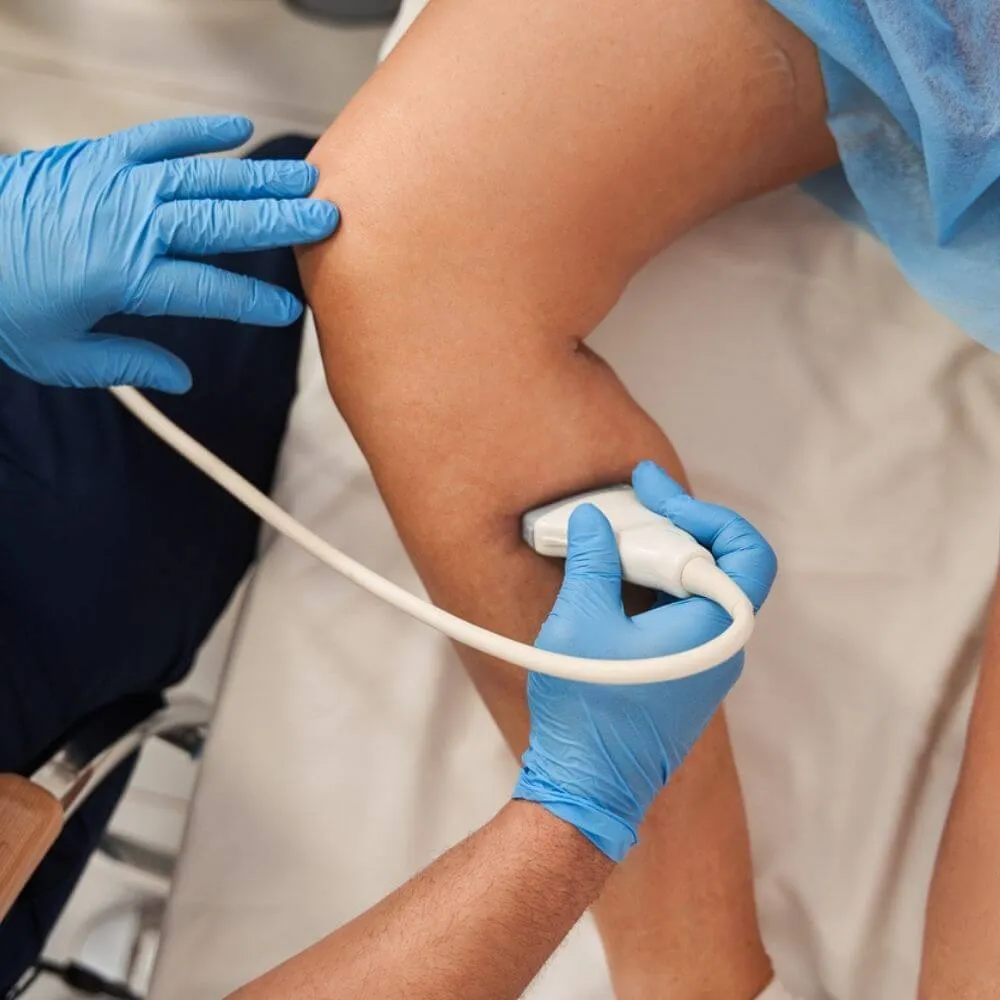
Today, Doppler ultrasound is the main examination for diagnosing varicose veins. This examination does not cause pain, involves no radiation, and can be done on an outpatient basis.
With Doppler ultrasound, the doctor can:
- See the structure of the veins in real time
- Assess how smoothly blood is flowing
- Measure the duration of venous reflux
- Map the veins that are affected
As a result, the source of the problem can be identified accurately, so medical treatment becomes more targeted.
Determining Severity With the CEAP Classification
Next, the doctor will assess the stage of the varicose veins using the CEAP (Clinical, Etiology, Anatomy, Pathophysiology) classification. This system is used worldwide to assess chronic venous disease.
In simple terms:
- Early stage → conservative therapy is usually enough
- Intermediate stage → minimally invasive procedures start to be considered
- Advanced stage → more comprehensive medical treatment is needed
This approach helps the doctor choose therapy that is evidence-based and objective, not just based on how the veins look on the skin surface.
Determining the Most Appropriate and Personalized Therapy
In fact, every patient’s varicose veins are different. That is why examination results form the basis for choosing therapy, ranging from:
- the use of compression stockings
- lifestyle changes
- to minimally invasive medical procedures
Moreover, vein mapping also helps the doctor choose a suitable technique with a faster recovery time.
This is where a medical examination plays an important role in determining the way to get rid of varicose veins in the legs that truly fits your condition, rather than simply following general methods.
When Should You See a Doctor?
Get checked promptly if you experience:
- Pain or heaviness in the legs
- Swelling that appears more and more often
- Skin color changes around the ankles
- Varicose veins that are increasingly bulging and widened
- Wounds on the legs that are slow to heal
The sooner you are examined, the greater the chance that treatment can be done with simpler, minimally invasive methods.
In the end, a medical examination does not mean your condition is already severe. On the contrary, it is a proactive step to find a safe and suitable solution. Through an accurate diagnosis, the doctor can choose modern therapy options that fit the needs of your blood vessels.
Now that you understand the diagnostic process, we will next discuss the various medical procedures to get rid of varicose veins, which are designed to be more comfortable, cause less pain, and let you return to your activities sooner.
Medical Procedures to Get Rid of Varicose Veins
When conservative therapy is no longer enough, medical ways to get rid of varicose veins in the legs offer an effective, safe solution based on minimally invasive technology. The goal is not only to improve the appearance of the legs, but also to restore venous blood flow so that symptoms such as pain, swelling, and heaviness can be reduced significantly.
Indeed, thanks to advances in vascular surgery, most procedures today do not require major surgery or a long hospital stay. That is why patients can generally return to their activities sooner with minimal discomfort. The choice of procedure will be tailored to the Doppler ultrasound results, the size of the affected vein, and your overall health.
Sclerotherapy: An Option for Small to Medium Varicose Veins
Sclerotherapy works by injecting a special solution into the affected vein. This substance causes the vein walls to close, so blood flow is redirected to healthy vessels. Over time, the body naturally absorbs the treated vein.
This method is highly recommended for:
- Spider veins
- Small to medium varicose veins
- Cosmetic concerns without problems in the main veins
In addition, the procedure is short (about 15 to 30 minutes) and does not require general anesthesia. Patients can even walk right after the procedure.
Endovenous Laser Therapy (EVLT): Laser Technology Without Major Surgery
Unlike conventional methods, EVLT uses laser energy delivered through a small catheter into the vein. This heat energy closes the vein precisely from the inside, guided by ultrasound.
Besides being minimally invasive, this technique can also be an option for large varicose veins. In fact, compared with vein stripping, EVLT offers:
- A very small wound
- Milder pain after the procedure
- A lower risk of complications
- Faster recovery
Patients can generally return to normal activities within a few days.
Radiofrequency Ablation (RFA): Less Pain, a More Comfortable Recovery
Radiofrequency Ablation uses radio wave energy to heat the vein wall until it closes completely. The principle is similar to EVLT, but with more even heat distribution.
In fact, various studies in the Journal of Vascular Surgery show that RFA offers:
- Less bruising
- Milder pain after the procedure
- A faster return to work
That is why this method is often chosen by patients who want a more comfortable recovery.
Consulting a Specialist: A Step Toward Choosing the Right Therapy
In the end, no single method suits everyone. That is why consulting a vascular specialist is an important step in determining the most suitable way to get rid of varicose veins in the legs.
Through a thorough evaluation, the doctor will:
- Identify the main source of the varicose veins
- Determine the severity
- Choose a suitable and safe technique
- Reduce the risk of recurrence
With the right approach, therapy not only gives good cosmetic results, but also improves overall quality of life.
Comparison of Varicose Vein Treatment Methods
Choosing a way to get rid of varicose veins in the legs should not be based on outward appearance alone. The extent of vein valve damage, the diameter of the blood vessels, and the symptoms you experience will determine the most suitable method. That is why understanding how the therapies compare helps you and your doctor choose a procedure that is appropriate, safe, and fits your lifestyle.
According to clinical guidance from Mayo Clinic and Cleveland Clinic, modern varicose vein therapy focuses on minimally invasive techniques with faster recovery times and high success rates.
Comparison of Varicose Vein Treatment Methods
| Method | Pain Level | Recovery | Effectiveness | Indications |
|---|---|---|---|---|
| Compression Therapy | Very mild | Immediate return to activities | Reduces symptoms, does not remove veins | Mild varicose veins, preventing progression |
| Sclerotherapy | Mild | 0 to 2 days | High for small to medium veins | Spider veins & small varicose veins |
| EVLT (Endovenous Laser Therapy) | Mild to moderate | 2 to 5 days | High for main veins | Medium to large varicose veins with reflux |
| RFA (Radiofrequency Ablation) | Mild | 2 to 5 days | Comparable to EVLT, more comfortable after the procedure | Large varicose veins & saphenous vein insufficiency |
| Conventional surgery | Moderate to high | 2 to 4 weeks | Effective but invasive | Complex cases or very large veins |
How Should You Understand the Differences Between Methods?
First, compression therapy serves as the basic therapy. It does not remove varicose veins, but it is effective in reducing pain, heaviness, and swelling. That is why this method is often combined with other medical procedures.
Second, sclerotherapy is the main option for small varicose veins. The procedure is quick, causes minimal discomfort, and you can return to your activities with almost no downtime. In addition, the cosmetic results are generally good for fine blood vessels.
Next, EVLT and RFA are often the main options for larger varicose veins. Both close the damaged vein from the inside using heat energy guided by ultrasound. They are not only effective, but also allow a faster recovery than conventional surgery. In fact, many patients can already walk on the same day.
That said, conventional surgery still has a role in certain conditions, for example when the vein structure is very complex or minimally invasive techniques are not possible.
Which Method Is the Most Appropriate?
The answer depends on the individual. The doctor will consider:
- Doppler ultrasound results
- The severity of the varicose veins
- The location of the affected veins
- The goals of therapy (medical, functional, cosmetic)
That is why the right approach to choosing a way to get rid of varicose veins in the legs is not simply picking the newest technology, but choosing the therapy that most suits your condition.
How Does This Affect Recovery Time?
Each method has a different recovery time. Sclerotherapy allows activity almost immediately. EVLT and RFA require a few days. In contrast, conventional surgery requires a longer time.
This difference is often a key consideration for patients with busy, active lives. Therefore, in the next section we will discuss specifically how long recovery takes after varicose vein treatment and how to help the process along optimally.
How Long Is Recovery After Varicose Vein Treatment?
Recovery time is one of the most frequently asked questions when someone is looking at medical procedures to get rid of varicose veins in the legs. The good news is that technological developments have made most varicose vein procedures minimally invasive, so patients can return to their activities sooner without a long hospital stay. However, how quickly you recover still depends on the type of therapy, the condition of your blood vessels, and how closely you follow post-procedure care.
Patients who undergo therapies such as sclerotherapy or endovenous ablation can generally walk right after the procedure and return to light activities within a short time.
When Can You Return to Normal Activities?
First, it is important to understand that moving around actually helps the healing process. Doctors usually recommend light walking right after the procedure to improve blood flow.
Estimated time to return to activities:
- Sclerotherapy → light activity on the same day
- EVLT & RFA → back to work in about 2 to 5 days
- Conventional surgery → recovery of about 2 to 4 weeks
However, strenuous activities such as intense exercise, standing for too long, or lifting heavy loads should be postponed for a while. That is why following your doctor’s guidance is key to optimal treatment results.
The Important Role of Compression Stockings After the Procedure
Next, wearing compression stockings is not just for comfort; it is part of the therapy. The graded pressure of the stockings helps:
- Reduce swelling and bruising
- Speed up healing of the vein
- Lower the risk of blood clots
- Optimize the cosmetic results for the legs
Most patients are advised to wear them for 1 to 2 weeks, depending on the procedure and their clinical condition. This recommendation is also commonly applied at many vascular centers.
Why Should Follow-Up Visits Not Be Skipped?
Then, even if your legs already feel lighter, follow-up visits are still necessary. At this stage, the doctor will:
- Evaluate how effective the procedure was
- Make sure the affected vein has closed completely
- Detect any possible complications early
- Determine whether additional therapy is still needed
The examination usually uses Doppler ultrasound, which can assess blood flow in real time without causing pain. In fact, routine follow-up plays a major role in the long-term success of the treatment for varicose veins in the legs that you have undergone.
Factors That Affect How Quickly You Recover
Every patient has a different recovery time. Some of the factors that play a role include:
- The size and number of varicose veins
- The type of procedure chosen
- Daily activities and type of work
- Consistency in wearing compression stockings
- Overall health
That is why a personalized, well-planned approach will give more optimal results while also speeding up recovery.
Optimal Recovery Helps Prevent Recurrence
Finally, the recovery phase is not only about the wound healing, but also about keeping blood circulation healthy in the long term. By following all medical advice, most patients can return to normal activities with legs that feel lighter and more comfortable, and with renewed confidence.
However, many patients still ask: can varicose veins come back after treatment? In the next section, we will discuss the risk factors for recurrence and how to prevent it so that the treatment results last longer.
Can Varicose Veins Come Back?
Yes, varicose veins can come back even after they have been treated. However, what often happens is not that the same vein “reopens”, but that new varicose veins appear in other blood vessels that were previously healthy. This is related to the nature of chronic venous disease, which is influenced by genetic factors, pressure in the leg veins, age, and daily lifestyle.
Indeed, procedures such as endovenous laser treatment, radiofrequency ablation, or sclerotherapy can remove visible varicose veins. However, these therapies do not change the underlying tendency of your venous system. That is why a long-term approach is still needed.
Why Can Varicose Veins Reappear?
There are several main mechanisms:
- Inborn weakness of the vein valves → blood flows backward and pools in the legs more easily
- High vein pressure from standing or sitting for too long
- Hormonal changes (for example, during pregnancy)
- Aging, which reduces blood vessel elasticity
In addition, work and daily activity patterns play a big role. In fact, without proper lifestyle management, the risk of varicose veins coming back remains even if the previous procedure was successful.
Lifestyle Factors That Determine the Risk of Recurrence
Beyond medical procedures, daily habits strongly affect long-term results. That is why doctors usually advise the following:
First, stay active
- Regular walking helps the “calf muscle pump” push blood back to the heart
- Avoid sitting or standing still for more than 30 to 60 minutes
Second, maintain an ideal weight
- Excess weight increases pressure on the leg veins
Next, wear compression stockings as recommended
- They can help improve venous blood flow
- They reduce heaviness and swelling in the legs
Then, raise your legs when resting
- This helps lower vein pressure
The Importance of Routine Checkups and Follow-Up
Many patients stop coming for checkups once the varicose veins are no longer visible. On the contrary, above all, follow-up is actually the key to preventing recurrence.
Through regular checkups, the doctor can:
- Evaluate the success of previous therapy
- Detect new varicose veins at an early stage
- Assess venous system function with Doppler ultrasound
- Adjust compression therapy and activity recommendations
So, routine checkups do not mean your condition is getting worse; they are a preventive strategy to help treatment results last longer.
Long-Term Strategies to Keep Varicose Veins From Returning Easily
The main goal of therapy is not only to remove visible varicose veins, but to keep the entire venous system healthy.
Steps you can take:
- Do light exercise regularly
- Avoid wearing high heels for too long
- Pay attention to your leg position when sitting
- Get enough fluids and fiber to prevent constipation (which increases intra-abdominal pressure)
- Attend checkups as scheduled by your doctor
With this approach, many patients can continue their normal activities without significant complaints despite a history of varicose veins.
The Bottom Line: Varicose Veins Can Come Back, but They Can Be Controlled
Varicose veins can come back, but the risk can be reduced through a combination of medical therapy, lifestyle changes, and routine checkups. A consistent approach makes treatment results more stable and keeps quality of life optimal.
That is why it is important to recognize early signs as soon as possible. Next, when should you go back to see a doctor? The following section will help you understand the right time to seek medical help.
When Should You Consult a Doctor?
Not all varicose veins need immediate treatment. However, knowing when to see a doctor is an important part of getting rid of varicose veins in the legs safely and effectively. Consulting earlier helps the doctor assess the severity, prevent complications, and determine the therapy that most suits your condition.
A medical evaluation is recommended when symptoms start to develop, persist, or affect your quality of life.
Leg Pain That Does Not Get Better
Heaviness or aching after standing for a long time is indeed common. However, pain that persists, throbs, or keeps appearing even after rest indicates that pressure on the venous system is getting higher.
In addition, chronic pain may indicate:
- Inflammation of the veins
- More significant blood flow problems
- A need for therapy beyond compression stockings
That is why a Doppler ultrasound examination is often needed to find the source of the problem accurately.
Wounds Appearing Around the Ankle
Next, wounds around the ankle that are slow to heal are a sign of advanced chronic venous disease (venous ulcers).
Features to watch for:
- The wound feels painful and moist
- The surrounding skin turns dark or thickens
- Healing is very slow
This condition is a strong indication for medical therapy because it generally does not improve with self-care alone.
Swelling That Persists From the Morning
Mild swelling in the afternoon is still considered an early stage. In contrast, swelling that is already present in the morning, feels tight, or does not improve with leg elevation indicates a more severe venous circulation problem.
In fact, chronic swelling can lead to:
- Permanent skin color changes
- Hardened skin (lipodermatosclerosis)
- A higher risk of wounds
That is why an earlier evaluation makes treatment much simpler.
Varicose Veins Start to Interfere With Daily Activities
To be honest, many patients come in not because of pain, but because their activities are disrupted. For example:
- Being unable to stand for long at work
- Legs that tire quickly when walking
- Night cramps that disturb sleep
At this point, therapy is no longer about appearance, but about restoring quality of life. The modern approach to getting rid of varicose veins in the legs focuses on minimally invasive procedures with a fast recovery.
Emergency Signs That Should Not Be Put Off
Get checked immediately if you notice:
- A varicose vein that suddenly becomes very painful and hard
- Redness along a blood vessel
- Bleeding from a varicose vein
- Sudden swelling in one leg that feels warm
These symptoms may be related to venous thrombosis and require immediate treatment.
Why Is Consulting Earlier Better?
The sooner you are examined, the greater your chance of getting therapy with:
- Minimal incisions
- Minimal pain
- Fast recovery
- More optimal medical and cosmetic results
On top of that, the right diagnosis also helps determine a long-term prevention strategy so that the varicose veins do not progress further.
Which Doctor Treats Varicose Veins?
Choosing the right doctor is a crucial step in getting rid of varicose veins in the legs medically and thoroughly. Varicose veins are not just a cosmetic problem; they are related to impaired venous blood flow. That is why their treatment requires a doctor with specific competence in blood vessels, supported by accurate diagnostic testing from the start.
A diagnosis based on Doppler ultrasound and therapy by a doctor with vascular expertise can help improve treatment success and lower the risk of recurrence.
The Right Specialist to Treat Varicose Veins
Not all varicose vein complaints require the same procedure. Therefore, the doctor who treats them also depends on the patient’s clinical condition.
1. Vascular Surgeon
This is a doctor who specifically treats diseases of the arteries and veins.
Their role includes:
- Identifying the source of venous leakage
- Developing the most suitable treatment strategy
- Performing minimally invasive procedures such as:
- Endovenous Laser Therapy (EVLT)
- Radiofrequency Ablation (RFA)
- Treating varicose veins with complications (for example, chronic wounds or venous ulcers)
This approach is important because therapy that only removes the visible vessels without addressing the source of the problem risks causing varicose veins to come back.
2. Cardiovascular Specialist (Peripheral Vascular Focus)
In addition, in integrated cardiovascular services, cardiologists with peripheral vascular competence play a role in:
- Assessing the circulatory system as a whole
- Identifying risk factors such as obesity, a history of thrombosis, or a sedentary lifestyle
- Providing comprehensive therapy that does not focus only on the widened veins
This systemic approach is important, especially for patients with other cardiovascular diseases.
Why Are Complete Diagnostic Facilities So Important?
In modern practice, success in getting rid of varicose veins in the legs is determined not only by who the doctor is, but also by the quality of the examinations performed before therapy.
Venous Doppler Ultrasound, the Gold Standard for Diagnosis
This examination allows the doctor to:
- See the direction of blood flow in real time
- Assess vein valve function
- Pinpoint the exact location of the source of reflux
Without this examination, therapy risks missing its target.
Vein Mapping for Procedure Planning
Furthermore, venous mapping helps:
- Determine the appropriate treatment technique
- Minimize tissue trauma
- Speed up patient recovery
As a result, the procedure becomes more precise, with less pain and more optimal cosmetic results.
A Multidisciplinary Team Approach: The Modern Standard of Care
In fact, modern vascular centers do not work individually. Varicose vein treatment often involves:
- Vascular doctors
- Interventional radiologists
- Physical medicine and rehabilitation doctors
- Vascular nurses
This collaboration provides:
- A more comprehensive diagnosis
- Integrated therapy
- Education on preventing recurrence
And most importantly, the patient experience becomes much more comfortable and well-directed.
When Should You Choose an Integrated Vascular Care Center?
To be honest, if your goal is an optimal result, both medically and cosmetically, choose a facility that has:
- Doctors with a vascular subspecialty
- Doppler ultrasound and complete vascular imaging
- Minimally invasive treatment options
- A long-term follow-up program
That is why this approach focuses not only on the procedure, but also on the patient’s quality of life after therapy.
Treating Varicose Veins With a Comprehensive Approach
Getting rid of varicose veins in the legs cannot be achieved with external care or topical creams alone. In fact, effective varicose vein therapy should start with an accurate diagnosis, the right choice of medical technology, and collaboration within a multidisciplinary team so that the results are optimal and lasting. This approach has now become the standard in modern treatment.
Why Is Diagnosis the Crucial First Step?
Before deciding on therapy, the doctor needs to understand the main cause of the varicose veins, not just how they look on the skin surface. Examinations such as Doppler ultrasound allow the doctor to see the direction of blood flow, the function of the vein valves, and the location of the problem in detail.
With this technology-based diagnosis, therapy can be personalized:
- Mild varicose veins → conservative therapy (compression stockings, lifestyle changes)
- Certain vein valve problems → minimally invasive procedures
- Complex cases → a combination of several methods
This diagnosis-based approach is in line with recommendations from the cardiovascular medical community, which emphasize that treatment of blood vessel disease should be based on mapping venous function, not just on visible symptoms.
Modern Medical Technology for More Comfortable Therapy
Technological advances have made getting rid of varicose veins in the legs much more comfortable today than with conventional surgical methods. Some commonly used procedures include:
- Endovenous Laser Therapy (EVLT), which closes the affected vein with laser energy
- Radiofrequency Ablation (RFA), which uses controlled heat to return blood flow to its normal pathway
- Sclerotherapy with imaging guidance, which injects a special solution under precise visual guidance
These minimally invasive methods generally involve:
- No hospital stay
- Minimal pain
- Fast recovery
- A lower risk of complications
This is supported by various scientific publications in vascular journals that report good outcomes in many patients as well as higher patient satisfaction compared with conventional surgical techniques.
The Role of a Multidisciplinary Team in Long-Term Results
Varicose veins are not just a cosmetic issue. In many cases, this condition is related to the circulatory system as a whole. That is why a comprehensive approach involves:
- Cardiovascular (heart & blood vessel) specialists
- Interventional radiologists
- A vascular nursing team
- Patient educators for lifestyle changes
This collaboration allows patients to receive:
- A comprehensive treatment plan
- Prevention of recurrence
- Long-term monitoring
It focuses not only on the procedure, but also on improving the patient’s overall quality of life.
Personalized Care for Every Stage of Varicose Veins
In addition, every patient has different risk factors, from family history, pregnancy, and obesity to jobs that require long hours of standing. That is why modern therapy is no longer one-size-fits-all.
A personalized approach usually includes:
- A physical activity program that is safe for circulation
- Strategies to maintain an ideal weight
- Proper use of compression stockings
- A schedule of regular checkups
With this strategy, getting rid of varicose veins in the legs does not focus only on removing the visible vessels, but also on improving the blood flow system as a whole.
A comprehensive approach offers one major advantage: detecting risks early, before complications such as chronic pain, skin color changes, and even wounds that are slow to heal appear.
That is why the sooner varicose veins are treated with the right method, the greater the chance to:
- Stop the disease from progressing
- Reduce the need for more invasive procedures
- Speed up the recovery of quality of life
This is why it is important to understand that varicose vein therapy is not just a cosmetic choice, but part of keeping your blood vessels healthy overall. So, what happens if varicose veins are left untreated for too long? That is what we will discuss in the next section: Why Is Early Treatment of Varicose Veins Important?
Why Is Early Treatment of Varicose Veins Important?
Many people put off seeking therapy because they think varicose veins are only a cosmetic problem. In fact, from a vascular medicine perspective, getting rid of varicose veins in the legs is much more effective when it is done at an early stage, before vein valve damage develops into a chronic circulation disorder. Untreated varicose veins can progress from mild complaints to a condition that affects the skin and tissue, and can even increase the risk of blood vessel complications.
An early approach is not just about appearance; it is an investment in long-term quality of life.
Preventing More Serious Complications
In the early phase, varicose veins may only cause aching, heaviness, or cramps at night. However, as pressure inside the veins keeps rising, this condition can trigger:
- Chronic swelling of the legs
- Skin color changes (hyperpigmentation)
- Stasis dermatitis due to impaired blood flow
- Chronic wounds (venous ulcers) that are slow to heal
- Bleeding from superficial veins
- An increased risk of superficial vein thrombosis
According to the vascular clinical literature, wounds caused by venous insufficiency are among the complications that most reduce quality of life, because they require long-term, repeated care.
The good news is that many of these complications can be prevented if the venous flow problem is treated before permanent tissue damage occurs.
Improving Everyday Quality of Life
Early treatment does more than remove visibly bulging blood vessels. Beyond that, the right therapy helps improve circulation so that complaints such as:
- Legs feeling heavy when standing for a long time
- Tiring easily when walking
- Cramps at night
- A burning or throbbing sensation
can be reduced significantly.
Many patients only realize the impact after undergoing therapy: they feel comfortable going about their activities again, are more confident wearing clothes that show their legs, and sleep more soundly without being disturbed by pain.
In other words, getting rid of varicose veins in the legs at an early stage contributes directly to mobility, productivity, and emotional health.
Procedures Are Much Simpler in the Early Stages
The earlier varicose veins are treated, the simpler the methods needed. In the early stages, treatment usually only involves:
- Medical compression therapy
- Targeted lifestyle changes
- Short minimally invasive procedures
Conversely, at an advanced stage, therapy can become more complex because it has to deal with:
- Skin damage
- Chronic inflammation
- More extensive venous flow problems
This is why many clinical guidelines recommend early evaluation with vascular Doppler ultrasound, even when symptoms are still mild.
The Often Overlooked Psychological Impact
Apart from the physical aspects, varicose veins also affect emotional well-being. Discomfort in the legs, limited activity, and changes in appearance often lower self-confidence.
Early treatment helps patients:
- Stay active without pain
- Feel more comfortable in their own bodies
- Avoid the stress of a chronic condition
A fast and appropriate approach does not only heal the veins, but also restores a sense of control over your own health.
The Sooner It Is Treated, the Greater the Chance of Optimal Recovery
Varicose veins will not get better on their own. However, when they are treated earlier:
- Disease progression can be slowed
- Treatment results are more optimal
- The risk of recurrence is lower
- Recovery is faster
This is why it is important not to wait until severe pain or wounds on the legs appear. Recognizing early signs and consulting promptly allows patients to receive therapy that is lighter, more comfortable, and effective.
Conclusion
Understanding how to get rid of varicose veins in the legs is not only about choosing a treatment method, but about making sure you receive an accurate medical evaluation and treatment that suits the condition of your blood vessels. Indeed, with today’s advances in vascular medicine, varicose veins can be treated effectively through either conservative therapy or minimally invasive procedures, so the prospect of comfortably returning to your activities keeps growing.
Varicose Vein Therapy Is Individual and Based on Diagnosis
Every case of varicose veins has different characteristics. That is why the choice of therapy is always determined by the results of clinical examination and imaging, especially vascular Doppler ultrasound, which is the standard for assessing valve function and venous blood flow. In addition, this approach is also recommended by vascular care centers worldwide, which emphasize the importance of a thorough examination before deciding on therapy.
As a result, therapy becomes:
- More precisely targeted
- Lower in risk
- More effective at improving symptoms
This approach also helps prevent recurrence in the future.
Early Treatment Gives Better Results
In fact, the sooner varicose veins are treated, the simpler the procedure that can be performed. Conversely, if they are left untreated, steadily rising vein pressure can trigger skin changes, chronic swelling, and even wounds that are slow to heal.
That is why treatment from an early stage allows for:
- Lighter, minimally invasive procedures
- A faster recovery time
- A return to optimal quality of life
In other words, efforts to get rid of varicose veins in the legs give better results when they are made as early as possible, before complications occur.
Time to Take a Step for Your Vascular Health
If you are starting to feel heaviness, aching, or swelling in your legs, or you notice blood vessels that are becoming more prominent, it is not just a cosmetic problem. In fact, it is a signal that your venous system needs medical attention.
At Heartology Cardiovascular Hospital, varicose vein treatment begins with a vascular evaluation using Doppler ultrasound. Based on the results of that examination, the doctor determines the appropriate treatment options, ranging from compression therapy to minimally invasive procedures such as sclerotherapy or varicose vein ablation.
The sooner you get checked, the greater your chance of achieving optimal treatment results with a simpler procedure.
Keep as a reminder
Checklist before Your Consultation
Tick what you have prepared.
0 of 6 items checked
Checks are kept only while this page is open.
After reading
Discuss Your Questions with a Doctor.
Bring your notes and any test results you want to discuss. A consultation helps decide which tests and treatment are right for you.
Our team confirms the schedule and what you need for your visit. The information on this page is for educational purposes and does not replace medical consultation, diagnosis, or treatment. For any health concerns, please consult a doctor directly.
Doctors Related to This Topic

dr. Suko Adiarto, Sp.JP(K), Ph.D.
Interventional Cardiology
Vascular Diagnostic and Therapeutic Center +1 center
Clinical focusCoronary Intervention · Peripheral Vascular Intervention
View Profile
dr. Emanoel Oepangat, Sp.JP(K)
Interventional Cardiology
Vascular Diagnostic and Therapeutic Center +1 center
Clinical focusCoronary Intervention · Peripheral Vascular Intervention
View Profile
dr. Rr. Pasati Lintangella, Sp.BTKV
Thoracic & Cardiovascular Surgery
Advanced Cardiovascular Surgical Care +1 center
Clinical focusAdult Cardiac Surgery · Coronary Artery Bypass Surgery
View ProfileFrequently Asked Questions.
Here are some frequently asked questions about getting rid of varicose veins in the legs, from treatment options to recovery and recurrence.
Can Varicose Veins Go Away Without Surgery?
In the early stages, varicose veins can often be controlled without surgery through lifestyle changes, compression stockings, maintaining an ideal weight, and moving your legs regularly to improve blood flow. This approach helps reduce complaints such as aching, swelling, and heaviness. However, if the vein valves are already damaged, the widened blood vessels generally cannot return to normal with conservative therapy alone. That is why a Doppler ultrasound examination is important to determine whether the condition can still be managed without a procedure or needs a minimally invasive procedure such as laser treatment or sclerotherapy.
Is Laser Treatment for Varicose Veins Painful?
Laser treatment for varicose veins generally does not cause severe pain because it is done under local anesthesia. Most patients only feel warmth, a slight pulling sensation, or mild discomfort during the procedure. Afterward, the leg can usually still be used for walking, and patients are even encouraged to stay active so that blood circulation remains good. This method was developed to minimize tissue trauma, so recovery is generally faster than with conventional surgery.
How Long Should Compression Stockings Be Worn?
How long compression stockings should be worn depends on the purpose of wearing them and the severity of the varicose veins. In initial therapy without a procedure, stockings are usually worn every day from morning to night to help blood flow back to the heart and reduce swelling. After procedures such as laser treatment or sclerotherapy, doctors generally recommend wearing them for several weeks so that the treatment results are optimal and the risk of recurrence is lower. The right duration should be decided based on a medical evaluation, because every vein condition has different needs.
Is Varicose Vein Treatment Covered by Insurance?
Varicose vein treatment may be covered by insurance if it is considered a medical condition that causes symptoms or complications, such as chronic pain, swelling, skin changes, or wounds due to impaired venous blood flow. However, if the therapy is done purely for cosmetic reasons without medical complaints, some insurers usually do not provide coverage. Therefore, a doctor's examination and documentation of the diagnosis are important factors in determining whether the planned procedure is a benefit covered by your insurance.
Can Varicose Veins Be Completely Cured?
Varicose veins are part of chronic venous disease, so the main goal of therapy is not merely to remove the visible blood vessels, but to improve blood flow and prevent the disease from progressing. With the right diagnosis and appropriate therapy, problematic varicose veins can be treated and complaints can be reduced, so quality of life improves. Even so, risk factors such as heredity, pregnancy, or jobs that require long hours of standing can still trigger new varicose veins later on. That is why regular checkups and keeping your blood vessels healthy remain important after therapy.
Sources and Transparency.
The information on this page is for educational purposes and does not replace medical consultation, diagnosis, or treatment. For any health concerns, please consult a doctor directly.
If you find information that needs clarifying, let us know through our Contact Us page.