Quick answer
Aspirin is a medication containing acetylsalicylic acid, commonly used to relieve pain and reduce fever. At low doses, aspirin also inhibits platelet activity, helping reduce blood clot formation in certain conditions, including coronary artery disease. Daily aspirin use is not recommended for everyone because it can increase the risk of bleeding and should be based on an individual medical assessment.
See sourcesWhat is aspirin? Aspirin is a medication commonly used to relieve pain and reduce fever. However, it also plays an important role in treating certain heart conditions, particularly by helping prevent blood clots that can block blood vessels.
Low-dose aspirin may be prescribed for patients with coronary artery disease, a history of heart attack, or certain cardiovascular conditions. However, these benefits do not mean that everyone needs to take aspirin every day to prevent heart disease.
Why do some patients need long-term aspirin therapy, while others are advised not to start taking it? The answer depends on the purpose of treatment, medical history, and the balance between potential benefits and bleeding risks.
Understanding how aspirin works can help you recognize its benefits, learn what to consider during treatment, and make healthcare decisions with your doctor more confidently.
What Is Aspirin?
Aspirin is a medication containing the active ingredient acetylsalicylic acid. It belongs to a class of medications called nonsteroidal anti-inflammatory drugs (NSAIDs). Aspirin has several functions: relieving pain, reducing fever, decreasing inflammation, and inhibiting platelet activity involved in blood clot formation.
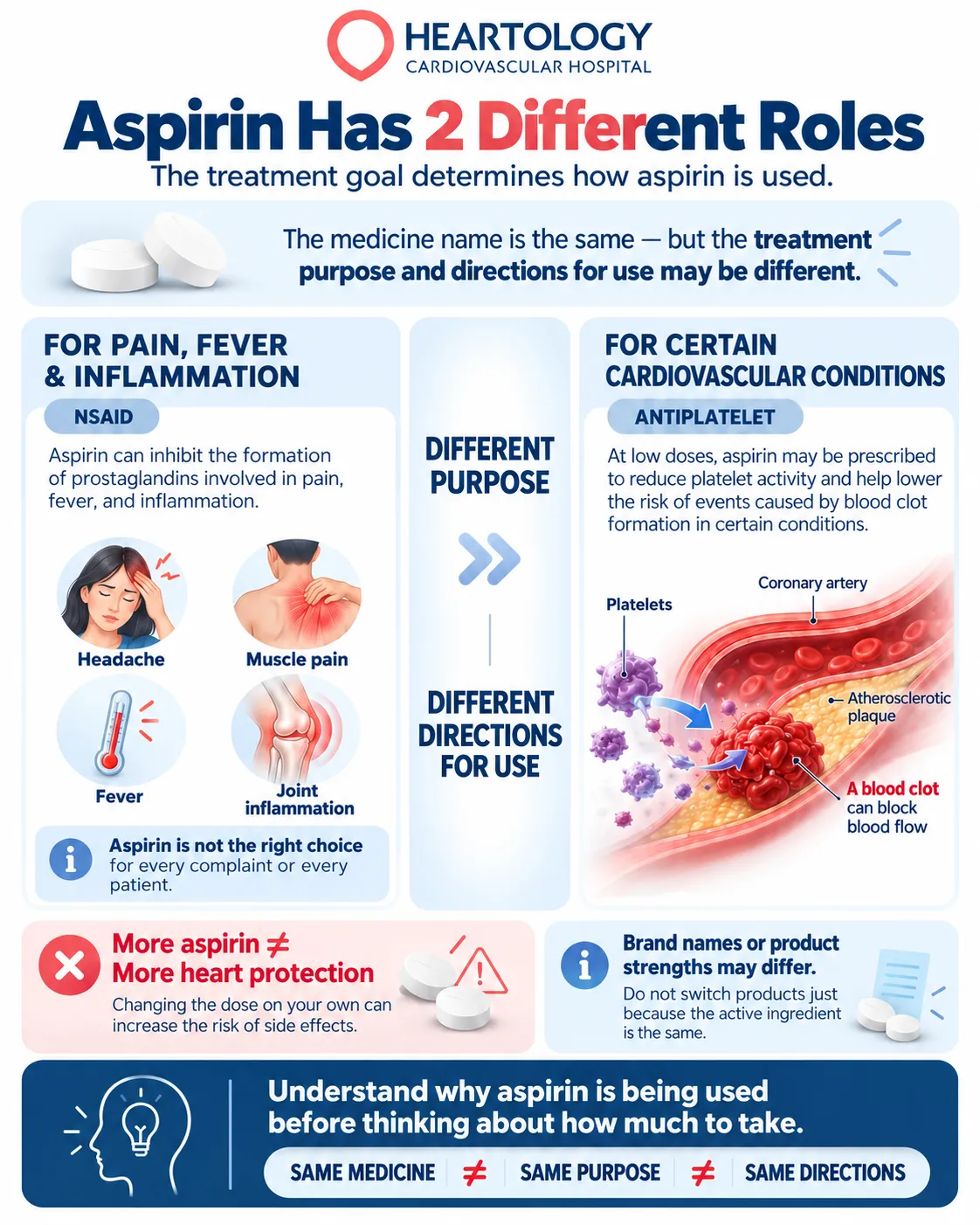
These properties allow aspirin to be used in two different treatment contexts. First, aspirin can be used to relieve pain or fever. Second, low-dose aspirin may be prescribed as an antiplatelet medication to help reduce the risk of events caused by blood clot formation in certain cardiovascular conditions.
This distinction is important because the instructions for using aspirin to relieve pain differ from those for using it to treat heart disease.
For patients who have been prescribed aspirin, understanding the purpose of treatment is just as important as knowing the name and dose of their medication.
Is Aspirin the Same as Aspilet and Cardio Aspirin?
Aspirin is the commonly used name for medications containing acetylsalicylic acid as their active ingredient. Aspilet and Cardio Aspirin, meanwhile, are examples of brand-name products containing aspirin.
Although they contain the same active ingredient, these products may differ in strength, tablet formulation, and instructions for use.
For example, aspirin prescribed for antiplatelet therapy typically comes in a different strength from aspirin used for pain relief.
Therefore, do not switch medications simply because they contain the same active ingredient. If your usual product is unavailable, ask your doctor or pharmacist to help ensure that the replacement is appropriate.
Uses and Mechanism of Action of Aspirin
Aspirin works by inhibiting the production of certain substances involved in pain, inflammation, and platelet activity. Depending on the treatment goal, aspirin has two main uses: as a pain reliever and as an antiplatelet medication.
Aspirin for Pain, Fever, and Inflammation
Aspirin belongs to the NSAID class because it can inhibit the production of prostaglandins, substances involved in pain, fever, and inflammation.
Through this mechanism, aspirin can help relieve certain symptoms, such as headaches or muscle pain.
However, aspirin is not appropriate for every symptom or every patient. People with a history of stomach ulcers, bleeding disorders, aspirin allergies, or certain medication use may need alternative treatments.
In addition, aspirin used for pain relief has different dosing instructions from low-dose aspirin used for heart disease. Taking more aspirin does not provide better protection for the heart.
Aspirin as an Antiplatelet Medication to Reduce Blood Clot Formation
To understand aspirin’s benefits for heart health, it is important to understand platelets.
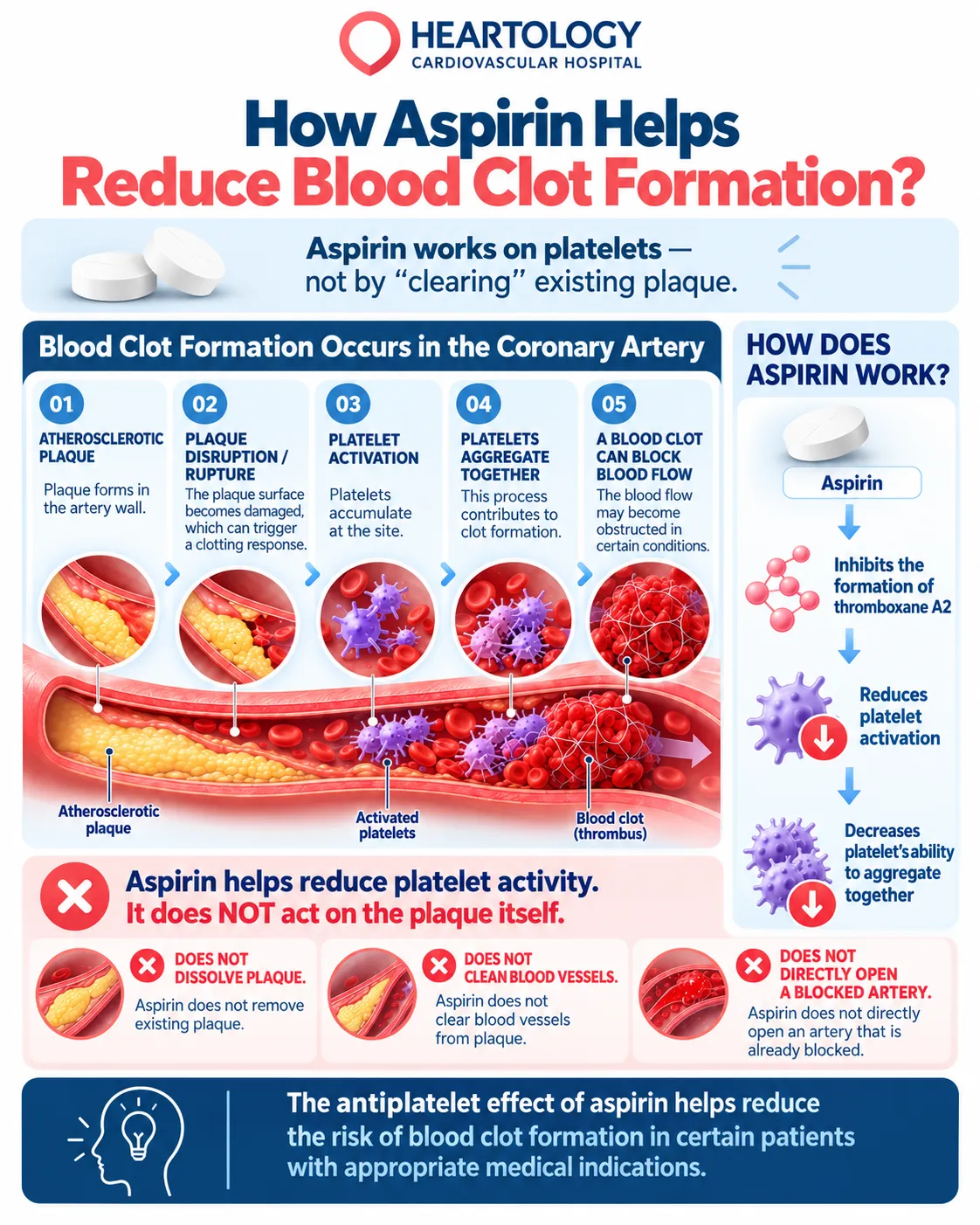
Platelets are blood components that help stop bleeding. When a blood vessel is injured, platelets gather and stick together to help form a clot.
This process is essential for the body. However, clot formation can become problematic in blood vessels affected by atherosclerosis. Atherosclerosis occurs when plaque made up of fat, cholesterol, and other substances accumulates in the walls of arteries.
If a plaque becomes damaged or ruptures, platelets can accumulate and form a clot that obstructs blood flow. Aspirin helps reduce this process by inhibiting the production of thromboxane A2, a substance that helps activate platelets.
As a result, platelets become less able to stick together. This is known as aspirin’s antiplatelet effect.
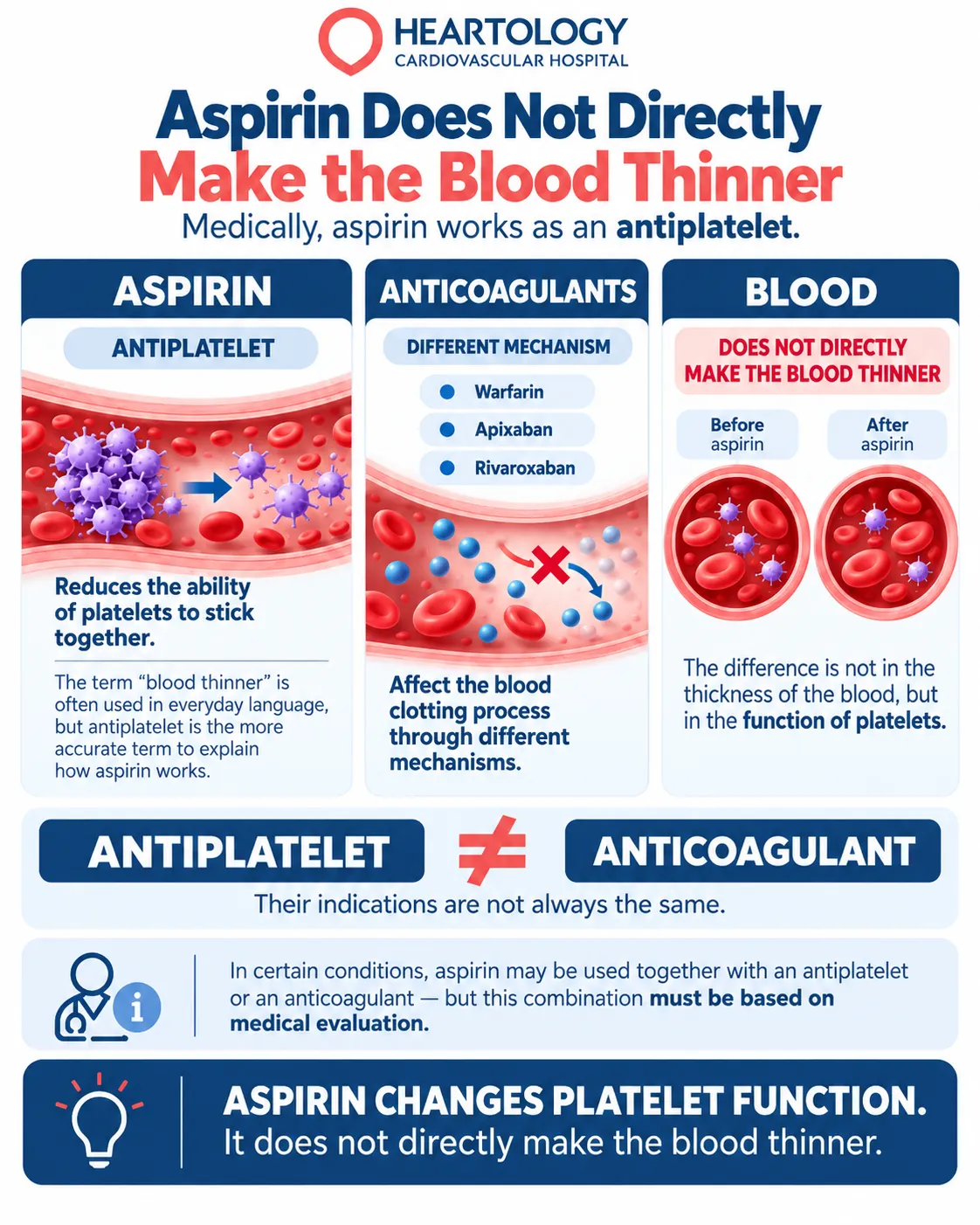
In everyday conversation, aspirin is often described as a “blood thinner.” However, this term needs to be understood correctly: aspirin does not literally make the blood thinner.
Aspirin inhibits platelet function. Its mechanism differs from that of anticoagulant medications, such as warfarin or rivaroxaban, which affect the clotting process through other mechanisms.
This difference is important because antiplatelet and anticoagulant medications are not always used for the same indications.
Aspirin also does not dissolve atherosclerotic plaque or directly open a blood vessel that is already blocked. In other words, it helps reduce the risk of certain blood clots forming; it does not clear existing blockages.
Benefits of Aspirin for Heart Health
The main cardiovascular benefit of aspirin is helping reduce the risk of events caused by blood clot formation in patients with specific medical indications.
One condition associated with aspirin use is coronary artery disease. In this disease, atherosclerotic plaque can narrow the blood vessels that supply oxygen to the heart muscle.
If a plaque ruptures and triggers clot formation, blood flow may become restricted or completely blocked. This blockage can cause a heart attack.
Aspirin helps reduce platelet activity involved in clot formation. Therefore, it can be an important part of treatment for patients with certain cardiovascular conditions.
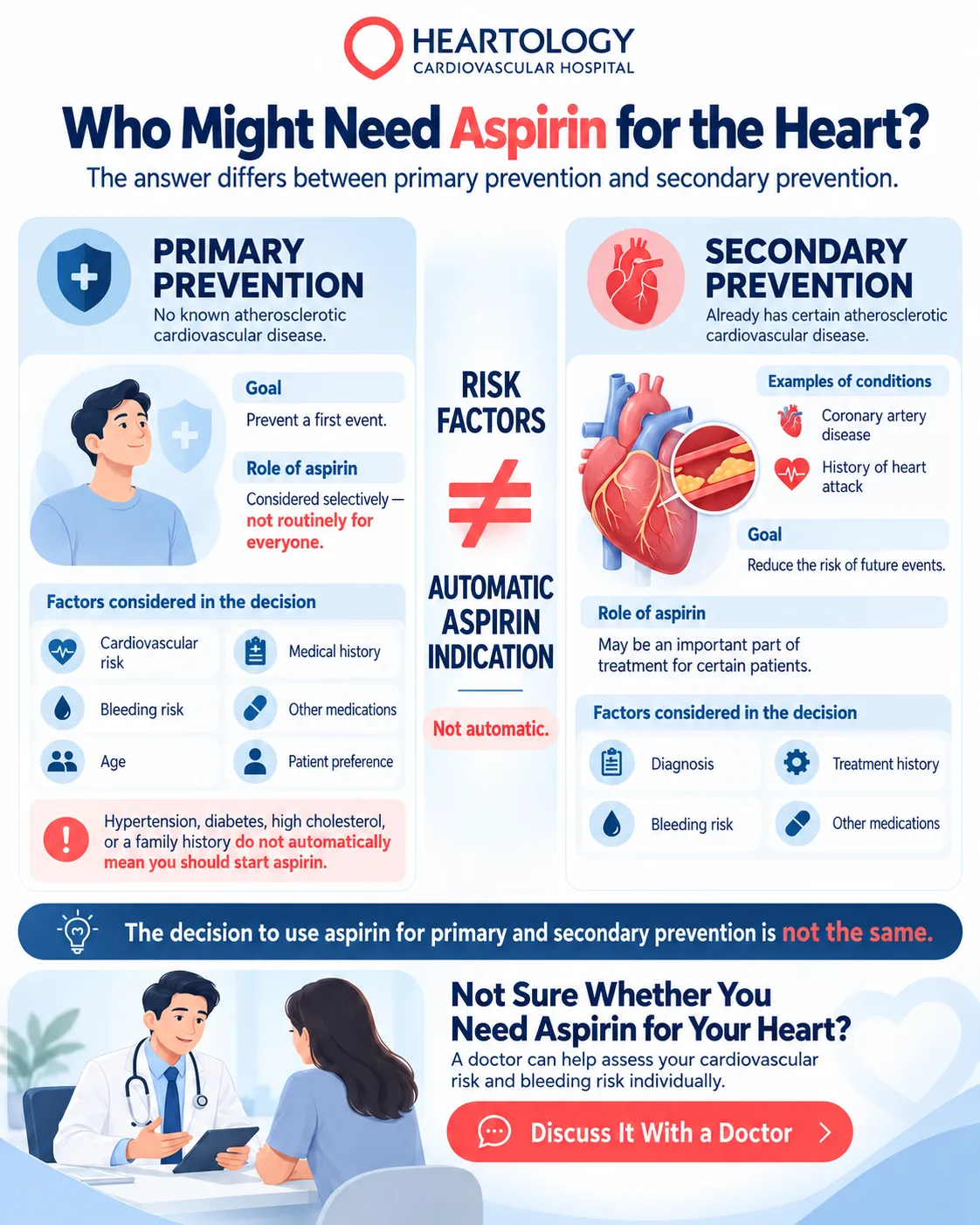
However, aspirin’s benefits differ between people who already have cardiovascular disease and those who have not experienced a cardiovascular event. This distinction is known as secondary prevention and primary prevention.
Aspirin to Prevent Another Heart Attack (Secondary Prevention)
Secondary prevention aims to reduce the risk of cardiovascular events in people who already have atherosclerotic cardiovascular disease, such as coronary artery disease or a history of heart attack.
For certain groups of patients, doctors may prescribe low-dose aspirin as part of long-term treatment.
The goal is to help reduce the formation of blood clots that could trigger another cardiovascular event.
For example, someone who has previously experienced a heart attack may still need aspirin even after returning to normal activities and no longer experiencing symptoms. Its benefit is not simply symptom relief but helping reduce the risk of another event.
The 2023 AHA/ACC guideline for chronic coronary disease recommends low-dose aspirin for many patients with chronic coronary disease who do not have an indication for oral anticoagulant therapy. However, doctors may choose other antiplatelet strategies for certain patient groups.
Aspirin can therefore play an important role in secondary prevention, but its use must be tailored to each patient’s diagnosis, treatment history, and bleeding risk.
Is Aspirin Necessary to Prevent a First Heart Attack? (Primary Prevention)
Primary prevention is intended for people without known atherosclerotic cardiovascular disease. Aspirin is not routinely recommended for everyone seeking to prevent a first heart attack.
Although aspirin can reduce blood clot formation, it also increases the risk of bleeding.
For some people, the potential preventive benefit is not large enough to outweigh this risk.
This is particularly important for older adults. Decisions about aspirin use should consider individual benefits and risks, rather than age or the result of a single medical test alone.
The 2022 recommendations from the U.S. Preventive Services Task Force (USPSTF) provide two important considerations:
- For adults aged 40–59 years with an estimated 10-year cardiovascular disease risk of 10% or greater, the decision to initiate low-dose aspirin for primary prevention should be made individually. The net benefit is considered small.
- For adults aged 60 years and older, the USPSTF recommends against initiating low-dose aspirin for primary prevention.
These recommendations apply to adults without known cardiovascular disease who are not at increased risk of bleeding. Because the guidelines originate from the United States, their application in Indonesia still requires clinical judgment.
This means that age or heart disease risk factors do not automatically justify starting daily aspirin.
If you have hypertension, diabetes, high cholesterol, or a family history of heart disease, your doctor can help assess your overall cardiovascular risk.
Importantly, primary prevention recommendations do not mean that patients taking aspirin because of a previous heart attack or coronary artery disease should stop their medication.
| Aspect | Primary Prevention | Secondary Prevention |
|---|---|---|
| Patient population | People without known atherosclerotic cardiovascular disease | People with certain established atherosclerotic cardiovascular conditions |
| Goal | Prevent a first event | Reduce the risk of subsequent events |
| Role of aspirin | Considered selectively, not routinely for everyone | May be an important part of treatment |
| Treatment decision | Based on individual benefits and risks | Based on diagnosis, other therapies, and patient-specific risks |
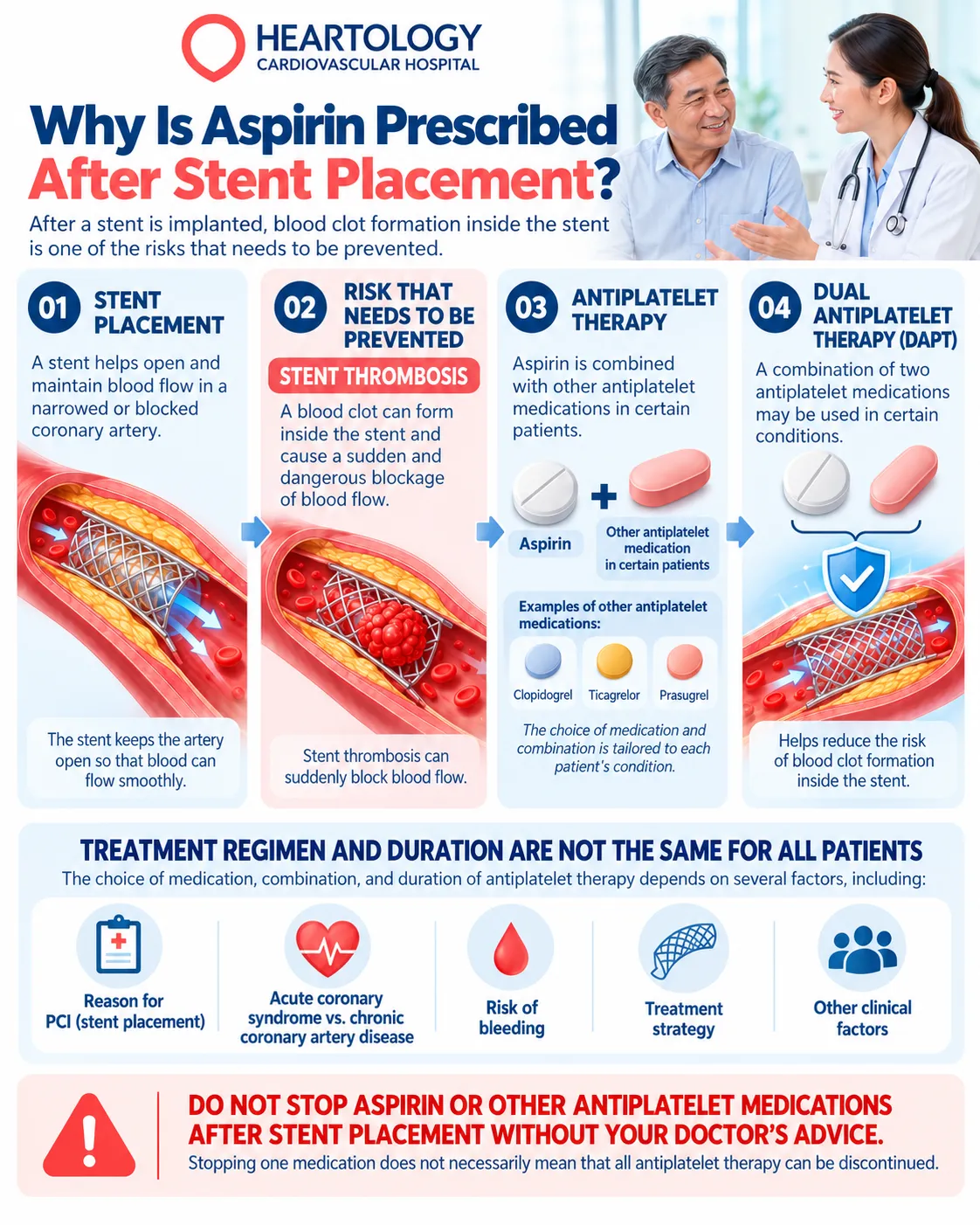
Why Is Aspirin Prescribed After Coronary Stent Placement?
Coronary stent placement is a procedure that helps open a narrowed or blocked coronary artery and maintain blood flow.
After a stent is placed, one important concern is preventing blood clots from forming inside it. This condition, known as stent thrombosis, can cause a sudden blockage that may trigger a heart attack.
To reduce this risk, doctors may prescribe antiplatelet medications.
For many patients, particularly after acute coronary syndrome, aspirin is used together with another antiplatelet medication, such as clopidogrel, ticagrelor, or prasugrel. This combination of two antiplatelet medications is called dual antiplatelet therapy (DAPT).
The 2025 ACC/AHA guideline for acute coronary syndromes explains that DAPT is an important strategy for reducing the risk of recurrent events. For patients who are not at high risk of bleeding, DAPT for at least 12 months is a standard strategy; alternative approaches may be selected according to the patient’s condition.
Meanwhile, patients undergoing stent placement for chronic coronary disease may receive different treatment regimens and durations.
Therefore, not every patient who undergoes coronary stent placement will receive the same combination of medications or treatment duration.
Do not stop taking aspirin or other antiplatelet medications after stent placement without your doctor’s instructions, even if your condition has improved.
Safety of Daily Aspirin Use
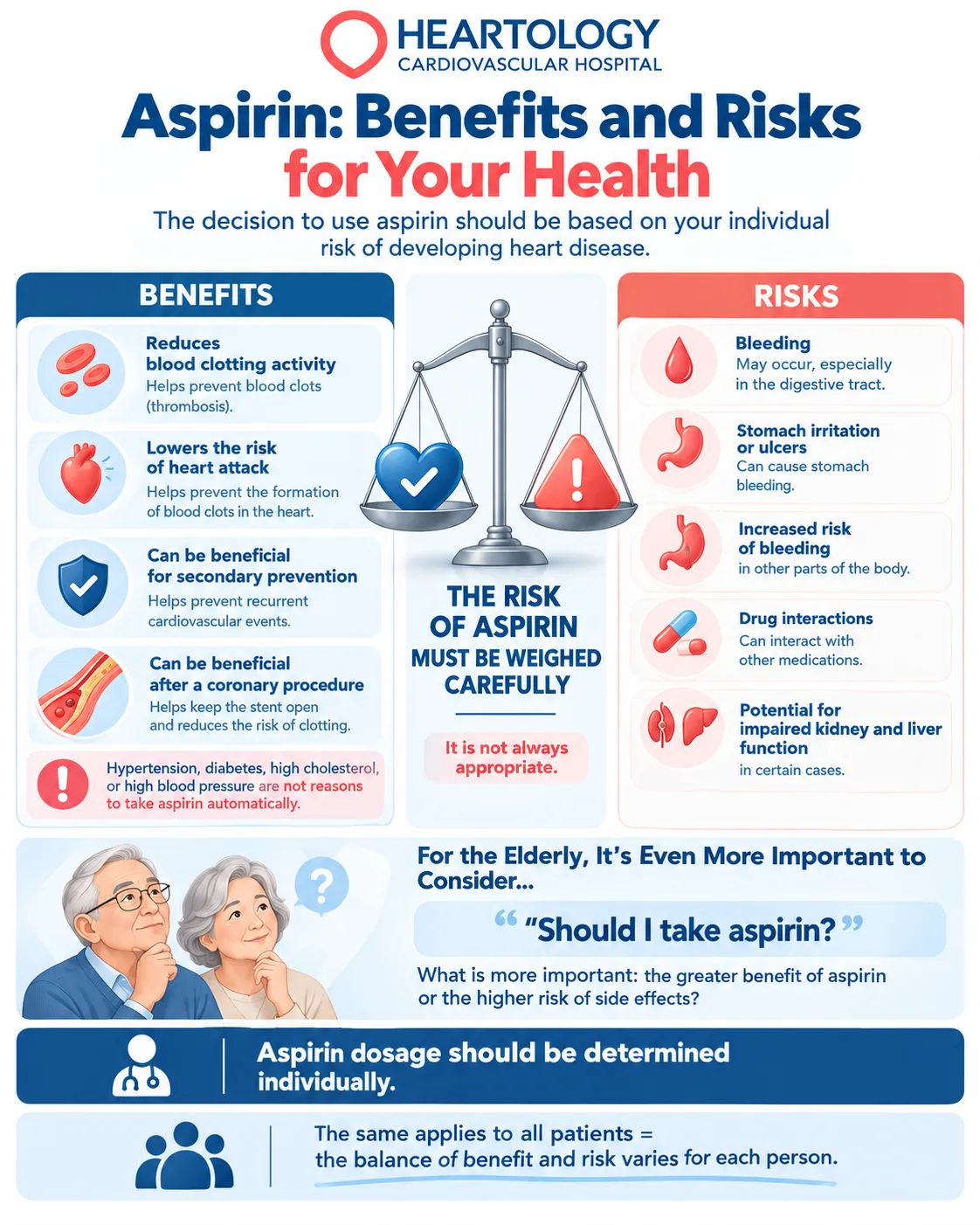
After understanding what aspirin is and its benefits for the heart, the next question is whether it is safe to take every day. Aspirin can be used daily by patients with appropriate medical indications, but it is not necessary or beneficial for everyone.
Aspirin inhibits platelet activity. This effect helps reduce blood clot formation, but it can also make bleeding more likely or cause bleeding to take longer to stop.
For this reason, doctors consider more than just the risk of heart disease when determining whether aspirin is needed.
A history of bleeding, gastrointestinal conditions, kidney or liver function, and the use of other medications can also influence treatment decisions.
Even low-dose aspirin carries a risk of side effects.
Is Aspirin Safe for Older Adults?
The safety of aspirin in older adults depends on the purpose of treatment and each individual’s health condition.
For example, a 65-year-old patient with a history of heart attack may need antiplatelet therapy to reduce the risk of another cardiovascular event.
In contrast, someone of the same age who does not have known atherosclerotic cardiovascular disease may not benefit from starting daily aspirin.
At older ages, bleeding risk is also an important consideration. In assessing this risk, doctors take several factors into account:
- History of heart disease or stroke.
- History of stomach ulcers or bleeding.
- Use of anticoagulants, other antiplatelet medications, or anti-inflammatory drugs.
- Kidney and liver health.
- The need for medical procedures or surgery.
Therefore, the question is not simply, “Is aspirin safe for older adults?” but rather, “Do the benefits of aspirin outweigh the risks for my condition?”
Do People With Hypertension or Diabetes Need Aspirin?
Hypertension and diabetes are factors that can increase the risk of cardiovascular disease. However, having one or both conditions does not automatically mean someone needs aspirin.
For people without established atherosclerotic cardiovascular disease, the decision to use aspirin for primary prevention requires an assessment of potential benefits and bleeding risks.
In contrast, treatment considerations may differ for patients who already have coronary artery disease or a history of heart attack.
Therefore, abnormal blood pressure, blood glucose, or cholesterol results are not reasons to start aspirin immediately.
Controlling blood pressure, blood glucose, cholesterol, and other risk factors remains an important part of maintaining heart health.
Side Effects of Aspirin
Aspirin’s side effects are primarily associated with gastrointestinal problems and an increased risk of bleeding. Symptoms may be mild, but in certain circumstances, they can become serious.
Not everyone taking aspirin will experience side effects. Nevertheless, recognizing the warning signs can help you understand when to consult a healthcare professional and when to seek immediate medical attention.
Side Effects That May Occur While Taking Aspirin
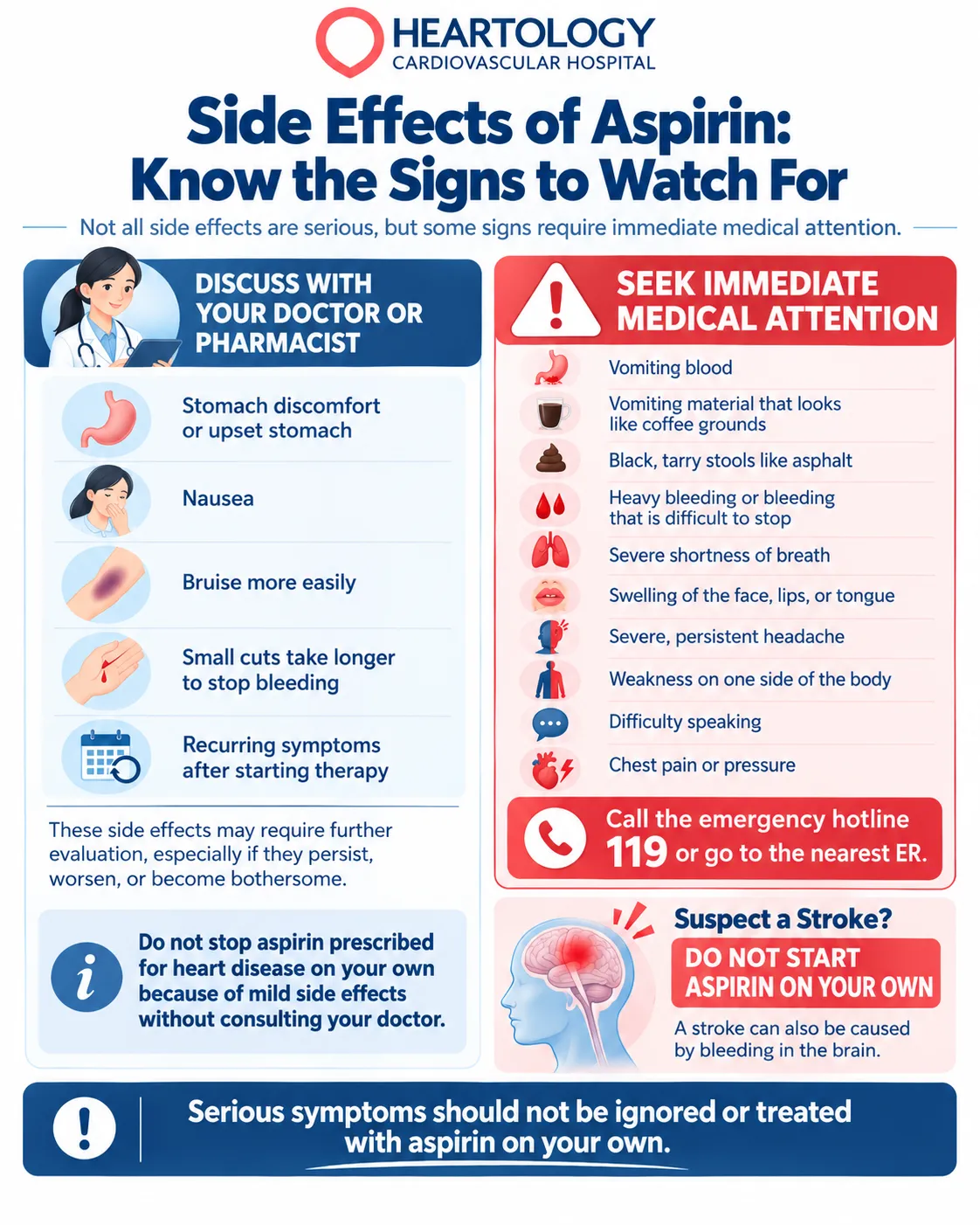
Possible side effects during aspirin use include:
- Stomach discomfort. Aspirin can cause indigestion or abdominal pain.
- Nausea. Some people may feel nauseated after taking aspirin.
- Easier bruising. Aspirin may make bruises appear more easily in some patients.
- Prolonged bleeding. Minor cuts or scratches may take longer to stop bleeding.
These symptoms do not always indicate a serious complication. However, recurring bleeding, persistent stomach discomfort, or changes in your condition after starting treatment should receive attention.
If aspirin has been prescribed for heart disease, do not stop taking it on your own simply because you experience mild symptoms. Contact your doctor or pharmacist to determine the appropriate next steps.
Signs of Bleeding or Serious Reactions to Aspirin
In addition to mild symptoms, aspirin can cause serious bleeding, particularly in the gastrointestinal tract.
Signs may include vomiting blood, dark vomit resembling coffee grounds, or black, tarry stools.
Severe bleeding or bleeding that is difficult to stop also requires immediate medical attention.
In some people, aspirin can cause a severe allergic reaction. Symptoms may include difficulty breathing, severe wheezing, or swelling of the face, tongue, or throat.
Not all of these symptoms are side effects of aspirin. However, each may indicate a serious medical condition that requires immediate treatment.
Do not wait for symptoms to improve or delay seeking help to try taking aspirin yourself. If emergency personnel provide instructions about aspirin for a suspected heart attack, inform them of your allergies, bleeding history, and medical conditions before following their directions.
If an acute stroke is suspected, do not start taking aspirin on your own because some strokes are caused by bleeding.
Conditions Requiring Special Precautions
Aspirin is not always appropriate for every health condition. Before using it, your doctor or pharmacist needs to know about your medical history, allergies, and any medications or supplements you currently take.
This information helps healthcare professionals assess possible side effects, interactions, and the need for treatment adjustments.
History of Gastric Problems, Stomach Ulcers, or Bleeding
Aspirin can disrupt the protective lining of the gastrointestinal tract while also increasing the risk of bleeding.
Therefore, it is important to tell your doctor if you have a history of stomach ulcers, gastrointestinal bleeding, or blood clotting disorders.
However, having stomach-related symptoms does not automatically mean that aspirin must never be used.
Your doctor will assess the type and severity of your gastrointestinal condition, the need for aspirin, and any associated risks. For certain patients, doctors may consider additional medication to help protect the gastrointestinal tract.
Remember that taking aspirin with food may help reduce stomach discomfort, but it does not eliminate the risk of ulcers or bleeding.
Taking Aspirin With Other Medications and Supplements
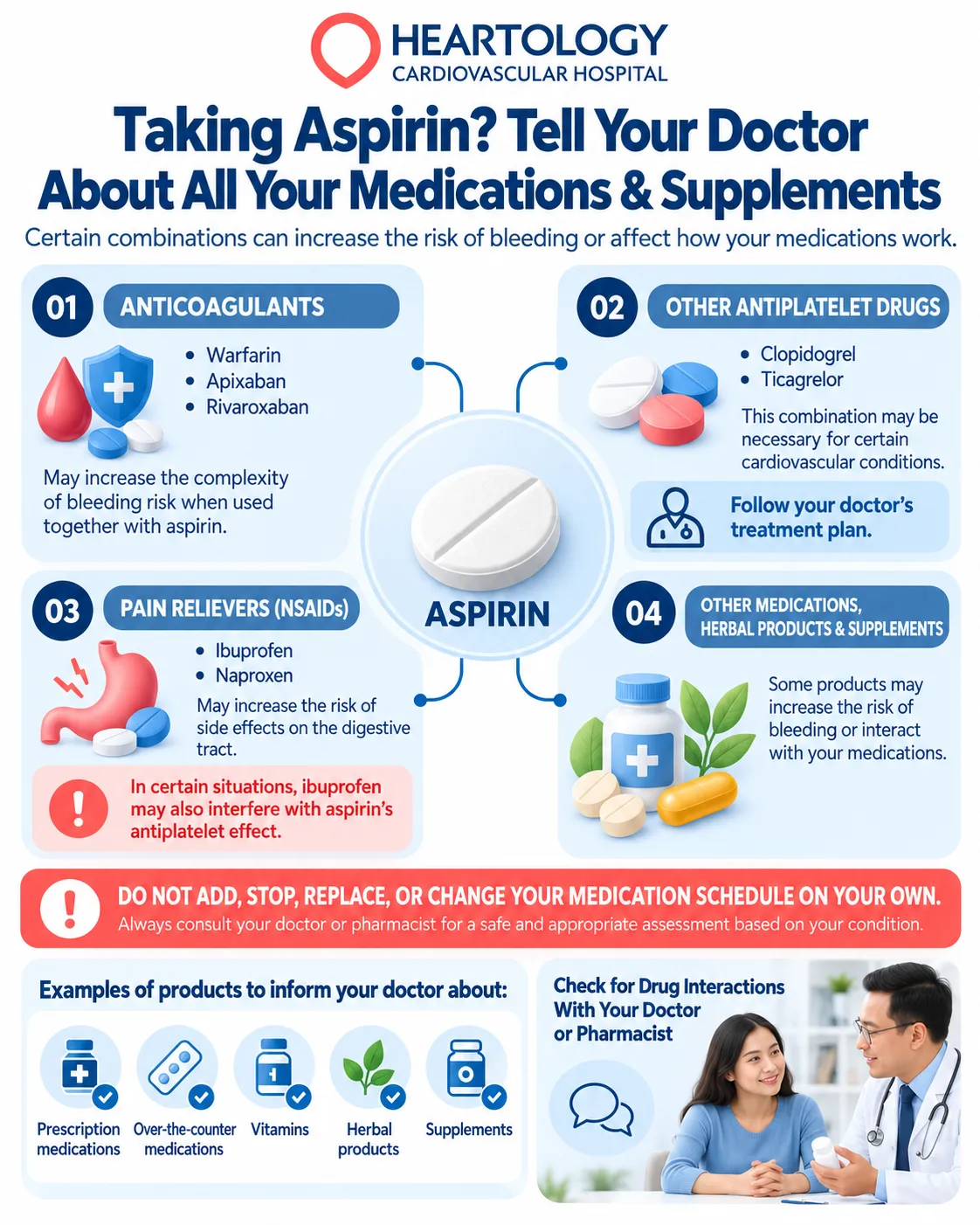
Aspirin can interact with several types of medications, particularly those that affect blood clotting.
Medications requiring particular attention include:
- Anticoagulants, such as warfarin, apixaban, or rivaroxaban.
- Other antiplatelet medications, such as clopidogrel or ticagrelor.
- Nonsteroidal anti-inflammatory drugs, such as ibuprofen and naproxen.
- Certain medications or supplements that may affect bleeding risk or medication activity.
Combining aspirin with other antiplatelet or anticoagulant medications may be necessary for certain cardiovascular conditions. However, such combinations must be based on medical assessment.
In addition to increasing the risk of gastrointestinal side effects when taken with aspirin, ibuprofen may interfere with aspirin’s antiplatelet effect under certain circumstances.
Therefore, do not combine medications or switch between them without medical guidance. During your consultation, provide information about all prescription medications, over-the-counter medicines, vitamins, supplements, and herbal products you use.
Aspirin Allergy, Asthma, Pregnancy, and Use in Children
Certain conditions require special consideration before aspirin is used. Anyone who has previously experienced an allergic reaction to aspirin or other NSAIDs should inform their doctor.
In some patients with asthma who are sensitive to aspirin or NSAIDs, taking these medications can trigger breathing problems.
Low-dose aspirin may be prescribed for certain pregnancy-related conditions, such as helping prevent preeclampsia in patients who meet the medical indications. Its use must follow the instructions of the treating physician.
Aspirin is generally not given to children under 16 years of age without a doctor’s prescription because of its association with Reye’s syndrome, a rare but serious condition that can affect the brain and liver.
Therefore, aspirin’s safety cannot be assumed to be the same for every patient group. The purpose of treatment and the individual’s health condition remain the main considerations.
How to Take Aspirin Correctly
Instructions for taking aspirin depend on the purpose of treatment, the medication’s strength, and guidance from healthcare professionals. Low-dose aspirin used for antiplatelet therapy has different instructions from aspirin used for pain relief.
Before taking aspirin, make sure you understand why you need it, the prescribed dose, and how to take the specific formulation.
What Is the Difference Between Low-Dose Aspirin and Aspirin for Pain Relief?
Low-dose aspirin is generally used to achieve an antiplatelet effect in certain medical conditions.
In guidelines for chronic coronary disease, low-dose aspirin ranges from 75–100 mg per day. Available products may come in different strengths, including 80 mg and 100 mg.
Aspirin used for pain relief, meanwhile, is usually available in higher-strength formulations and follows different dosing instructions.
These figures provide information about aspirin use in clinical settings. They are not recommendations for readers to choose their own doses.
Taking more aspirin does not provide greater protection against heart attacks. Instead, changing the dose without your doctor’s guidance may increase the likelihood of side effects.
Should Aspirin Be Taken in the Morning or at Night?
There is no single best time to take aspirin that applies to every patient.
Your doctor may determine the schedule based on the purpose of treatment, the type of formulation, and your health condition.
The most important consideration is to follow the prescribed schedule consistently.
If you are unsure when to take aspirin, ask your doctor or pharmacist.
Also, pay attention to the tablet formulation. Some aspirin products have a special coating and should not be crushed or chewed without appropriate instructions.
What Should You Do If You Forget to Take Aspirin?
If you forget a regularly prescribed dose of low-dose aspirin, check the medication instructions or your doctor’s guidance.
According to the NHS, a missed dose can generally be taken when you remember, unless it is nearly time for your next dose. If your next dose is due soon, skip the missed dose and continue with your usual schedule. Do not take a double dose to make up for the missed one.
However, instructions may vary depending on the product and clinical condition. If you have recently undergone stent placement or are taking multiple antiplatelet medications, consult a healthcare professional if you are unsure.
Can You Stop Taking Aspirin When You Feel Healthy?
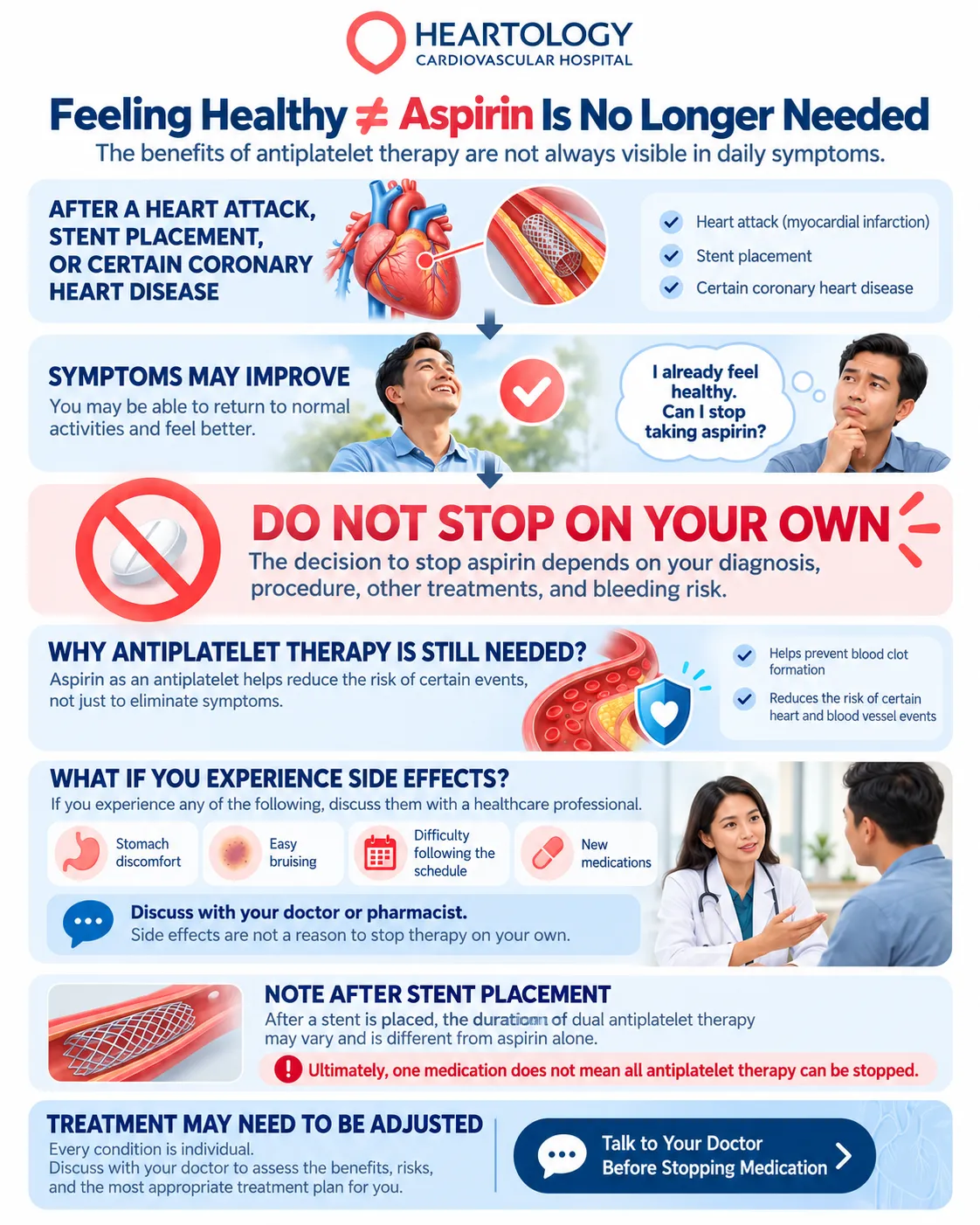
Do not stop taking aspirin prescribed for heart disease without consulting your doctor.
Aspirin is prescribed as an antiplatelet medication to help reduce the risk of certain cardiovascular events. Therefore, its benefits may not be apparent from changes in everyday symptoms.
Someone who feels healthy after a heart attack or stent placement may still need antiplatelet therapy.
On the other hand, not every patient needs to take aspirin for life. Doctors may reassess the need for treatment and its duration based on the diagnosis, procedures performed, other medications, and bleeding risk.
If you want to change your treatment because of stomach discomfort, easy bruising, or difficulty following your medication schedule, discuss these concerns with your doctor. This allows treatment decisions to be based on your individual circumstances.
When Should You Consult a Doctor?
A consultation about aspirin is appropriate when you want to confirm whether you need the medication, understand your prescription, discuss symptoms experienced during treatment, or consider changes to your therapy.
Not every question about aspirin requires emergency care. In many situations, a scheduled consultation provides an opportunity to thoroughly assess the medication’s benefits and risks.
Situations You Should Discuss With Your Doctor
Consider consulting your doctor if:
- You want to know whether aspirin is necessary to prevent a first heart attack.
- You have hypertension, diabetes, high cholesterol, or other risk factors and are unsure which preventive strategy is appropriate.
- You have previously experienced a heart attack or stroke, or undergone coronary stent placement, and want to understand the purpose of your treatment.
- You experience symptoms you suspect may be related to aspirin.
- You are taking several medications that may interact.
- You want to switch or stop aspirin that has been prescribed to you.
However, if you experience symptoms suggestive of a heart attack, acute stroke, serious bleeding, or a severe allergic reaction, seek emergency medical attention immediately. Do not wait for a scheduled consultation.
What Should You Prepare Before Your Consultation?
Simple preparation can help make your consultation more focused.
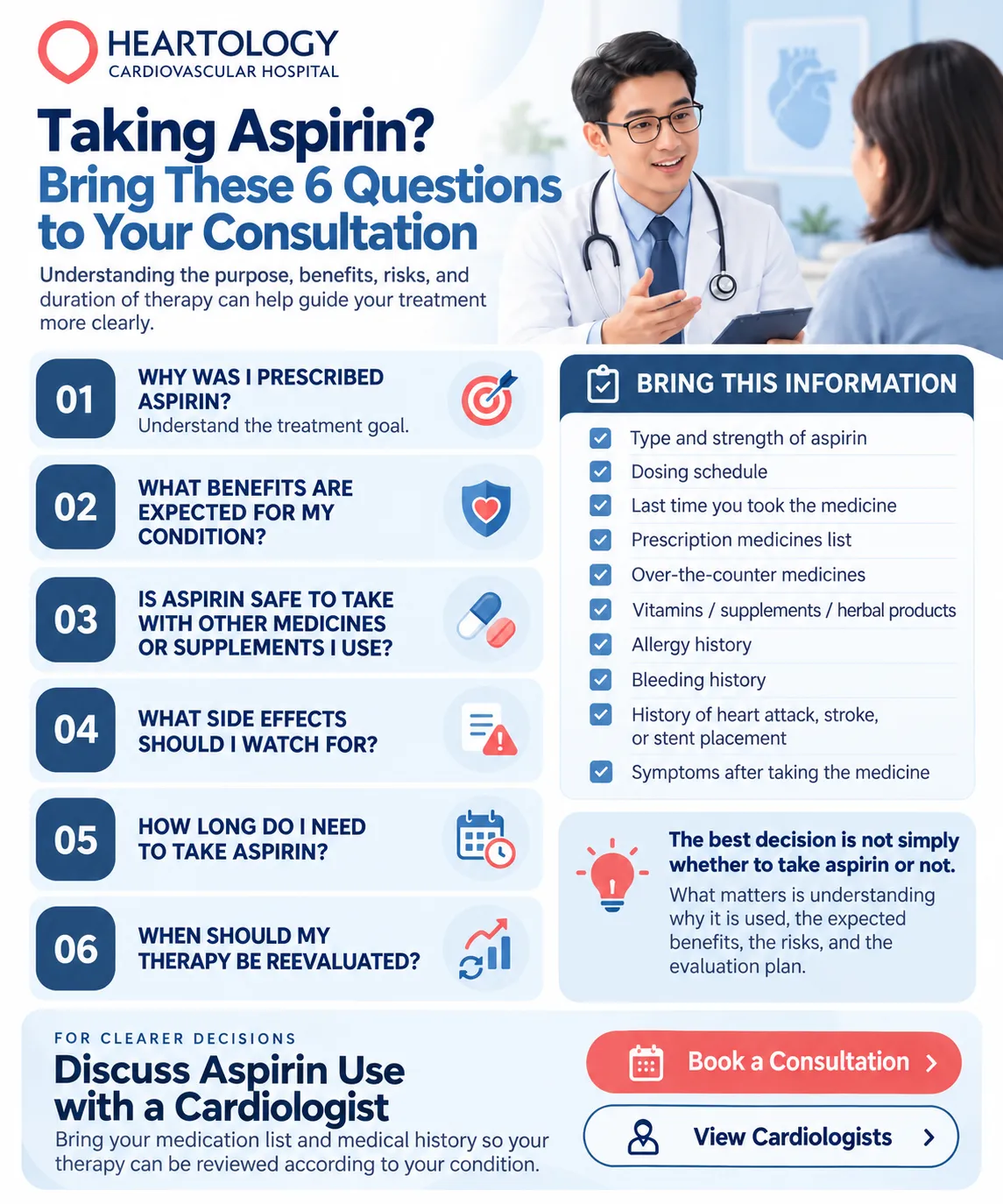
Before seeing your doctor, prepare the following information:
- The name and strength of the aspirin product you are taking.
- Your dosing schedule and the time you last took the medication.
- Any prescription medications, over-the-counter medicines, supplements, and herbal products you use.
- Your medical history, allergies, bleeding history, or previous cardiovascular procedures.
- Any symptoms that developed after taking the medication.
- Questions about the benefits, side effects, and duration of treatment.
This information helps your doctor understand your condition and assess whether your current treatment remains appropriate.
You can also prepare the following questions to guide the discussion about aspirin therapy:
- Why have I been prescribed aspirin?
- What benefits are expected for my condition?
- Is aspirin safe to take with my other medications or supplements?
- What side effects should I watch for?
- How long do I need to take aspirin?
- When should my treatment be reassessed?
Conclusion
Aspirin has several uses, ranging from relieving pain and reducing fever to helping reduce blood clot formation in certain medical conditions.
In the treatment of heart disease, aspirin can be an important part of reducing the risk of recurrent cardiovascular events. However, these benefits do not mean that everyone needs to take aspirin every day to prevent heart disease.
Aspirin use must take into account the purpose of treatment, medical history, potential side effects, and interactions with other medications.
By understanding what aspirin is, its benefits, and the risks to consider, you can approach treatment with greater clarity and take an active role in discussions with your doctor. If you have been prescribed aspirin, follow the instructions for its use and consult your doctor before making any changes to your treatment.
Caring for Every Heart.
Health Information: This article is intended for educational purposes and does not replace medical diagnosis, examination, or treatment advice from a doctor. If you suspect a heart attack or stroke, or experience serious bleeding or a severe allergic reaction, seek emergency medical attention immediately.
Keep as a reminder
Checklist before Your Consultation
Tick what you have prepared.
0 of 6 items checked
Checks are kept only while this page is open.
Next step
Want to Find the Right Doctor?
Learn about doctors by specialty and clinical focus before you decide on your next step.
The information on this page is for educational purposes and does not replace medical consultation, diagnosis, or treatment. For any health concerns, please consult a doctor directly.
Doctors Related to This Topic

dr. Puti S. Saus, Sp.JP(K)
Interventional Cardiology
Coronary Intervention Procedures
Clinical focusAcute Coronary Syndrome · Primary Coronary Intervention
View Profile
Dr. dr. Dafsah A. Juzar, Sp.JP(K)
Interventional Cardiology
Coronary Intervention Procedures +1 center
Clinical focusComplex Coronary Intervention · Cardiac Catheterization
View Profile
Dr. dr. Faris Basalamah, Sp.JP(K)
Interventional Cardiology
Coronary Intervention Procedures +1 center
Clinical focusComplex Coronary Intervention · Cardiac Electrophysiology
View ProfileFrequently Asked Questions.
Still have questions about taking aspirin? Below are answers to frequently asked questions, including whether daily aspirin use is safe, how aspirin differs from other medications, and its role in preventing heart attacks and strokes. This information helps clarify aspirin's potential benefits and risks so that its use can be tailored to your medical condition and your doctor's recommendations.
Is Aspirin a Blood Thinner?
Yes, aspirin is commonly called a blood thinner in everyday language. However, medically, it is an antiplatelet medication that reduces the ability of platelets to stick together. Its mechanism differs from that of anticoagulant medications, which act on the blood clotting system.
Is It Safe to Take Aspirin Every Day?
Aspirin can be taken daily when there is an appropriate medical indication. However, routine use is not necessary for everyone because it can increase the risk of bleeding. Your doctor will weigh the benefits and risks before determining whether treatment is needed.
Do People With Hypertension or Diabetes Need to Take Aspirin?
Not always. Hypertension and diabetes can increase the risk of cardiovascular disease, but they are not automatic reasons to take aspirin. The decision depends on your medical history, cardiovascular risk, and bleeding risk.
Is Aspirin Safe for People With Stomach Problems?
Its safety depends on the condition of the gastrointestinal tract and the patient's medical history. Aspirin can increase the risk of stomach ulcers and gastrointestinal bleeding. Therefore, tell your doctor about any history of stomach problems before taking it.
What Is the Difference Between Aspirin and Clopidogrel?
Aspirin and clopidogrel are both antiplatelet medications, but they work through different mechanisms. Doctors may prescribe either medication alone or combine them for certain conditions. These medications should not be substituted for one another without medical guidance.
Can Aspirin Be Used to Prevent Stroke?
Aspirin may be used to help prevent certain ischemic strokes, particularly in patients with indications for secondary prevention. However, aspirin is not appropriate for every type of stroke. In a stroke caused by bleeding, aspirin may worsen the condition. If symptoms of an acute stroke occur, seek emergency medical attention immediately and do not start taking aspirin on your own.
What Is the Difference Between Aspirin 80 mg and 100 mg?
The numbers 80 mg and 100 mg indicate different strengths of aspirin. Both are strengths that may be used for certain antiplatelet therapies. However, the dose must follow your doctor's prescription and should not be determined independently.
Can Aspirin Be Taken With Ibuprofen?
Taking aspirin with ibuprofen should be discussed with your doctor or pharmacist. Ibuprofen can interfere with aspirin's antiplatelet effect under certain circumstances. Combining the two may also increase the risk of gastrointestinal side effects. Do not determine the dosing schedule for these two medications on your own.
Do You Need to Take Aspirin for Life After Coronary Stent Placement?
Not always. The duration of antiplatelet therapy after stent placement depends on the patient's clinical condition, the reason for the procedure, and bleeding risk. Some patients need long-term treatment, while others may follow different treatment strategies. Do not stop taking your medication without your doctor's approval.
Sources and Transparency.

Reviewer
Translated from the Indonesian edition medically reviewed by dr. Adrianus Kosasih, Sp.JP(K), Cardiology and Vascular Medicine on October 20, 2026.
Sources as cited in the Indonesian edition.
- National Health Service (NHS). Aspirin: Medicine for Pain Relief or Preventing Blood Clots.
- U.S. Food and Drug Administration (FDA). Aspirin for Reducing Your Risk of Heart Attack and Stroke: Know the Facts.
- U.S. Preventive Services Task Force (USPSTF). (2022). Aspirin Use to Prevent Cardiovascular Disease: Preventive Medication.
- Virani, S. S., et al. (2023). 2023 AHA/ACC/ACCP/ASPC/NLA/PCNA Guideline for the Management of Patients With Chronic Coronary Disease: A Report of the American Heart Association/American College of Cardiology Joint Committee on Clinical Practice Guidelines. Journal of the American College of Cardiology.
- Rao, S. V., et al. (2025). 2025 ACC/AHA/ACEP/NAEMSP/SCAI Guideline for the Management of Patients With Acute Coronary Syndromes: A Report of the American College of Cardiology/American Heart Association Joint Committee on Clinical Practice Guidelines. Journal of the American College of Cardiology.
- American Heart Association (AHA). Aspirin and Dual Antiplatelet Therapy.
- U.S. Food and Drug Administration (FDA). Information About Taking Ibuprofen and Aspirin Together.
- Kementerian Kesehatan Republik Indonesia. (2024). Akses Darurat Medis 119 Kini Bisa Melalui SATUSEHAT Mobile.
The information on this page is for educational purposes and does not replace medical consultation, diagnosis, or treatment. For any health concerns, please consult a doctor directly.
If you find information that needs clarifying, let us know through our Contact Us page.