
Quick answer
What Is Cancer Therapy-Related Heart Disease?
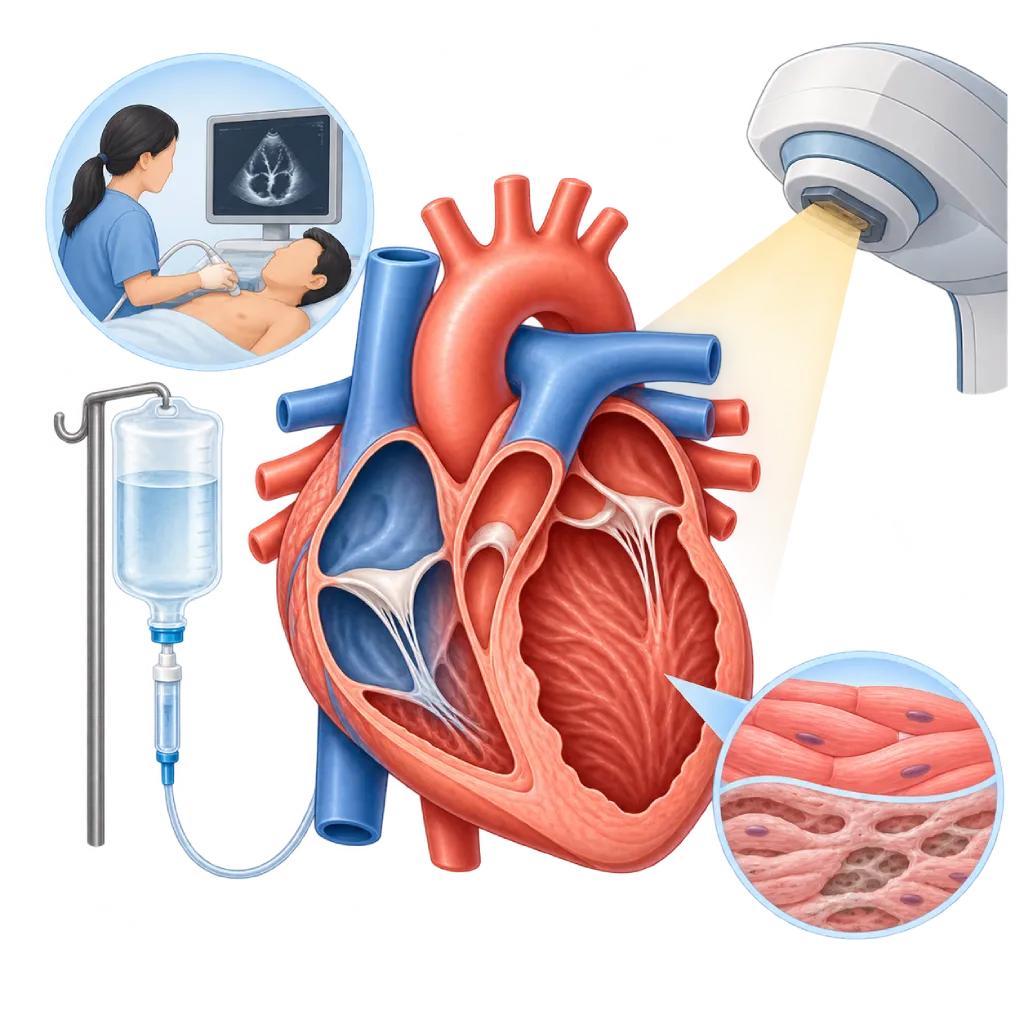
Cancer therapy-related heart disease is a heart and blood vessel problem caused by cancer medicines or chest radiation, such as a weakened heart pump, inflammation of the heart muscle, high blood pressure, rhythm disorders, or blood clots.
SourcesSigns That Need Urgent Help
- Severe chest pain or chest pain lasting more than a few minutes
- Severe shortness of breath at rest or a cough with frothy sputum
- Fainting or nearly fainting
- A very fast heartbeat with dizziness or weakness
- Sudden shortness of breath with chest pain when breathing in
- Chest pain, shortness of breath, or severe muscle weakness after immunotherapy
- Sudden facial drooping, arm weakness, or slurred speech
If these signs appear, go to the nearest emergency department right away or call Heart Attack Center 1500 258.
01 / Understanding the condition
About Cancer Therapy-Related Heart Disease
Cancer therapy-related heart disease, medically known as cardiotoxicity, is a heart and blood vessel disorder caused by cancer treatment. The 2022 cardio-oncology guidelines of the European Society of Cardiology (ESC) use a broader term: cancer therapy-related cardiovascular toxicity. It takes many forms: a weakened heart pump, inflammation of the heart muscle (myocarditis), high blood pressure, rhythm disorders, narrowing of the coronary arteries, blood clots, and even problems with the heart valves and the sac around the heart.
Treatments That Can Affect the Heart
Anthracycline drugs, such as doxorubicin, can damage heart muscle cells, and the risk increases with the total amount of the drug received. Drugs that target HER2 in breast cancer can reduce pumping strength, which usually recovers after the drug is paused and heart medicines are given. VEGF inhibitors and some tyrosine kinase inhibitors often raise blood pressure. Immune checkpoint inhibitor immunotherapy rarely causes myocarditis, but this myocarditis needs to be recognized quickly because it can be severe. Radiation to the chest area can speed up coronary narrowing and damage the valves, often only becoming apparent years later. Heart muscle damage from other substances, such as alcohol and narcotics, is covered on the Toxic Cardiomyopathy page.
Cardiologists and Oncologists Working Together
Cardio-oncology is a field that brings together cardiologists and oncologists. Its goal is not to delay cancer treatment but to help cancer treatment be completed safely. Before treatment begins, the doctor assesses heart risk based on the type of treatment, age, existing heart disease, and risk factors such as hypertension, diabetes, and smoking. The results of this assessment determine how often heart function is monitored.
Monitoring During and After Treatment
Monitoring usually uses echocardiography along with troponin and NT-proBNP blood tests. A decline in pumping function can often be found before it causes symptoms. If it is found, the cardiologist can start heart-protective medicines and then decide together with the oncologist whether cancer treatment continues, is paused temporarily, or is changed. In many cases, especially when the decline is mild, cancer treatment can continue. After treatment ends, high-risk cancer survivors still need regular heart checkups, because some effects only appear years later.
02 / Understanding the condition
Symptoms to Recognize.
Common Symptoms
Many changes in heart function cause no symptoms and are only detected through regular checkups.
- Shortness of breath during activity or when lying down
- Fatigue that feels heavier than usual during treatment
- Swollen legs or rapid weight gain
- Palpitations or a heartbeat that feels irregular
- Chest pain or pressure
- Dizziness or nearly fainting
- Rising blood pressure on home readings
03 / Understanding the condition
What Causes This Condition?
- Anthracycline chemotherapy, especially at a high total amount
- Drugs that target HER2, for example in breast cancer
- VEGF inhibitors and some tyrosine kinase inhibitors that raise blood pressure
- Immune checkpoint inhibitor immunotherapy, which can trigger myocarditis
- Certain drugs for myeloma and blood cancers that affect the heart muscle or blood vessels
- Radiation to the chest area that reaches the heart muscle, valves, or coronary arteries
- Certain hormone therapies, such as hormone-suppressing therapy for prostate cancer
- The cancer itself and some of its treatments, which make blood clots form more easily
04 / Understanding the condition
Who Is at Higher Risk?
Medical
High blood pressure, diabetes, high cholesterol, chronic kidney disease, and pre-existing heart disease, especially heart failure or already reduced pumping function, raise the risk.
Age
Children who receive anthracyclines or chest radiation and older adults are more vulnerable. In childhood cancer survivors, the effects can appear decades later.
Lifestyle
Smoking, obesity, lack of physical activity, and drinking too much alcohol add strain on the heart during and after cancer treatment.
Genetic
Certain heart muscle gene variants make some people more vulnerable to the effects of anthracyclines, even when they receive the same amount of the drug as others.
Other
A high total amount of anthracyclines, radiation that reaches the heart, a combination of several treatments that affect the heart, and a history of previous cancer treatment.
Groups at Higher Risk
- Childhood Cancer Survivors: Children who receive anthracyclines or chest radiation have a lifelong risk of heart problems and need long-term monitoring.
- Breast Cancer Patients: The combination of anthracyclines, HER2-targeted drugs, and left chest radiation can affect the heart, so heart function is monitored regularly.
- Older Adults with Heart Disease: Older adults and people with heart failure, coronary disease, or already reduced pumping function are more vulnerable to the effects of cancer treatment.
- People with High Blood Pressure and Diabetes: Both risk factors increase the chance of heart problems during treatment and should be controlled before treatment begins.
- Patients Receiving Immunotherapy: Immune checkpoint inhibitors, especially when combined, can trigger myocarditis, so new symptoms should be reported right away.
05 / Understanding the condition
How Is It Diagnosed?
Testing starts before cancer treatment. The doctor records the type and plan of treatment, any history of heart disease, and risk factors, then performs an ECG, echocardiography, and baseline blood tests such as troponin and NT-proBNP. These initial results serve as a reference, so small changes during treatment can be recognized.
During treatment, the tests are repeated according to the risk level and type of drug. The 2022 ESC guidelines define cancer therapy-related cardiac dysfunction as a drop in ejection fraction or a decrease in heart muscle strain compared with baseline, even before symptoms appear. If immunotherapy-related myocarditis is suspected, the doctor checks troponin, an ECG, and a cardiac MRI, and sometimes a heart muscle biopsy. In survivors who have had chest radiation, the doctor also checks for coronary disease and valve abnormalities regularly for many years after treatment.
Echocardiography
Assesses pumping strength (ejection fraction) and heart muscle strain before, during, and after treatment. A drop in strain can signal early damage before the ejection fraction falls.
Cardiac Troponin Test
A rise in troponin from the baseline value shows heart muscle injury, for example during anthracycline treatment or when immunotherapy-related myocarditis is suspected.
NT-proBNP and BNP Test
Helps assess the strain on the heart and, together with troponin, determine whether closer monitoring is needed.
Electrocardiogram (ECG)
Looks for rhythm disorders, QT interval prolongation caused by certain drugs, and signs of reduced blood flow to the heart muscle.
Cardiac MRI
Used when echocardiography results are unclear or myocarditis is suspected, to assess inflammation and scar tissue in the heart muscle.
Home Blood Pressure Monitoring
Regular measurement at home helps detect rising blood pressure caused by VEGF or tyrosine kinase inhibitors.
CT Coronary Angiography
Considered if there is chest pain or a history of chest radiation, to look for narrowing of the coronary arteries.
06 / Understanding the condition
Treatment Options.
Treatment is decided by a doctor after an assessment. The categories below can help you follow the conversation with your doctor.
Heart-Protective Medicines
ACE inhibitors or ARBs, beta blockers, and in some patients statins can be given when pumping function starts to decline, or from the start in high-risk patients, as decided by the doctor.
Adjusting Cancer Treatment
The cardiologist and oncologist decide together whether treatment continues with monitoring, is paused temporarily, or is changed, weighing the benefits of cancer treatment against heart safety.
Treating Immunotherapy-Related Myocarditis
Immunotherapy is stopped and the patient is hospitalized with rhythm monitoring. Corticosteroids are given as soon as possible, and other immunosuppressive drugs are considered if there is no improvement.
Heart Failure Medicines
If heart failure has developed, the doctor gives the classes of heart failure medicines recommended in guidelines, including diuretics if there is fluid buildup.
Blood Pressure Control
High blood pressure caused by cancer drugs is treated with blood pressure-lowering medicines chosen by the doctor, so cancer treatment can continue safely.
Risk Factor Control and Rehabilitation
Quitting smoking, regular physical activity, controlling blood sugar and cholesterol, and cardiac rehabilitation help protect the heart during and after treatment.
07 / Understanding the condition
Complications to Watch For.
Heart Failure
A weakened heart pump can cause shortness of breath and swelling. Early treatment helps the pump function recover or keeps it from weakening further. Covered on the Heart Failure page.
Immunotherapy-Related Myocarditis
Inflammation of the heart muscle that is rare but can be severe, usually appearing within the first three months of immunotherapy, so it needs prompt treatment.
Heart Rhythm Disorders
Atrial fibrillation and QT interval prolongation can be triggered by certain cancer drugs, infections, or electrolyte imbalances during treatment.
Coronary and Valve Disease After Radiation
Chest radiation can speed up narrowing of the coronary arteries and damage the valves, often only appearing ten years or more after treatment.
High Blood Pressure
Blood pressure can rise sharply during treatment with VEGF inhibitors, so it needs to be measured regularly and treated so that cancer treatment can continue.
Venous Thrombosis and Pulmonary Embolism
Cancer and some of its treatments make clots form more easily in the leg veins, and these can travel to the lungs, covered on the Deep Vein Thrombosis page.
08 / Understanding the condition
What Can You Do?
- Have a heart risk assessment before starting chemotherapy, targeted therapy, immunotherapy, or chest radiation
- Follow the schedule for echocardiography and blood tests during treatment even if you feel well
- Measure your blood pressure at home regularly if you receive medicines that can raise blood pressure
- Control high blood pressure, diabetes, and cholesterol before and during treatment
- Quit smoking and stay active within your ability
- Keep a record of your cancer medicines, their total amounts, and the radiation area to bring to follow-up visits
- After treatment ends, ask your doctor about a long-term heart checkup schedule
09 / Understanding the condition
When Should You See a Doctor?
Go to the emergency room right away if you develop severe chest pain, severe shortness of breath, fainting, or a very fast heartbeat, and mention the cancer treatment you are having. Make an appointment with a cardiologist if:
- You are about to start cancer treatment and have heart disease, high blood pressure, or diabetes, or are older
- Shortness of breath, swollen legs, or increasing fatigue appear during treatment
- The blood pressure you measure at home rises during treatment
- Chest pain, palpitations, shortness of breath, or muscle weakness appear in the first few months of immunotherapy; contact your treatment team the same day
- You are a cancer survivor who received anthracyclines or chest radiation in the past, even without symptoms
Don't Wait in an Emergency.
If symptoms are severe or come on suddenly, go to the nearest emergency department right away or call Heart Attack Center 1500 258, rather than waiting for an appointment.
10 / Common questions
Questions You May Have.
Frequently asked questions about cancer therapy-related heart disease.
Do I have to delay cancer treatment if I have heart problems?
Not always. In many patients, cancer treatment can continue with more frequent monitoring and heart-protective medicines. The cardiologist and oncologist weigh the benefits of cancer treatment and its risks to the heart together. If heart function drops considerably, treatment can be paused temporarily or switched to an option that is safer for the heart, then resumed once the heart has improved.
Do all cancer medicines damage the heart?
No. Many cancer medicines have no meaningful effect on the heart, and most patients complete treatment without significant heart problems. The risk depends on the type of drug, the total amount received, chest radiation, age, and the condition of the heart beforehand. For this reason, the doctor assesses each patient's risk before treatment and adjusts the monitoring schedule to that risk level.
Why do I need echocardiography if I have no symptoms?
A decline in pumping function often causes no symptoms at first. Echocardiography, including measurement of heart muscle strain, can detect small changes compared with results before treatment. If found early, heart-protective medicines can be started right away, and research shows that heart function recovers more often when treatment starts early. This test uses no radiation and is painless.
Can heart damage from chemotherapy recover?
In some cases, yes. A decline in function caused by HER2-targeted drugs usually recovers after the drug is paused and heart medicines are given. With anthracyclines, research has found that heart function recovers, partly or fully, in many patients treated early with heart failure medicines. If the damage is found late, recovery tends to be smaller, so regular monitoring is important.
What should I watch for during immunotherapy?
Immune checkpoint inhibitor immunotherapy can trigger inflammation in various organs, including the heart muscle. Myocarditis is rare, usually occurs within the first three months, and may come with muscle pain or weakness, drooping eyelids, or double vision. If you develop chest pain, shortness of breath, palpitations, or muscle weakness, contact your treatment team or go to the emergency room right away, because prompt treatment makes a difference to the outcome.
I have been a cancer survivor since childhood. Do I still need heart checkups?
Yes, if you received anthracyclines or radiation to the chest area in the past. The effects on the heart can appear decades later, even without symptoms. Tell your cardiologist about your treatment history, ideally by bringing a treatment summary from your oncologist. The doctor will set a schedule for echocardiography and other tests based on that history.
Sources and Medical Review
Translated from the Indonesian edition medically reviewed by dr. Sri Diniharini, Sp.JP(K).
Sources as cited in the Indonesian edition.
- Lyon AR, López-Fernández T, Couch LS, Asteggiano R, Aznar MC, Bergler-Klein J, et al. 2022 ESC Guidelines on cardio-oncology developed in collaboration with the European Hematology Association (EHA), the European Society for Therapeutic Radiology and Oncology (ESTRO) and the International Cardio-Oncology Society (IC-OS). Eur Heart J. 2022;43(41):4229-361.
- Herrmann J, Lenihan D, Armenian S, Barac A, Blaes A, Cardinale D, et al. Defining cardiovascular toxicities of cancer therapies: an International Cardio-Oncology Society (IC-OS) consensus statement. Eur Heart J. 2022;43(4):280-99.
- Lyon AR, Dent S, Stanway S, Earl H, Brezden-Masley C, Cohen-Solal A, et al. Baseline cardiovascular risk assessment in cancer patients scheduled to receive cardiotoxic cancer therapies: a position statement and new risk assessment tools from the Cardio-Oncology Study Group of the Heart Failure Association of the European Society of Cardiology in collaboration with the International Cardio-Oncology Society. Eur J Heart Fail. 2020;22(11):1945-60.
- Cardinale D, Colombo A, Bacchiani G, Tedeschi I, Meroni CA, Veglia F, et al. Early detection of anthracycline cardiotoxicity and improvement with heart failure therapy. Circulation. 2015;131(22):1981-8.
- Thavendiranathan P, Negishi T, Somerset E, Negishi K, Penicka M, Lemieux J, et al. Strain-Guided Management of Potentially Cardiotoxic Cancer Therapy. J Am Coll Cardiol. 2021;77(4):392-401.
- Mahmood SS, Fradley MG, Cohen JV, Nohria A, Reynolds KL, Heinzerling LM, et al. Myocarditis in Patients Treated With Immune Checkpoint Inhibitors. J Am Coll Cardiol. 2018;71(16):1755-64.
- Darby SC, Ewertz M, McGale P, Bennet AM, Blom-Goldman U, Brønnum D, et al. Risk of ischemic heart disease in women after radiotherapy for breast cancer. N Engl J Med. 2013;368(11):987-98.
Doctors Who Treat This Condition

Dr. med. dr. Denio A. Ridjab, Sp.JP(K)
Interventional Cardiology
Coronary Intervention Procedures +2 centers
Clinical focusInterventional Cardiology · Coronary Artery Disease
View Profile
dr. Sri Diniharini, Sp.JP(K)
Echocardiography & Cardiovascular Imaging
Cardiovascular Diagnostic Center +1 center
Clinical focusAdvanced Echocardiography · Transesophageal Echocardiography
View Profile
dr. Siska S. Danny, Sp.JP(K)
Interventional Cardiology
Coronary Intervention Procedures
Clinical focusPCI for Acute Coronary Syndrome · Primary Coronary Intervention
View Profile