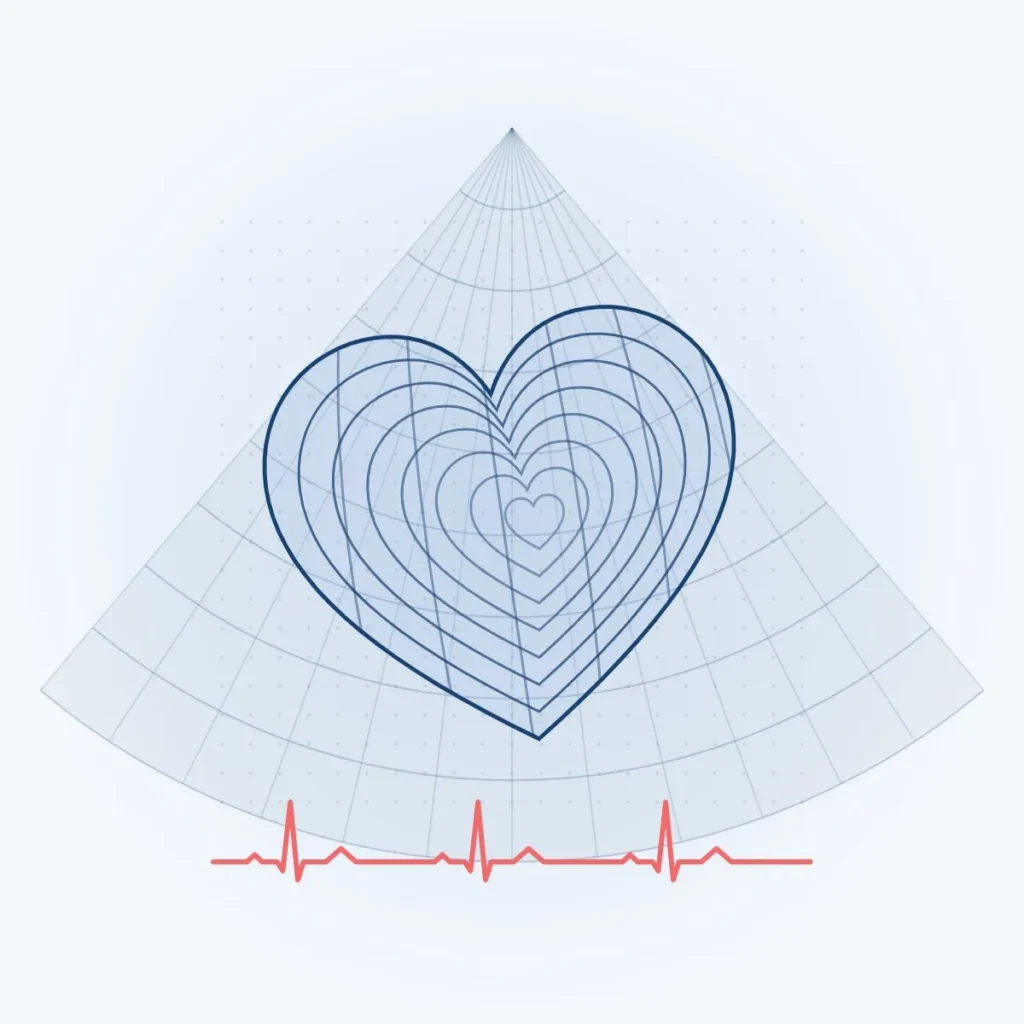
Electrocardiography (ECG)
A 12-lead ECG records the heart's electrical activity to assess its rhythm, signs of reduced blood flow to the heart muscle, and conduction problems.
Center of Excellence
Heart and Vascular Diagnostic Center
The Cardiovascular Diagnostic Center at Heartology Cardiovascular Hospital provides heart and blood vessel testing for screening, finding the cause of symptoms, monitoring diagnosed conditions, and evaluation before surgery.
Indonesian edition updated October 19, 2026
Scope of care
The Cardiovascular Diagnostic Center at Heartology Cardiovascular Hospital provides heart and blood vessel tests such as ECG, echocardiography, treadmill testing, Holter monitoring, vascular ultrasound, and cardiac CT. It is for you if you want heart risk screening, have symptoms such as chest pain, shortness of breath, or palpitations, need to monitor a known heart condition, or are preparing for surgery.
A 12-lead ECG records the heart's electrical activity to assess its rhythm, signs of reduced blood flow to the heart muscle, and conduction problems.
A heart ultrasound to view the structure, valves, and pumping function of the heart, including transesophageal echocardiography (TEE) when a clearer image is needed.
Imaging of the heart and coronary arteries without a catheter, for example to assess coronary calcium and narrowing of the heart's arteries.
An ECG recorded while you walk on a treadmill at gradually increasing effort to assess how your heart responds to physical activity.
Continuous ECG recording with a small device you wear during daily activities, to capture rhythm problems that may not appear on a standard ECG.
A heart ultrasound performed while the heart is under stress, from exercise or medication, to assess how the heart muscle moves when it works harder.
An ultrasound to assess the structure and blood flow of the neck arteries, leg arteries, and veins.
Center profile
The Cardiovascular Diagnostic Center provides heart and blood vessel testing at Heartology Cardiovascular Hospital. It serves healthy people who want to know their risk of heart disease, people with symptoms such as chest pain, shortness of breath, palpitations, or fatigue, people who need to monitor a diagnosed heart condition, and people who need a heart evaluation before surgery.
Available tests include ECG, 4D echocardiography including transesophageal echocardiography (TEE), treadmill testing, stress echocardiography, Holter monitoring, duplex vascular ultrasound, and the 512-slice CT scan for imaging the heart and coronary arteries. These tests help doctors assess coronary artery disease, heart rhythm disorders, valve disease, cardiomyopathy, heart failure, and blood vessel conditions.
Tests are chosen based on your symptoms and risk factors, usually starting with basic tests such as ECG and echocardiography and adding other tests when needed. Results are read by specialist doctors and explained to you in a consultation, including whether further tests are needed. If a condition that needs further treatment is found, your doctor can refer you to another specialist center at Heartology using the test results you already have. Heartology Cardiovascular Hospital holds Paripurna accreditation from LAM-KPRS, an Indonesian hospital accreditation body.
Many tests are done on an outpatient basis, so you can go home the same day. Some tests require preparation, such as fasting or adjusting certain medications as directed by your doctor, and staff will give you instructions when you schedule. For tests that use contrast dye, your doctor may ask for a kidney function test first.
Approach to care
ECG, echocardiography, treadmill testing, Holter monitoring, vascular ultrasound, and cardiac CT are available at the same hospital. Tests can be scheduled in sequence as needed, so you do not have to visit different facilities to complete your evaluation.
Your doctor chooses tests based on your symptoms, health history, and risk factors, starting with basic tests such as ECG and echocardiography. Further tests such as a cardiac CT scan or stress echocardiography are added when initial results or symptoms call for them.
Test results are read by specialist doctors and then explained to you in a consultation. You will learn what the results mean, whether you need additional tests, and what the next steps in your care are.
If tests find a condition that needs further treatment, your doctor can refer you to another Heartology center, for example for coronary artery disease, arrhythmia, or heart valve disease. Existing results are shared, so your evaluation does not need to start over.
4D echocardiography records moving three-dimensional images of the heart to assess the valves, chambers, and pumping function. In certain cases, such as valve disease or procedure planning, your doctor may perform transesophageal echocardiography (TEE) through the esophagus for a clearer image.
Center team
See each doctor's clinical focus and practice schedule on their profile. Listed by name, not by ranking.
Echocardiography & Cardiovascular Imaging
Cardiovascular Diagnostic Center +2 centers
Clinical focusAdvanced and 3D Echocardiography · Transesophageal Echocardiography
View Profile
Radiology
Cardiovascular Diagnostic Center
Clinical focusDiagnostic Radiology · Radiography (X-Ray)
View Profile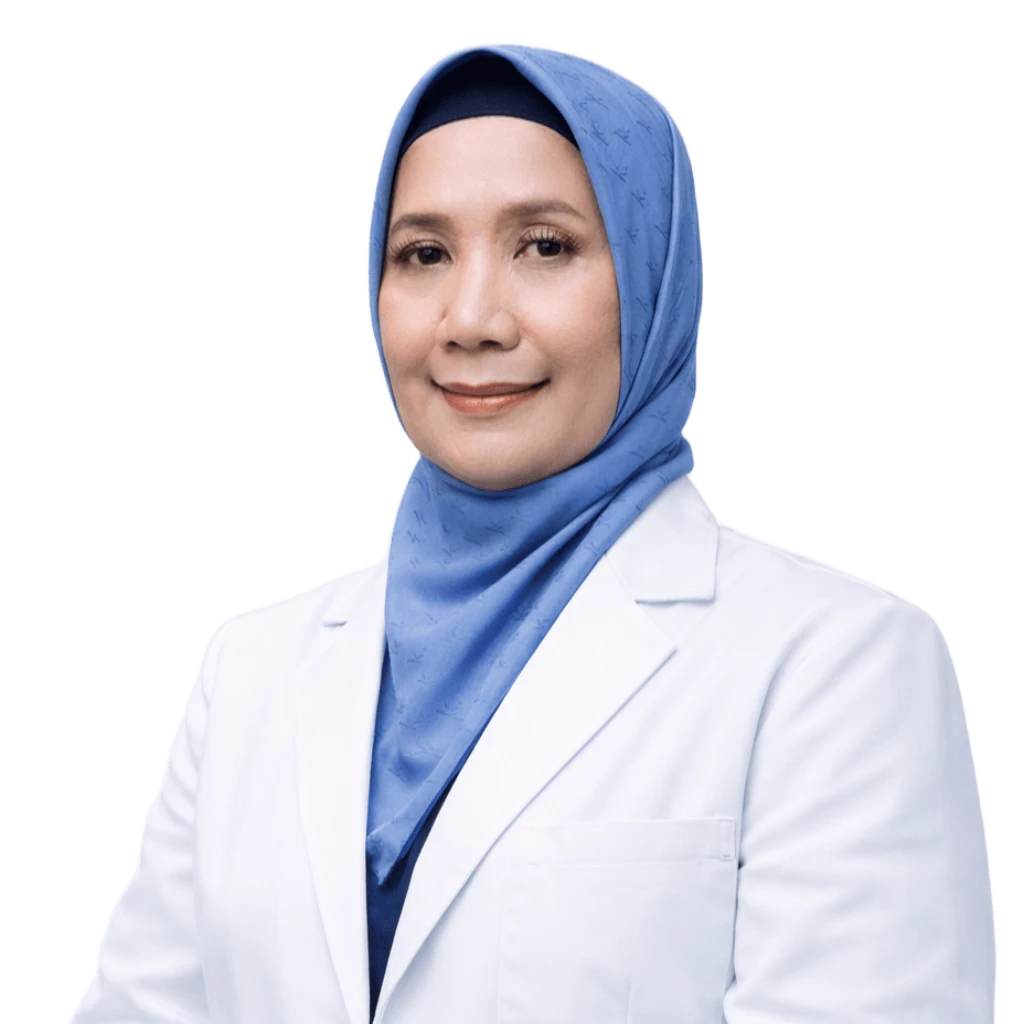
Echocardiography & Cardiovascular Imaging
Cardiovascular Diagnostic Center +1 center
Clinical focusAdvanced Echocardiography · Transesophageal Echocardiography
View Profile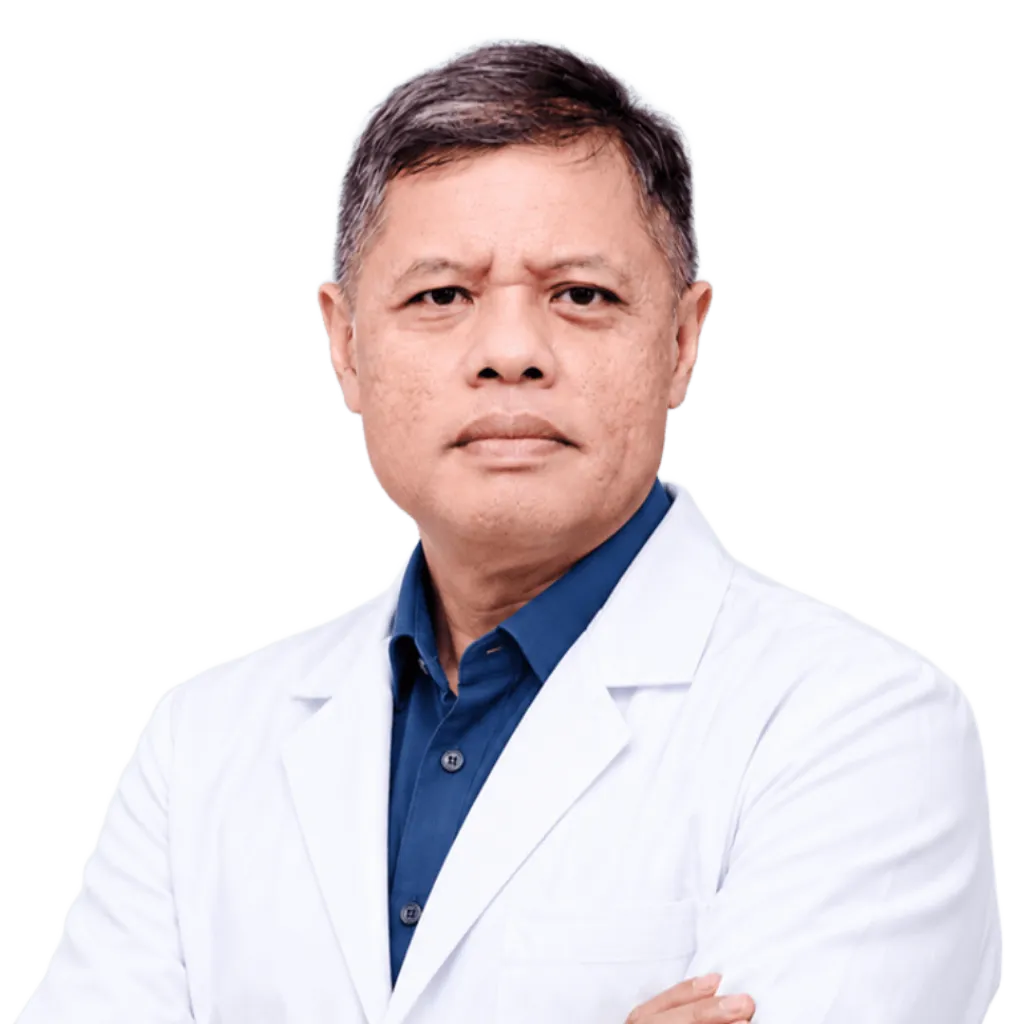
Radiology
Cardiovascular Diagnostic Center
Clinical focusDiagnostic Radiology · CT Scan
View ProfileSupporting care
Tests and technology are used according to need, not as the same package for every patient.
A CT scanner that produces up to 512 image slices in a single rotation to show the coronary arteries, calcium in the artery walls, the aorta, and heart structures. The scan uses…
An ultrasound scan of the heart that records three-dimensional images in real time to assess pumping function, the valves, and heart structure. It helps your doctor diagnose and…
A testing system that records your ECG, heart rate, and blood pressure while you walk on a treadmill as the workload increases in stages. It helps your doctor assess how your…
A small ECG recorder that you wear during daily activities to monitor your heart rhythm continuously for 24 to 48 hours or longer. It helps your doctor find heart rhythm problems…
An ultrasound test of the blood vessels that shows the vessel wall and the blood flow at the same time. Doctors use it to look for narrowings, blockages, clots, or leaky vein…
Learn more
Get to know the terms and services that may come up during a consultation. This information is educational, not a diagnosis.
Here are common questions about heart and blood vessel testing at Heartology.
Have your heart checked if you have chest pain or pressure, shortness of breath during activity, palpitations, unusual fatigue, fainting, or leg swelling. Testing is also useful if you have high blood pressure, diabetes, high cholesterol, a smoking habit, or a family history of heart disease. Severe chest pain lasting more than a few minutes, especially with cold sweats or shortness of breath, is an emergency; go to the nearest emergency department right away.
At your first visit, your doctor asks about your symptoms and health history, checks your blood pressure, and usually performs an ECG. Echocardiography is often added to look at the heart's structure and pumping function. If your symptoms suggest coronary artery disease, your doctor may recommend a treadmill test, stress echocardiography, or a cardiac CT scan. For palpitations that come and go, Holter monitoring can help. Tests are chosen based on your condition.
Bring your ID, a referral letter if you have one, previous results such as ECG, echocardiography, or lab tests, and a list of the medications you take. For a treadmill test, wear comfortable clothes and shoes for walking. Some tests require fasting or medication adjustments, such as a cardiac CT scan with contrast or transesophageal echocardiography, so follow the instructions given when you schedule. Let staff know if you have allergies or kidney problems.
Many tests, such as ECG, echocardiography, Holter monitoring, and vascular ultrasound, are painless and do not use needles. A treadmill test is supervised by medical staff and can be stopped if you develop symptoms. A cardiac CT scan uses X-rays and may require contrast dye through an IV, so your doctor weighs the benefits and risks first. Transesophageal echocardiography is usually done with light sedation.
Your results are read by specialist doctors and explained to you in a consultation. The time needed for results differs by test; Holter monitoring and cardiac CT, for example, need time to be analyzed. Your doctor will explain what the results mean, whether you need more tests, and the next steps, including referral to another specialist center if needed.
Contact our team for service information and referral coordination to this center.
Know your heart condition early.
Heart tests can feel worrying, especially when the cause of your symptoms is unclear. Book a consultation so a doctor can choose suitable tests and explain the results to you.
View Checkup PackagesThe information on this page is for educational purposes and does not replace medical consultation, diagnosis, or treatment. For any health concerns, please consult a doctor directly.