
Quick answer
What Is Blood Sugar Test?
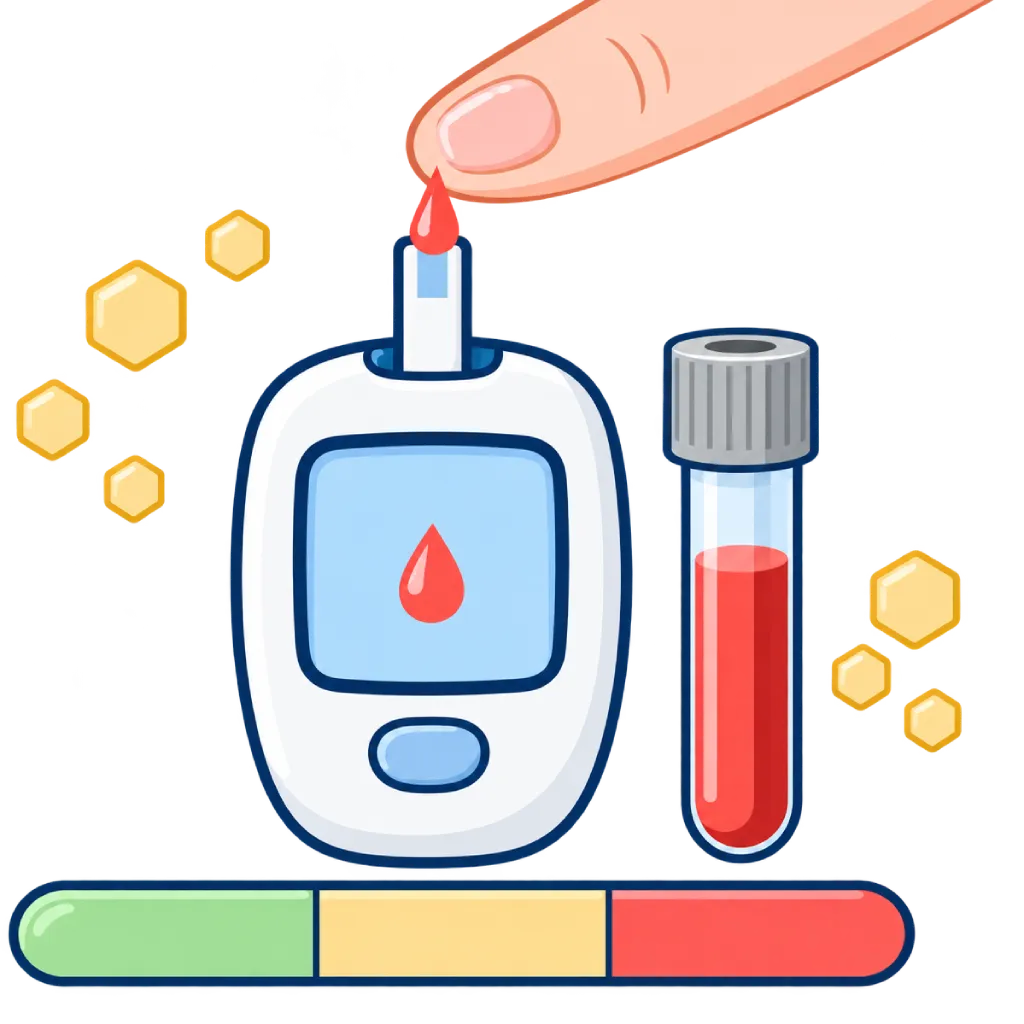
A blood sugar test measures the glucose level in your blood when the sample is taken. Types include fasting blood sugar, random blood sugar, and the oral glucose tolerance test. A fasting blood sugar of 126 mg/dL or higher may indicate diabetes, while 100 to 125 mg/dL indicates prediabetes. Results are usually confirmed with a repeat test.
Sources01 / Understanding the procedure
About Blood Sugar Test
What Is a Blood Sugar Test
Blood sugar, or glucose, is the body's main source of energy, and its level is regulated by the hormone insulin. If there is not enough insulin or it does not work properly, blood sugar rises and over time damages the blood vessels, heart, kidneys, eyes, and nerves. A blood sugar test measures the glucose level at the time the blood is drawn.
How It Works in Brief
Blood is drawn from a vein in the arm or from a fingertip, and its glucose level is measured in mg/dL. The result is read according to the type of test, because the cutoffs for fasting blood sugar differ from those for blood sugar after eating.
Types of Blood Sugar Tests
- Fasting blood sugar: taken after fasting for at least 8 hours. Often used for screening and diagnosis.
- Random blood sugar: taken at any time without fasting, useful when there are symptoms or in urgent situations.
- Oral glucose tolerance test (OGTT): blood sugar is checked before and 2 hours after drinking a sugar solution. It is more sensitive for detecting diabetes and prediabetes.
- Fingertip blood sugar: uses a small meter, for quick checks or daily monitoring.
Reading the Results
- Fasting blood sugar: below 100 mg/dL is normal, 100 to 125 mg/dL is prediabetes, and 126 mg/dL or higher may indicate diabetes.
- Two hours after the OGTT: below 140 mg/dL is normal, 140 to 199 mg/dL is prediabetes, and 200 mg/dL or higher may indicate diabetes.
- Random blood sugar: 200 mg/dL or higher with typical symptoms may indicate diabetes.
- Below 70 mg/dL: low blood sugar, or hypoglycemia, which needs prompt treatment if it comes with symptoms.
A diabetes diagnosis is usually confirmed with a repeat test or another test such as HbA1c. Your doctor interprets the results together with your symptoms and the medications you take.
Blood Sugar and Heart Health
Diabetes and prediabetes increase the risk of coronary artery disease, stroke, and heart failure, and they are often still undiagnosed when a person comes in with heart symptoms. For this reason, cardiology guidelines recommend checking fasting blood sugar or HbA1c in all patients with heart and blood vessel disease. In some patients, an OGTT can detect diabetes that is not visible from fasting blood sugar.
02 / Understanding the procedure
When Is This Procedure Considered?
A doctor may consider this procedure in the situations below. The decision is always made after a thorough assessment.
- Heart and Blood Vessel DiseaseAll patients with cardiovascular disease are advised to be checked for diabetes, which often goes undiagnosed.
- Diabetes Risk FactorsFor example, excess weight, high blood pressure, high cholesterol, or a family history of diabetes.
- Symptoms of High Blood SugarSuch as frequent thirst, frequent urination, tiring easily, slow-healing wounds, or unexplained weight loss.
- Symptoms of Low Blood SugarSuch as shakiness, cold sweats, a pounding heartbeat, or confusion, especially in people taking diabetes medication.
- Monitoring People with DiabetesTo assess treatment and adjust the dose of medication or insulin.
- Preparation Before a Procedure or SurgeryWell-controlled blood sugar helps reduce the risk of infection and complications.
Situations to Consider First
- Severe Illness or Physical StressInfection, a heart attack, or surgery can raise blood sugar temporarily, so a diabetes diagnosis waits until your condition is stable.
- Medications That Affect Blood SugarFor example, corticosteroids. Tell your doctor so the results can be read correctly.
- OGTT When Diabetes Is Already ClearNot needed if blood sugar is already clearly high, because the sugar solution can raise blood sugar excessively.
- Not Fasting as InstructedThe fasting blood sugar result cannot be assessed, so the test needs to be repeated.
- Vomiting or Inability to Tolerate the Sugar SolutionThe OGTT is stopped and rescheduled, or another test is chosen.
03 / Before the procedure
How Should You Prepare?
Preparation depends on the type of test. The staff will tell you which test your doctor has requested.
Fasting blood sugar. Do not eat or drink anything other than water for 8 to 12 hours, usually starting the night before. You may drink water.
Random blood sugar. No fasting is needed.
OGTT. Eat as usual for the three days beforehand without drastically cutting back on rice or other carbohydrates, then fast for 8 to 12 hours. Set aside about 2 to 3 hours at the laboratory, and avoid smoking and strenuous activity during the test.
Diabetes medications. Ask your doctor whether your diabetes medication or insulin needs to be delayed while you fast, so your blood sugar does not drop too low. Other medications are usually still taken.
Important information. Tell the staff if you are ill, pregnant, or taking corticosteroids.
Unsure about the preparation instructions? Ask our team before the procedure.
04 / During the procedure
How Is the Procedure Done?
Drawing blood is usually done within 10 minutes. The OGTT takes about 2 hours because blood is drawn twice.
Identity Check
The staff confirm your identity and the type of test, then ask when you last ate and what medications you take.
Blood Draw
Blood is drawn from a vein in the crook of your elbow. For quick checks or monitoring, a single drop of blood from your fingertip placed on a meter test strip is enough.
Oral Glucose Tolerance Test
After the fasting blood sample is taken, you drink a solution containing 75 grams of sugar within about 5 minutes. You wait, sitting quietly, for 2 hours, and then blood is drawn again.
Reading the Results
Laboratory results are usually available on the same day. Your doctor reads the results together with your symptoms, medications, and other tests such as HbA1c.
05 / Benefits and risks
Benefits and Risks Should Be Discussed Together.
Every medical procedure has benefits and risks. Your doctor will explain both for your situation before the procedure.
Benefits You Can Expect
- Quick and SimpleOnly a small amount of blood is needed, and results are usually available the same day.
- Detects Diabetes and Prediabetes EarlyGives you a chance to prevent or delay complications.
- Detects Low Blood SugarHelps find the cause of symptoms such as shakiness, weakness, or fainting.
- Monitors Day-to-Day TreatmentHelps adjust your diet, medications, and insulin.
- Protects the HeartDetecting and controlling blood sugar lowers the risk of heart and blood vessel complications.
The benefits of a procedure are not a promise of a cure. Ask how the results will affect your care plan.
Risks You Should Know
- Minor Pain or BruisingAt the needle puncture site, usually mild and quick to go away.
- Brief Dizziness or FaintingEspecially after fasting. Tell the staff so you can lie down.
- Low Blood Sugar While FastingIn people taking diabetes medication or insulin. Follow your doctor's instructions on delaying medication.
- Nausea After Drinking the Sugar SolutionDuring the OGTT, some people feel nauseous. Tell the staff if you vomit.
- Results Affected by Temporary FactorsFood, illness, stress, and certain medications can change the results, so a repeat test is sometimes needed.
Risks can differ from person to person. A full explanation and consent are given after an individual assessment.
06 / After the procedure
What Is Recovery Like?
There is no recovery period. You can return to your activities right away.
After fasting. Eat and take any delayed medications as directed by your doctor, especially if you use diabetes medication.
Puncture site. A small bruise is normal and goes away within a few days.
If the result is high. Your doctor may request a repeat test or HbA1c to confirm. A balanced diet, regular physical activity, and losing weight if you are overweight help control blood sugar.
Home monitoring. People with diabetes may be advised to check their own blood sugar with a meter, on a schedule set by the doctor.
Warning signs. Go to the emergency room right away or contact the medical team if you have:
- Shakiness, cold sweats, confusion, or feeling close to fainting
- Extreme thirst, frequent urination, weakness, nausea, or vomiting
- Fast, deep breathing, or breath that smells fruity
- Chest pain, shortness of breath, or cold sweats
Know the Signs That Need Prompt Care.
Follow the team's guidance on warning signs. If severe or sudden symptoms appear after the procedure, go to the nearest emergency department right away or call Heart Attack Center 1500 258.
07 / Team and support
Doctors and Procedure Support
The doctors below are listed for this procedure. Listed by name, not by ranking.

dr. Debby C. Soemitha, Sp.PD
Internal Medicine
Clinical focusDiabetes and Diabetes Complications · Obesity and Metabolic Disease
View Profile
Dr. med. dr. Denio A. Ridjab, Sp.JP(K)
Interventional Cardiology
Coronary Intervention Procedures +2 centers
Clinical focusInterventional Cardiology · Coronary Artery Disease
View Profile
dr. Juweni Joe, Sp.GK
Clinical Nutrition
Clinical focusMedical Nutrition Intervention · Nutrition for Cardiovascular Patients
View Profile08 / Common questions
Before You Plan the Procedure.
Questions people often ask about blood sugar tests. Your doctor will explain what the results mean for your condition.
How long do I need to fast before a blood sugar test?
For fasting blood sugar and the OGTT, do not eat or drink anything other than water for 8 to 12 hours, usually starting the night before. You can still drink water, and do not fast much longer than recommended. For random blood sugar and HbA1c, you do not need to fast.
What is the difference between a blood sugar test and HbA1c?
A blood sugar test measures your sugar level at the time the blood is drawn, so it is affected by food and activity that day. HbA1c reflects your average blood sugar over two to three months. The two complement each other, and doctors often use both to diagnose and monitor diabetes.
Can I take my diabetes medication before a fasting blood sugar test?
Ask your doctor before the day of the test. Some diabetes medications and insulin can lower your blood sugar too much while you are fasting, so they may need to be delayed until after your blood is drawn. Other medications, such as blood pressure or heart medications, are usually still taken with a little water.
Are home blood sugar meter results the same as laboratory results?
Home meters use blood from a fingertip and are accurate enough for daily monitoring, but the results can differ slightly from laboratory results. To diagnose diabetes, doctors use laboratory results from venous blood. Make sure your meter is well maintained, the test strips have not expired, and your hands are washed clean before measuring.
Why does a cardiologist check blood sugar?
Diabetes is one of the main risk factors for coronary artery disease, stroke, and heart failure, and it often goes unnoticed. Cardiology guidelines recommend checking fasting blood sugar or HbA1c in all patients with heart disease. The results help the doctor choose medications that also protect the heart and set treatment targets.
What should I do if my blood sugar is too low?
If your blood sugar is below 70 mg/dL or you have symptoms such as shakiness, sweating, and confusion, take about 15 grams of fast-acting sugar right away, for example half a glass of fruit juice or three teaspoons of sugar in water. Check again after 15 minutes. If you do not improve or become less alert, seek medical help right away.
Sources and Medical Review
Translated from the Indonesian edition medically reviewed by dr. Debby C. Soemitha, Sp.PD.
Sources as cited in the Indonesian edition.
- American Diabetes Association Professional Practice Committee for Diabetes. 2. Diagnosis and Classification of Diabetes: Standards of Care in Diabetes, 2026. Diabetes Care. 2026;49(Suppl 1):S27-S49.
- American Diabetes Association Professional Practice Committee for Diabetes. 6. Glycemic Goals, Hypoglycemia, and Hyperglycemic Crises: Standards of Care in Diabetes, 2026. Diabetes Care. 2026;49(Suppl 1):S132-S149.
- Marx N, Federici M, Schütt K, et al. 2023 ESC Guidelines for the management of cardiovascular disease in patients with diabetes. Eur Heart J. 2023;44(39):4043-4140.
- Bartnik M, Rydén L, Ferrari R, et al. The prevalence of abnormal glucose regulation in patients with coronary artery disease across Europe. The Euro Heart Survey on diabetes and the heart. Eur Heart J. 2004;25(21):1880-1890.