Quick answer
Heart stent placement is a procedure to open a narrowed coronary artery using a catheter, usually under local anesthesia, and it takes about 1 to 2 hours. Patients usually stay in the hospital for 1 to 2 days and then need to take antiplatelet medication regularly, attend regular follow-ups, and maintain a healthy lifestyle. The cost depends on the patient's condition, the number and type of stents, and the procedures needed.
Heart stent placement is not just an ordinary medical procedure; it is an important step that can save lives and restore quality of life for patients with coronary heart disease.
The heart is the engine of our lives. When the blood vessels that supply oxygen to the heart become blocked, the consequences can be fatal: a heart attack, damage to the heart muscle, or even sudden death. This is where a heart stent (stent) plays its role, an advanced medical solution that can save lives and restore quality of life.
Getting a heart stent can be a life-saving moment, but it also often raises many questions.
So, what exactly is a heart stent? Who needs one? What is the procedure like, and what are the risks? Is the procedure safe? What is life like afterward? This article answers these questions one by one.
What Is a Heart Stent?
A heart stent (coronary stent) is a small metal mesh tube (usually made of stainless steel or cobalt-chromium) that is placed in a narrowed or blocked blood vessel of the heart. It works like a “scaffold” that keeps the blood vessel open, so that blood and oxygen can flow smoothly to the heart again.
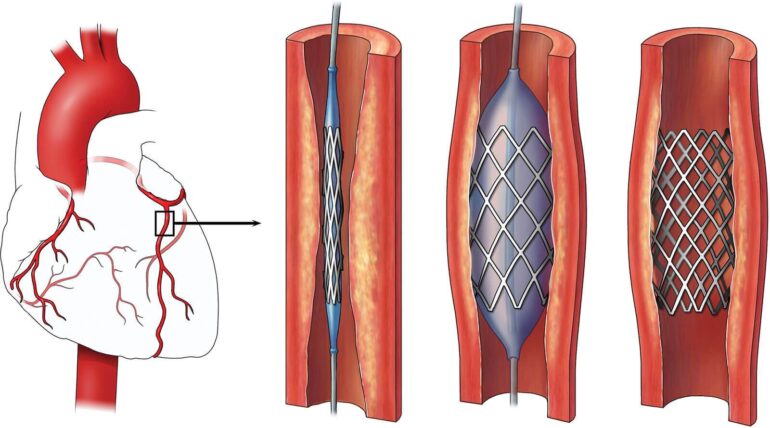
The placement procedure is called PCI (Percutaneous Coronary Intervention) or angioplasty, and it is performed with a catheter without open surgery. The stent is permanent and will become part of the blood vessel over time.
Quick Facts:
- A heart stent is only 2 to 4 mm in diameter (about the size of a pen tip) and 8 to 33 mm long, adjusted to the condition of the patient’s blood vessel.
- According to the American Heart Association (AHA), more than 2 million stent procedures are performed every year worldwide.
When Does Someone Need a Heart Stent?
Heart stent placement is not a procedure that is done carelessly. It is usually recommended when the blood vessels of the heart (coronary arteries) become narrowed or blocked by plaque buildup, which can disrupt blood flow to the heart muscle.
In this section, we will specifically discuss when someone truly needs a heart stent, what the signs are, and how doctors determine that need. It is important to understand this information so that you or your loved ones can be more alert and take the right steps if symptoms of coronary heart disease appear.
1. Medical Conditions That Require a Heart Stent
A heart stent, or coronary stent, is usually needed when the blood vessels of the heart (coronary arteries) are significantly narrowed or blocked by plaque buildup (atherosclerosis). Some of the main medical conditions that require stent placement include:
A. Coronary Heart Disease (CHD)
This is the most common condition that leads to the need for a heart stent. Plaque made up of cholesterol and other substances builds up in the artery walls, obstructing blood flow to the heart muscle. If left untreated, it can trigger chest pain (angina) and even a heart attack.
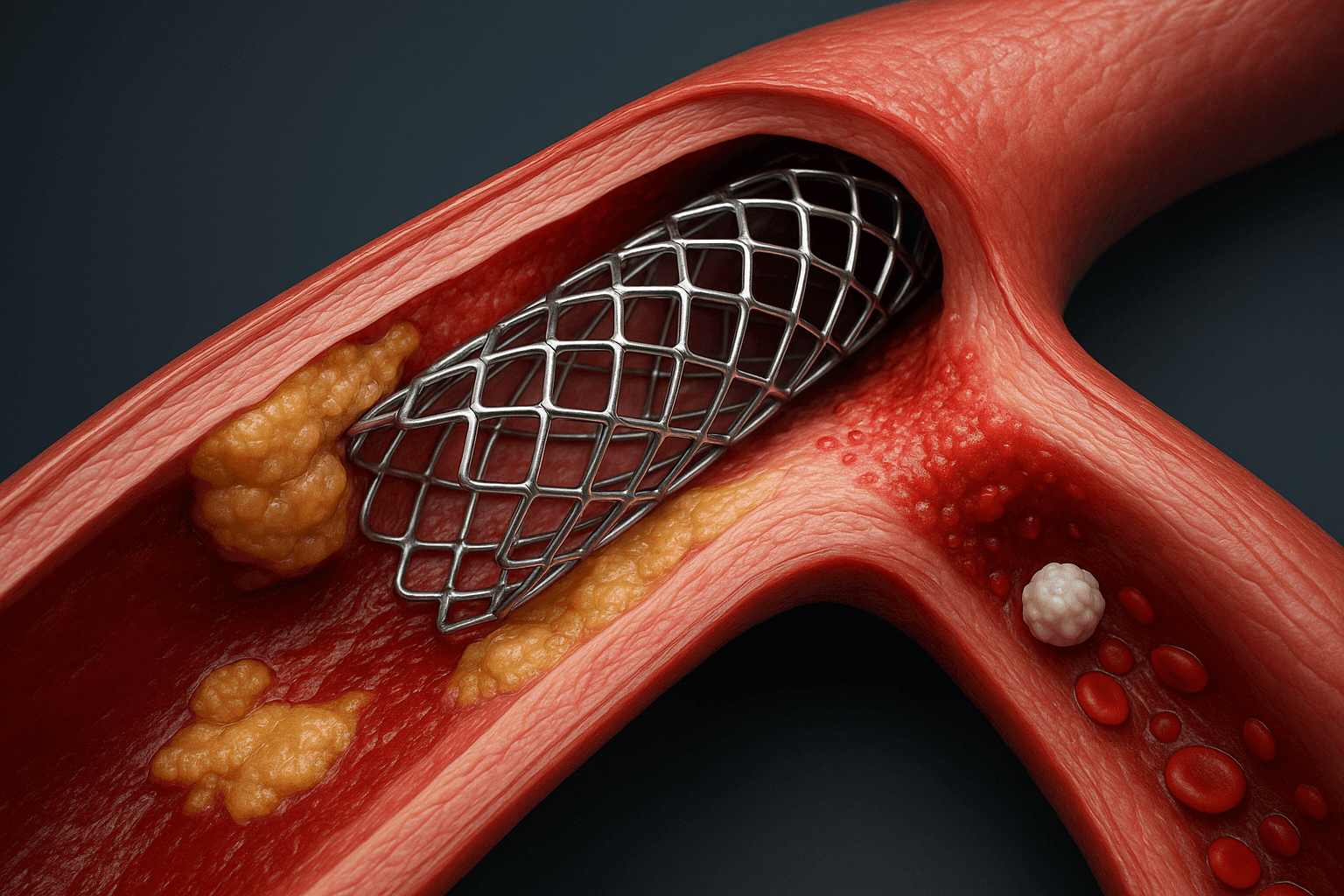
The coronary arteries narrow gradually because of cholesterol plaque. If the narrowing exceeds 70%, blood flow to the heart can drop drastically.
When Is a Stent Needed?
When medications or lifestyle changes are no longer effective in relieving symptoms such as chest pain (angina) that recurs often, even at rest.
🔎 Fact: According to the WHO, coronary heart disease is the leading cause of death worldwide, accounting for more than 16% of all deaths globally (WHO Global Health Estimates 2023 data).
B. Heart Attack (Myocardial Infarction)
If a coronary artery is completely blocked, part of the heart muscle does not receive oxygen and begins to be damaged. In this condition, a stent needs to be placed as quickly as possible (within < 90 minutes after symptoms are felt) through emergency angioplasty to open the blockage and restore blood flow. This procedure can save lives and help reduce the risk of heart failure.
C. Unstable Angina
This type of chest pain occurs even at rest and is a sign that the blood supply to the heart is severely disrupted. This condition often requires prompt action, including possible stent placement.
D. Heart Test Results That Indicate High Risk
If a patient undergoes tests such as cardiac catheterization or a treadmill test and significant narrowing of the coronary arteries is found, the doctor may recommend stent placement even if a heart attack has not yet occurred.
2. Warning Signs: Symptoms to Watch For
In addition to the conditions above, here are some symptoms that may be signs of a coronary artery problem. Confirm with a doctor’s examination whether a heart stent is actually needed:
- Chest Pain: It feels like pressure or tightness in the chest and can spread to the left arm, neck, jaw, or back, sometimes accompanied by a cold sweat. This pain often appears during activity and improves with rest. Although not all chest pain means a heart problem, if it recurs or worsens, see a doctor promptly.
- Shortness of Breath: When the heart does not receive enough oxygen, its ability to pump blood decreases, so the lungs and body lack oxygen, making breathing feel heavy even during light activity.
- Extreme Fatigue: The body can feel very tired even without strenuous activity. This happens because the heart cannot pump blood efficiently throughout the body.
- Nausea, Cold Sweats, or Dizziness: These symptoms can also accompany heart problems, especially in women, who often experience more “subtle” signs of a heart attack.
Important: If you experience a combination of the symptoms above, consult a doctor or emergency services immediately. Prompt treatment can save lives.
The Heart Stent Procedure
Heart stent placement is a common medical procedure to treat narrowed coronary arteries. With local anesthesia, patients generally do not feel pain during the procedure, and the medical team closely monitors the patient’s condition to ensure comfort and safety.
1. Steps of Angioplasty and Stent Placement
The heart stent procedure (PCI / Percutaneous Coronary Intervention), also known as coronary angioplasty, is a minimally invasive medical procedure to open a narrowed or blocked coronary artery. Here are the steps:
- Patient Preparation: The patient is asked to fast for 4 to 6 hours before the procedure. The groin or wrist area is cleaned and sterilized as the entry point for the catheter.
- Local Anesthesia: A local anesthetic is injected where the catheter will be inserted, usually in the groin or wrist, to reduce pain during the procedure.
- Catheter Insertion: A thin catheter is inserted through a blood vessel toward the narrowed or blocked coronary artery, guided by X-rays.
- Angiography: A contrast agent is injected through the catheter to show the location and degree of the coronary artery blockage.
- Balloon Inflation: A small balloon at the tip of the catheter is inflated at the narrowed area to widen the artery and press the plaque against the artery wall.
- Placement of the Stent (Heart Stent): Once the artery is open, the stent, still in its collapsed form, is moved into the narrowed area and expanded using the balloon. The stent opens and stays permanently in the coronary artery to keep blood flowing smoothly.
- Completion and Recovery: After the stent is placed, the catheter is withdrawn, and pressure is applied to the puncture site to prevent bleeding. The patient is then observed for several hours to make sure there are no complications. The patient is monitored for 4 to 6 hours to make sure there is no bleeding at the catheter site. The patient can go home within 1 to 2 days if there are no complications.
2. Local Anesthesia, Duration, and Equipment Used
- Local Anesthesia: This procedure is performed under local anesthesia, so the patient remains awake but does not feel pain in the treated area.
- Procedure Duration: The time needed varies, but the procedure generally takes about 1 to 2 hours, depending on the complexity of the case.
- Equipment Used:
- Catheter: A thin tube inserted into a blood vessel to reach the coronary artery.
- Angioplasty Balloon: A small balloon at the tip of the catheter that is inflated to widen the artery.
- Stent (Heart Stent): A small metal tube placed in the artery to keep it open.
- Contrast Agent (Fluoroscopy): A fluid injected to show the coronary arteries during the procedure.
After the procedure, patients usually only need a short hospital stay and can return to normal activities relatively quickly. Heart stent placement can be one option to help restore the patient’s quality of life.
Types of Heart Stents and Their Technology
With advances in medical technology, heart stents now come in various types designed to suit each patient’s condition. In this section, we will discuss the different types of heart stents, from the most commonly used to the latest innovations, along with the technology behind them. This information is important so that you better understand the available treatment options and can have a better discussion with your doctor if stent placement is needed. Let’s get to know the types of heart stents and the role of their technology in helping maintain heart health.
1. Bare-Metal Stent (BMS)
A Bare-Metal Stent (BMS) was the first type of stent used in PCI procedures. This stent is made of metal without a drug coating and serves as a scaffold to keep the artery open after angioplasty.
Advantages of BMS:
- A relatively simple placement procedure.
- A lower cost than drug-coated stents.
Disadvantages of BMS:
- A higher risk of restenosis (re-narrowing of the artery) because there is no drug coating to prevent excessive tissue growth.
- Requires more intensive monitoring after the procedure.
Although the use of BMS has declined as technology has developed, in certain situations, such as in patients with a high bleeding risk or those who need non-cardiac surgery in the near future, BMS can still be a relevant option.
2. Drug-Eluting Stent (DES)
A Drug-Eluting Stent (DES) is a stent coated with a special drug that is released slowly to prevent excessive tissue growth inside the artery, thereby reducing the risk of restenosis.
Advantages of DES:
- Significantly reduces the risk of restenosis.
- Lowers the likelihood of needing a repeat procedure.
Disadvantages of DES:
- A higher cost than BMS.
- Requires long-term antiplatelet therapy to prevent blood clots from forming around the stent.
DES has become the primary choice in many PCI procedures because of its effectiveness in keeping arteries open and reducing long-term complications.
Comparison Table: Bare-Metal Stent (BMS) vs. Drug-Eluting Stent (DES)
Although both have the same main function, opening blocked blood vessels, they have different characteristics, advantages, and medical considerations. In this section, we present a simple comparison table to help you see the differences more clearly and easily.
| Aspect | Bare-Metal Stent (BMS) | Drug-Eluting Stent (DES) |
|---|---|---|
| Material | Metal without a drug coating | Metal with a drug coating |
| Restenosis risk | Higher (20 to 30%) | Lower (5 to 10%) |
| Cost | Lower | Higher |
| Antiplatelet therapy | Short term | Long term |
| Need for a repeat procedure | More likely | Reduced |
| Availability | Declining | Commonly used |
The Latest Heart Stent Technology
Developments in medical technology have produced new innovations in the design and function of heart stents:
- Bioadaptor: A bioadaptor is the newest generation of stent, designed to adapt to the natural movement of the artery. After a few months, the polymer coating on the bioadaptor is absorbed by the body, allowing the artery to move more freely and reducing the risk of long-term complications.
- Bioresorbable Scaffold (BVS): This is a polymer-based stent that dissolves on its own within 2 to 3 years after the artery has healed. BVS is claimed to have the advantage of leaving no permanent metal behind, reducing the risk of long-term complications. BVS is still under development (with an effectiveness of 85 to 90%, Lancet 2023).
- Fourth-Generation DES: This is a recent development in heart stent technology that combines an antiproliferative drug coating with a biodegradable polymer that dissolves naturally. These stents are designed to release the drug in a more controlled and precise way, helping reduce the risk of the artery narrowing again. Their main advantage lies in the polymer, which fully degrades within 6 to 12 months, minimizing long-term inflammatory reactions and allowing the stent to integrate naturally with the artery wall. This technology also shortens the duration of blood thinner use to only 6 to 12 months, shorter than with previous generations. Examples include Synergy™ (Boston Scientific) and Orsiro™ (Biotronik). Although they offer various advantages, fourth-generation DES are more expensive and their availability is still limited at some healthcare facilities. This innovation was developed to combine long-term treatment safety and effectiveness.
- Stent With Nanotechnology: a recent breakthrough in interventional cardiology that uses nanoscale material engineering to improve the effectiveness of heart stent placement. With a surface structure designed at the nanometer scale (1/1,000,000 of a millimeter), this stent offers several advantages. Its ultra-smooth surface is coated with special nanoparticles that can speed up the natural healing of blood vessels while preventing excessive scar tissue formation. Nanotechnology also allows more precise and controlled drug release, in which microscopic doses of antiproliferative drugs can be released gradually right where they are needed. Some nano stent variants even come with an antibacterial coating and special substances that stimulate the regeneration of the endothelial cells lining blood vessels. According to recent research in the Journal of Nanomedicine (2023), stents with nanotechnology showed a significant reduction in the risk of blood clots and restenosis compared with conventional stents. Although still under further development, this technology is predicted to become a new standard in the treatment of coronary heart disease in the coming years, especially for patients with very small or complex blood vessels.
- Local Innovation: In Indonesia, Universitas Gadjah Mada (UGM) has developed an innovative stent that is ready to enter clinical trials. This stent uses a patented metal material and is designed to improve effectiveness and patient comfort.
Benefits of Getting a Heart Stent
Heart stent placement is not just an ordinary medical procedure; it is an important step that can save lives and restore quality of life for patients with coronary heart disease. In this section, we will discuss the main benefits of this procedure in a complete yet easy-to-read way.
1. Restoring Blood Flow to the Heart
The main goal of stent placement is to restore blood flow that has been disrupted by cholesterol plaque blocking the coronary arteries.
When an artery narrows, the oxygen supply to the heart muscle becomes limited, causing complaints such as chest pain (angina) or even a heart attack. After a stent is placed:
- The artery opens again.
- Blood flows smoothly.
- The heart receives enough oxygen to function optimally.
📊 Medical Fact:
Stent placement can improve blood flow in most patients, especially if it is performed soon after symptoms appear or during a heart attack.
2. Reducing Symptoms Such as Chest Pain, Shortness of Breath, and Fatigue
One of the benefits patients notice most after stent placement is a reduction in symptoms that interfere with daily activities. Some symptoms that improve after the procedure include:
- Chest pain: Generally improves significantly and may even disappear completely.
- Shortness of breath: With normal blood flow, breathing becomes easier during activity.
- Extreme fatigue: The body receives a better supply of blood and oxygen, so stamina increases.
Patients who previously tired easily after walking just a few meters can usually return to light to moderate activities within a few weeks after the procedure.
🌿 Note:
Many patients report a significant improvement in their ability to carry out daily activities after stent placement, even within 1 to 2 weeks.
3. Improving Quality of Life and Psychological Well-Being
Stent placement not only brings physical improvement but also peace of mind and new hope for patients. Many patients feel more confident and are no longer haunted by the fear of a sudden heart attack.
Some positive effects on quality of life include:
- Being able to return to work or usual activities.
- No longer being disturbed by sudden pain.
- Sleeping more soundly because the body is not short of oxygen at night.
- Less anxiety and stress related to the heart condition.
💬 Note:
Many patients report an improved quality of life within 1 month after PCI (percutaneous coronary intervention), especially in physical, psychological, and social aspects.
4. Preventing Further Heart Damage
In a heart attack, prompt stent placement can prevent permanent damage to the heart muscle. By opening the blocked artery, the stent helps restore blood flow and reduce the risk of serious complications in the future.
Heart stent placement through PCI offers significant benefits for patients with coronary heart disease, including restored blood flow, reduced symptoms, and prevention of further heart damage. However, it is important to consult a doctor to determine whether this procedure is right for your health condition.
Risks and Side Effects of Heart Stent Placement
Although heart stent placement is a common medical procedure, it is still important for patients and families to understand that every medical procedure carries potential risks. In this section, we will explain clearly and simply what risks and side effects may occur, how to reduce them, and why long-term monitoring after the procedure matters. With accurate information and the right approach, patients can feel calmer and ready to go through recovery with confidence.
1. Common and Rare Risks After Stent Placement
✅ Common Risks (Relatively Mild and Manageable):
- Bruising or mild pain where the catheter was inserted (arm or groin).
- Mild allergic reactions to the contrast fluid (usually causing a brief feeling of warmth or nausea).
- Minor bleeding at the catheter puncture site.
⚠️ Moderate to Severe Risks (Less Common):
- Restenosis (re-narrowing of the artery): Can occur in some patients, especially with a Bare-Metal Stent (BMS).
- Stent thrombosis (a blood clot in the stent): Can trigger a sudden heart attack, especially if the patient does not take antiplatelet medication consistently.
- Arrhythmia (heart rhythm disorder): Sometimes appears shortly after the procedure.
- Temporary kidney damage due to the contrast fluid (especially in patients with pre-existing kidney disease).
- Heart attack or stroke during the procedure (very rare).
📊 Key Data:
Serious complications after stent placement are rare, especially when the procedure is performed by an experienced doctor and the patient follows medical instructions after the procedure.
2. Post-Procedure Care to Minimize Risks
Proper and consistent post-procedure care can help reduce the risks mentioned above.
Here are some important things to do:
✅ Take Your Medications Regularly
Patients are usually given antiplatelet medications (such as aspirin and clopidogrel) to prevent blood clots from forming in the stent. Consistency is very important: missing even a single dose can increase the risk of stent thrombosis.
✅ See Your Doctor Regularly
Routine check-ups aim to:
- Make sure the stent is working well.
- Evaluate blood pressure, cholesterol, and blood sugar.
- Adjust treatment if needed.
✅ A Healthy Lifestyle
- Quit smoking.
- Reduce your intake of saturated fat and excess sugar.
- Do light exercise regularly (under a doctor’s supervision).
- Maintain an ideal body weight.
💡 Important Note: Patients who are disciplined about post-procedure care generally have a lower risk of complications than those who do not follow their doctor’s advice.
3. The Importance of Long-Term Monitoring
A stent is not a “permanent cure” for coronary heart disease but part of a long-term strategy to manage heart disease. Therefore, ongoing health monitoring remains very important.
Why is long-term monitoring important?
- To detect re-narrowing (restenosis) early if it occurs.
- To assess the success of medical therapy and lifestyle changes.
- To prevent repeat heart attacks by adjusting treatment early.
📆 Monitoring Recommendations:
- Routine check-ups in the first 1 to 3 months after the procedure.
- Annual evaluations after the first year, especially if there is a family history of heart disease or other risk factors.
Heart Stent vs. Bypass Surgery: Which Is Better?
Choosing between a heart stent (stent) and heart bypass surgery is not a simple decision. Both have the same goal, restoring blood flow to heart muscle affected by narrowed or blocked coronary arteries, but they differ in approach, risks, and long-term outcomes. The right choice depends greatly on the patient’s specific medical condition, the severity of the disease, and other clinical considerations.
1. Medical Indications for Each Procedure
Heart Stent Placement (Stent):
- Often used in emergencies, such as an acute heart attack (STEMI), because the procedure is quick and minimally invasive.
- Recommended for patients at high risk from major surgery, such as older adults or those with certain medical conditions.
Heart Bypass Surgery (CABG):
- More often recommended for patients with severe or complex blockages, especially if three or more coronary arteries are involved.
- Patients with diabetes or left ventricular dysfunction often benefit more from this procedure.
- If a previous stent placement was unsuccessful or re-narrowing (restenosis) occurred, bypass surgery can be considered.
2. Differences in Cost, Recovery Time, and Complexity
To help you understand the differences in a more practical way, we present a concise, easy-to-read comparison table. With this information, you can get a clearer initial picture before discussing the treatment options that suit your condition further with a cardiologist.
| Aspect | Heart Stent Placement (Stent) | Heart Bypass Surgery (CABG) |
|---|---|---|
| Cost | Generally lower | Generally higher |
| Procedure duration | 1 to 2 hours | 3 to 6 hours |
| Hospital stay | 1 to 2 days | 6 to 10 days |
| Recovery | Fast (a few days) | Longer (4 to 6 weeks) |
| Complexity | Minimally invasive with local anesthesia | Major surgery with general anesthesia |
| Risk of complications | Lower | Higher |
The cost of both procedures depends on the patient’s condition and the procedures needed. An overview of costs at Heartology is available on the Heart Stent Placement Cost and Heart Bypass Surgery Cost pages.
3. When Bypass Is Recommended Over a Stent
Heart bypass surgery is recommended in the following conditions:
- Blockages in three or more coronary arteries.
- Blockage in the left main coronary artery (LAD), which supplies blood to most of the heart muscle.
- Patients with diabetes, because they have a higher risk of stent failure.
- If a previous stent placement was unsuccessful or re-narrowing occurred.
Both heart stents and bypass surgery have their own advantages and disadvantages. Stent placement offers faster recovery and a lower risk of complications, but it may not be effective for complex blockages. Bypass surgery, on the other hand, is more invasive and requires a longer recovery time, but it can provide better long-term results for severe or multiple blockages. Consult a cardiologist to determine the option that suits your health condition.
Alternatives to a Heart Stent: What Are the Options?
Not all cases of coronary heart disease require invasive procedures such as stent placement or bypass surgery. For some patients, a non-invasive approach can be an effective and safe first-line option.
1. Medications and Lifestyle Changes
Medications play an important role in managing coronary heart disease. Some commonly used types of medication include:
- Statins: Lower LDL cholesterol (“bad” cholesterol) and help prevent plaque from forming in the arteries.
- Antihypertensive Medications: Such as ACE inhibitors or beta-blockers, which help control blood pressure and reduce the heart’s workload.
- Antiplatelets: Such as aspirin, which prevents blood clots and reduces the risk of a heart attack.
In addition to medication, lifestyle changes are very important for managing heart disease and preventing it from progressing:
- A healthy diet: Eat foods low in saturated fat, salt, and sugar and high in fiber from fruits, vegetables, and whole grains.
- Regular physical activity: Exercise at least 150 minutes per week at moderate intensity, such as brisk walking or cycling.
- Quitting smoking: Smoking is a major risk factor for heart disease; quitting smoking can significantly reduce the risk of complications.
- Managing stress: Relaxation techniques such as meditation, yoga, or cognitive therapy can help reduce stress, which has a negative impact on heart health.
These lifestyle changes not only help control symptoms but can also slow or even stop the progression of coronary heart disease.
2. Nutrition Therapy and Cardiac Rehabilitation
Proper nutrition therapy can help control risk factors such as high cholesterol, high blood pressure, and diabetes. Consulting a nutritionist can help you design a meal plan that suits your individual needs.
Cardiac rehabilitation is a comprehensive program that includes:
- Supervised physical exercise: Tailored to the patient’s ability to improve cardiovascular fitness.
- Health education: Provides information about heart disease, treatment, and lifestyle changes.
- Psychosocial support: Helps patients cope with anxiety or depression that may arise from heart disease.
A cardiac rehabilitation program can help improve quality of life and reduce the risk of future cardiovascular events.
3. When Invasive Intervention Is Not the First Choice
Invasive interventions such as heart stent placement or bypass surgery (CABG) may not always be necessary, especially in the following conditions:
- Stable coronary heart disease: If symptoms can be controlled with medication and lifestyle changes, an invasive procedure may not be needed.
- High procedural risk: Patients with certain medical conditions or of advanced age may have a higher risk of complications from invasive procedures.
- Patient preference: Some patients may choose a non-invasive approach after discussing the benefits and risks with their doctor.
The decision not to perform an invasive intervention should be based on a thorough evaluation by the medical team and take the patient’s condition and preferences into account.
Non-invasive alternatives such as medication, lifestyle changes, nutrition therapy, and cardiac rehabilitation can be effective options for managing coronary heart disease, especially in certain cases. It is important to consult a cardiologist to determine the approach that suits your individual condition.
Recovery After Heart Stent Placement
Heart stent placement is a generally safe and effective medical procedure to restore blood flow in blocked heart vessels. However, the success of this procedure is determined not only by the procedure itself but also by how the patient goes through recovery afterward.
Here is a complete explanation of the length of the hospital stay, activities to pay attention to, as well as diet, medications, and regular medical check-ups after stent placement.
1. Length of Hospital Stay and Recovery Time
After heart stent placement, patients generally have a short hospital stay of 1 to 2 days, depending on their condition and how their body responds to the procedure. In some more complex cases, the hospital stay may be longer for more intensive observation.
The overall recovery time usually ranges from 1 to 2 weeks until patients can return to normal activities. However, full recovery of the heart and blood vessels takes longer and must be accompanied by close monitoring and healthy lifestyle changes.
With proper recovery, many patients can return to their daily routine within 2 weeks without significant complications.
2. Activities to Avoid and Activities to Do
During the early recovery period, there are several things to avoid to prevent complications, including:
- Lifting heavy loads or strenuous physical activity for at least the first 1 to 2 weeks.
- Avoiding activities that put pressure on the blood vessel area where the stent was inserted (usually the wrist or groin).
- Avoid smoking and alcohol, as they can slow healing and increase the risk of re-blockage.
On the other hand, the recommended activities are:
- Gradual light walking from the first day after the procedure, as directed by your doctor.
- Breathing and relaxation exercises to maintain heart health and reduce stress.
- Joining a cardiac rehabilitation program recommended by your doctor, including supervised light exercise.
The key is to listen to your body and follow medical guidance so that recovery goes optimally without excessive risk.
3. Diet, Routine Medications, and Regular Medical Check-Ups
A healthy diet is an important foundation for supporting recovery and maintaining long-term heart health.
🍽️ A Heart-Healthy Diet:
- Reduce: Salt, sugar, and saturated fat (gorengan or deep-fried snacks, red meat).
- Eat more: Vegetables, fruits, fish (rich in omega-3), and whole grains.
- Avoid smoking & alcohol (they increase the risk of blood clots).
In addition to diet, taking routine medications as prescribed by your doctor is very important to prevent blood clots from forming and to keep the stent open.
💊 Medications Doctors Usually Prescribe:
- Blood thinners (aspirin, clopidogrel) to prevent clotting in the stent.
- Statins (if cholesterol is high).
- Beta-blockers (if there is a history of high blood pressure).
Finally, regular medical check-ups are strongly recommended.
🩺 Recommended Follow-Up Schedule:
- 1 week after the procedure (to check the puncture wound).
- 1, 3, 6, and 12 months (ECG, blood tests, medication review).
- Every year (a complete heart checkup).
Key Fact: Patients who attend regular follow-ups generally have a lower risk of complications.
Life Expectancy After Getting a Heart Stent
After undergoing heart stent placement, many patients wonder about their life expectancy and quality of life going forward. The good news is that with proper care and healthy lifestyle changes, quality of life after stent placement can improve.
1. Life Expectancy Worldwide
Getting a heart stent does not change your life expectancy, but it significantly improves quality of life and reduces the risk of fatal complications:
- Most patients can carry out normal activities after 1 year
- The risk of another heart attack can decrease with proper care
2. Factors That Affect Life Expectancy
Long-term outcomes depend on:
- Taking medications as prescribed (especially blood thinners)
- Lifestyle changes (quitting smoking, a healthy diet, regular exercise)
- Routine follow-ups with a cardiologist (at least every 6 months)
- Other medical conditions (diabetes, hypertension, or kidney disorders)
Real-Life Example:
Patients who quit smoking and attend regular follow-ups generally have a longer life expectancy than those who are not disciplined.
3. Comparison With No Treatment
- With a heart stent:
- A better quality of life (free of chest pain, able to stay active)
- Without treatment:
- A higher risk of sudden death in severe blockages
4. Tips to Maximize Life Expectancy
- Take your medications consistently for life (especially in the first year)
- Cardiac rehabilitation to strengthen the heart muscle
- Regular checks of ECG and blood tests (cholesterol, blood sugar)
- Manage stress well (yoga, meditation, or counseling)
Good News:
Current stent technology (such as the drug-eluting stent) helps improve long-term success when it is cared for properly.
Common Myths About Heart Stents
Heart stent placement is a common medical procedure to treat blockages in the heart’s blood vessels. However, many myths about this procedure circulate in the community. Let’s discuss some of these myths and the actual facts.
❌ Myth: After getting a stent, the heart will be healthy forever without the need for further care.
✅ Fact:
- A stent only treats the existing blockage; it does not completely cure heart disease.
- Without lifestyle changes, plaque can form again in other areas (restenosis or a new lesion).
- Some patients need repeat treatment within a few years if they do not maintain a healthy lifestyle.
❌ Myth: Physical activity must be avoided because it can damage the stent.
✅ Fact:
- Exercise is actually recommended after recovery (walking, cycling, yoga).
- Athletic patients can return to running or hiking once their doctor gives permission.
- Regular exercise can help lower the risk of re-blockage.
❌ Myth: Only older adults over 60 need a stent.
✅ Fact:
- Patients aged 30 to 40 may also need a stent, especially if they have:
- Risk factors (smoking, diabetes, a family history of CHD).
- A sudden heart attack.
- Data from the American Heart Association show that 15% of stent recipients are <50 years old.
❌ Myth: After getting a stent, you no longer need to take medication.
✅ Fact:
Medications such as antiplatelets are still needed to prevent blood clots from forming and to keep the blood vessels healthy.
❌ Myth: A heart stent can come loose or shift.
✅ Fact:
After placement, the stent becomes part of the blood vessel wall and very rarely shifts.
❌ Myth: You cannot have an MRI after getting a stent.
✅ Fact:
Most modern heart stents are safe for MRI scans a few weeks after placement.
Final Thoughts
Heart and blood vessel diseases are often called a “silent killer” because their symptoms are not always felt until the condition is already severe. However, the good news is: with early detection and proper treatment, many cases can be prevented or controlled before they develop into serious complications.
According to the World Health Organization (WHO), most cardiovascular diseases can be prevented through early detection and management of risk factors such as high blood pressure, high cholesterol, and an unhealthy lifestyle.
Studies also show that early diagnosis can significantly reduce the risk of heart attack and stroke.
Detection and Control Are Key
Do not wait for symptoms to appear before you start caring about your heart health. Here are some proactive steps you can take:
- Check Your Blood Pressure Regularly: High blood pressure often has no symptoms but can damage organs if it is not controlled.
- Have Regular Health Checkups: Tests such as a lipid profile and blood sugar test can help detect risk factors early.
- Adopt a Healthy Lifestyle: Reducing salt intake, exercising regularly, and quitting smoking can lower the risk of heart disease.
- Consult a Doctor: If you have a family history of heart disease or other risk factors, talk to your doctor about the right prevention strategy.
Remember, small steps today can prevent big problems in the future. Take care of your heart health starting now!
Keep as a reminder
Checklist before Your Consultation
Tick what you have prepared.
0 of 6 items checked
Checks are kept only while this page is open.
After reading
Discuss Your Questions with a Doctor.
Bring your notes and any test results you want to discuss. A consultation helps decide which tests and treatment are right for you.
Our team confirms the schedule and what you need for your visit. The information on this page is for educational purposes and does not replace medical consultation, diagnosis, or treatment. For any health concerns, please consult a doctor directly.
Doctors Related to This Topic

dr. Adrianus Kosasih, Sp.JP(K)
Interventional Cardiology
Coronary Intervention Procedures
Clinical focusPrimary Coronary Intervention · PCI for Acute Coronary Syndrome
View Profile
Dr. dr. Jajang Sinardja, Sp.JP(K)
Interventional Cardiology
Coronary Intervention Procedures
Clinical focusAcute Coronary Syndrome · Primary Coronary Intervention
View Profile
dr. Puti S. Saus, Sp.JP(K)
Interventional Cardiology
Coronary Intervention Procedures
Clinical focusAcute Coronary Syndrome · Primary Coronary Intervention
View ProfileFrequently Asked Questions.
Here are some frequently asked questions about heart stent placement.
What Is Heart Stent Placement?
It is a procedure to open a narrowed heart blood vessel by placing a small tube (stent) as a support. This procedure is also called PCI or angioplasty.
Why Is a Heart Stent Needed?
A heart stent is placed to reopen a narrowed or blocked coronary artery so that blood and oxygen can flow smoothly to the heart muscle again. Your doctor may recommend it if medication and lifestyle changes are no longer enough to control symptoms, during a heart attack, or if test results show significant narrowing.
How Long Does Heart Stent Placement Take?
The procedure is fairly quick. It usually takes only about 30 minutes to 1 hour, depending on the patient's condition and the number of stents that need to be placed. Patients generally do not need a long hospital stay and can go home within 1 to 2 days if there are no complications.
How Long Does a Heart Stent Last?
Heart stents are designed to last a lifetime. However, it is still important to maintain a healthy lifestyle and attend routine follow-ups, because blood vessels in other places can still narrow in the future.
Can a Heart Stent Come Loose or Shift?
This is very rare. Stents are made of strong metal that attaches directly to the artery wall once it has been placed.
Is Getting a Heart Stent Painful?
You will only feel a slight prick during the local anesthetic injection. During the procedure, patients generally do not feel pain.
Can You Still Exercise After Getting a Heart Stent?
Yes, and it is even strongly recommended! But of course, exercise should be done gradually and according to your doctor's advice. Light exercise such as walking or heart-healthy exercise classes can help strengthen heart function and prevent new blockages.
How Much Does a Heart Stent Cost?
The cost of a heart stent depends on the patient's medical condition, the number of stents needed, the type of stent (a bare-metal stent or a drug-eluting stent), and the procedures required. The cost generally covers the cardiac catheterization procedure (angiography), the stent placement, the hospital stay, specialist fees, and medications during treatment. An overview of costs at Heartology is available on the Heart Stent Placement Cost page.
Sources and Transparency.
The information on this page is for educational purposes and does not replace medical consultation, diagnosis, or treatment. For any health concerns, please consult a doctor directly.
If you find information that needs clarifying, let us know through our Contact Us page.