Quick answer
Holter monitoring is a test that continuously records the heart's electrical activity for 24 hours or longer using a small recorder connected to electrodes on the chest, while the patient goes about their daily activities. This test helps doctors find heart rhythm disorders that appear only occasionally and are not captured by a standard ECG, for example in people with palpitations, fainting, or dizziness.
When the correct procedure is followed, Holter monitoring can provide doctors with very valuable data for diagnosing and managing your heart health.
The heart is a vital organ that works nonstop to pump blood throughout the body. Heart health is an important part of overall health, and monitoring the condition of your heart appropriately is the first step in detecting various health problems. In medicine today, a range of methods is used to diagnose and monitor heart health, and one of them is Holter monitoring.
In this article, we will take an in-depth look at what Holter monitoring is, how it works, what it is used for, how to prepare, the procedure, and how the results are interpreted. By learning more about this test, we hope you can understand the importance of heart monitoring in detecting and treating various heart-related health problems more effectively.
What Is Holter Monitoring?
Holter monitoring is a medical heart test carried out over 24 hours (or longer) to record your heart’s electrical activity using a device called a Holter monitor. Think of Holter monitoring as wearing a small heart recorder that logs every heartbeat throughout the day, providing detailed information about your heart’s rhythm and function. This test helps doctors diagnose various heart problems that may not be detected during a standard ECG, which only lasts a few minutes.
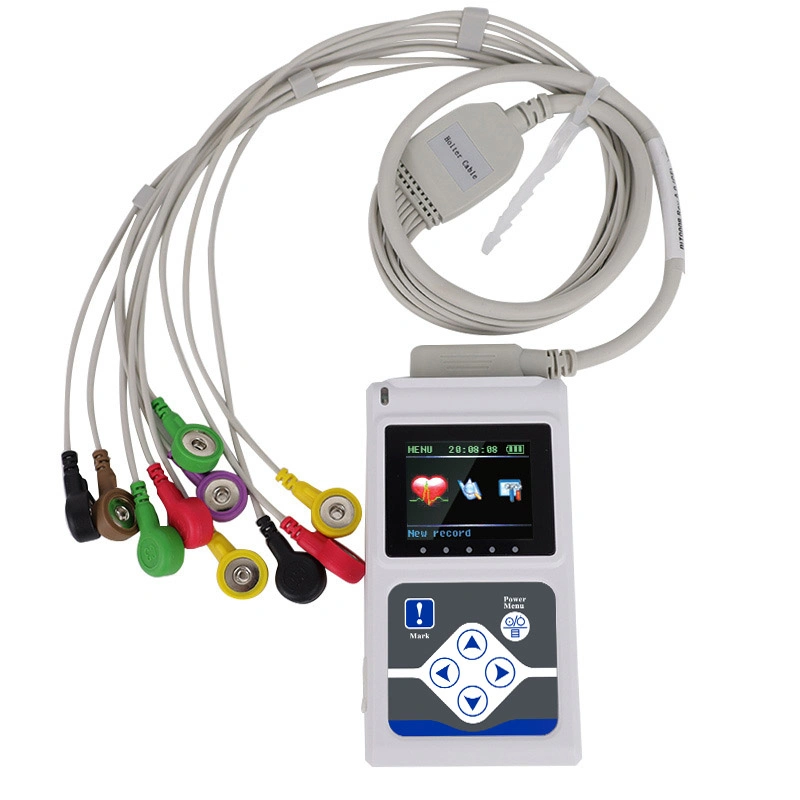
A Holter monitoring device consists of several main components. First, there is a small data recorder, similar to a small box, that you wear on your body, usually at the waist or around the neck. This recorder is connected to several small electrodes attached to your chest with a special adhesive. These electrodes detect the electrical signals from your heart. The recorder is relatively small and light, so you can go about your normal activities while wearing it. Some modern models are even smaller, and some can be stuck on the skin like a plaster.
How Holter Monitoring Works
During the monitoring period, the Holter monitor continuously records all of the patient’s heart electrical activity. Patients are instructed to carry out their daily activities, and the device records every heartbeat. The recorded data includes information about heart rhythm, heart rate, and any disturbances such as palpitations or surges in heart rate. Once the monitoring period is over, the device is returned to the medical facility for further analysis by a doctor.
The electrodes attached to your chest detect the patient’s heart electrical activity. These electrical signals are then sent to the Holter recorder. The recorder stores this data continuously for the duration of the test (usually 24 hours, but it can be longer or shorter depending on what the doctor needs). The data takes the form of a graph showing the rhythm and strength of your heartbeat over time.
Why Is Holter Monitoring Done?
Main Indications for Holter Monitoring
Holter monitoring is done to detect and diagnose various heart rhythm problems that may not be detected during a standard ECG. Here are some of its main indications:
- Fainting (Syncope): If you have ever fainted suddenly for no clear reason, Holter monitoring can help identify the cause, such as a heart rhythm disorder that reduces blood flow to the brain.
- Palpitations (Pounding Heart): A heartbeat that feels fast, pounding, or irregular can be a sign of a heart problem. Holter monitoring records your heartbeat for 24 hours to identify abnormal heartbeat patterns and the cause of the palpitations.
- Shortness of Breath: Frequent shortness of breath with no clear cause may be linked to heart problems, including heart rhythm disorders. Holter monitoring can help identify whether a heart rhythm disorder is causing the shortness of breath.
- Chest Pain: Although chest pain is most often associated with coronary heart disease, some types of heart rhythm disorders can also cause chest pain. Holter monitoring can help rule out or confirm the involvement of a heart rhythm disorder.
- History of Heart Disease: If you have a history of heart disease, such as a previous heart attack, or a family history of heart rhythm disorders, Holter monitoring can be used to monitor your heart health and detect potential problems earlier.
- Assessing How Well Heart Medications Work: Holter monitoring can be used to monitor the effectiveness of medications used to treat heart rhythm disorders. Your doctor can see whether the medication is successfully controlling your heart rhythm.
Medical Conditions Often Monitored With Holter Monitoring
Some medical conditions that are often monitored with Holter monitoring include:
- Atrial Fibrillation (AFib): A condition in which the atria (the upper chambers of the heart) beat irregularly and rapidly. Holter monitoring can detect episodes of atrial fibrillation that may only occur occasionally and go undetected during a standard ECG.
- Supraventricular Tachycardia (SVT): A condition in which the heart beats rapidly, originating from the upper part of the heart. Holter monitoring helps identify how often tachycardia episodes occur and how long they last.
- Bradycardia: A condition in which the heart rate is very slow. Holter monitoring can detect episodes of bradycardia that can cause symptoms such as dizziness or fainting.
- Heart Block: A condition in which the electrical signals that control the heartbeat are disrupted. Holter monitoring helps detect the degree and type of heart block.
- Torsades de Pointes: A serious type of heart arrhythmia characterized by a distinctive QRS wave pattern. Holter monitoring can detect these events.
- Brugada Syndrome: A rare genetic condition that increases the risk of sudden death due to arrhythmia. Holter monitoring can help diagnose and monitor Brugada syndrome.
Differences Between Holter and a Standard ECG
Although both are used to monitor heart activity, there are significant differences between Holter monitoring and a standard ECG:
- Monitoring Duration: A standard ECG is usually recorded for only a few minutes in a clinical setting and may not capture symptoms that occur sporadically. Holter monitoring, on the other hand, can last 24 to 48 hours or longer, allowing long-term monitoring.
- Data Produced: A standard ECG provides a snapshot of heart activity at a particular moment, while Holter monitoring provides a more comprehensive analysis of data over time, allowing patterns to be identified more clearly.
- Use: A standard ECG is generally used for initial diagnosis, while Holter monitoring is more focused on follow-up monitoring and assessing heart conditions that may need further attention.
Preparing for Holter Monitoring
Instructions for Patients Before the Test
Before undergoing Holter monitoring, patients are given several instructions to make sure the recording is accurate. Some things to keep in mind include:
- Cleaning the Skin: Patients are advised to shower before the device is fitted and to make sure the skin where the electrodes will be placed is clean and dry. Avoiding lotions or creams that can make the skin surface slippery is strongly recommended.
- Stopping Medications: If the patient is taking certain medications, the doctor may give instructions on whether they need to be stopped temporarily. This is important so that the test results are accurate and relevant.
- Physical Activity: Patients may be asked to avoid strenuous physical activity that could affect the heart rate or disturb the position of the electrodes during monitoring.
What Patients Should Bring
When undergoing Holter monitoring, there are a few items patients should bring, such as:
- List of Medications: Patients are advised to bring a list of all the medications they are taking, including vitamins and supplements. This helps the doctor gain a better understanding of factors that may affect the heart.
- Comfortable Clothing: Wearing comfortable, loose clothing will help patients feel more at ease during monitoring. Avoid tight clothing that may cause the electrodes to come off.
- Symptom Notes: It is advisable to bring notes about symptoms or events you have experienced related to your heart health, and to record the time these symptoms occur during the monitoring period.
What to Do and Avoid During the Monitoring Period
During the monitoring period, there are several things to do and avoid to keep the Holter monitoring results accurate:
- What to do:
- Continue your daily activities as usual, including moving around, working, and following your daily routine.
- Record every episode of specific symptoms, including when it happened, what happened, and how severe it was.
- What to avoid:
- Avoid water when showering or washing to keep the device dry, unless there are specific instructions about waterproofing.
- Do not stop or change your medications without first consulting your doctor.
- Avoid using other electronic devices that may interfere with the recording, such as wave-emitting devices or other medical devices.
How Long Fitting and Removing the Device Takes
Fitting a Holter monitor is usually quick, often taking no more than 15 to 30 minutes. During this process, electrodes are placed on the skin of the patient’s chest and then connected to the recorder.
Once the monitoring period is over, the device is removed by a healthcare worker. Removal also takes only a short time and usually does not cause pain. The doctor then analyzes the data collected during the monitoring period to provide an accurate diagnosis and recommendations for further treatment if needed.
By following the instructions and preparing properly, patients can help ensure that heart monitoring with a Holter monitor produces results that are accurate and useful for their health.
The Holter Monitoring Procedure
Steps for Attaching the Electrodes
Attaching the electrodes for Holter monitoring is a quick and simple process. Here are the steps:
- Skin Preparation: Before the electrodes are attached, the area of skin where they will be placed must be cleaned with antiseptic and dried. This is important to make sure the electrodes stick well.
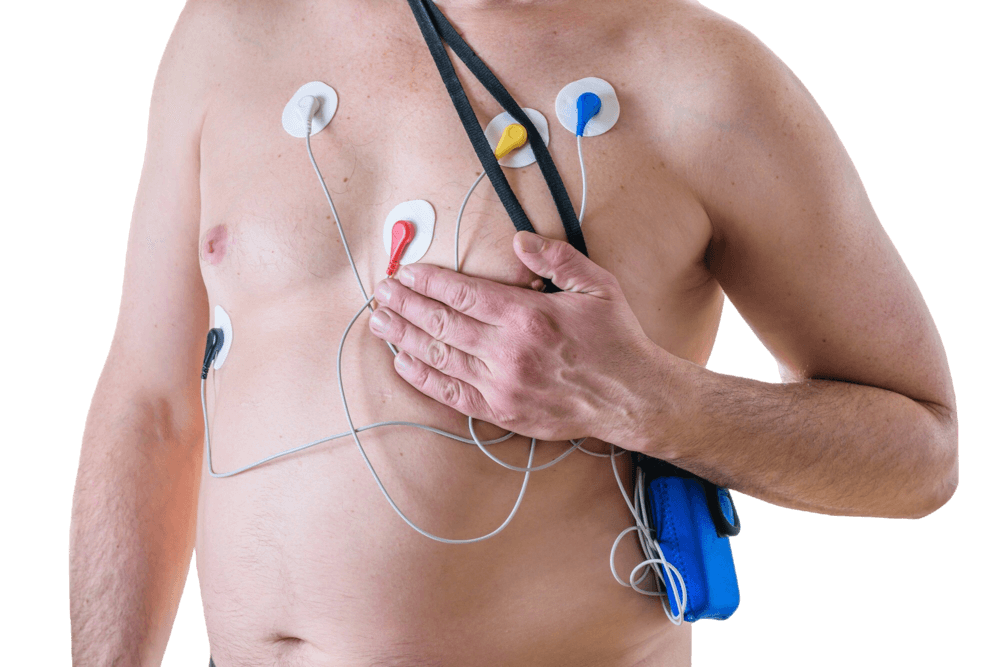
- Electrode Placement: A technician or healthcare worker places several small electrodes (usually 5 to 7) at specific spots on the patient’s chest. The electrodes are usually placed in a particular pattern to obtain an optimal recording.
- Securing the Electrodes: Once the electrodes are in place, they are secured with skin-safe medical tape. Clips or connectors are then attached from the electrodes to the recorder carried by the patient.
- Connecting the Recorder: The recorder, which records the data from the electrodes, is attached at the patient’s waist or placed in a pocket. The patient is given instructions on how to operate the device and keep it safe and dry.
How the Device Records Heart Activity
Once the electrodes are attached, the Holter monitor starts continuously recording the heart’s electrical activity. This process works as follows:
- Data Recording: The electrodes detect the electrical signals produced by the heartbeat and transmit them to the recorder. The device stores the data in digital format for further analysis.
- 24-Hour Monitoring: During the monitoring period, the device records all changes in heart activity, including heart rhythm, heart rate, and any disturbances (if present). The recorded data provides a picture of the patient’s heart electrical activity over that period.
- Data Processing: Once the recording period is over, the collected data is analyzed by a doctor to look for abnormalities, such as arrhythmias or other problems that may need further attention.
What to Do If a Problem Occurs During Monitoring
During the monitoring period, patients are instructed to keep an eye on the device and on their own health. If a problem occurs, here are the steps to take:
- If the Recorder Malfunctions: If the recorder switches off or loses power, the patient should contact the medical facility right away for further instructions. They may be asked to come back for a check or a replacement device.
- If an Electrode Comes Off: If an electrode comes loose from the skin, the patient should reattach it right away using the medical tape or clip provided. If this is difficult, the patient can contact their healthcare provider for help.
- Unusual Symptoms: If the patient experiences unusual symptoms such as chest pain, difficulty breathing, or severe dizziness, they should seek medical help at the nearest facility right away.
Caring for the Holter Device During Monitoring
Taking care of the Holter monitor during the monitoring period is very important to obtain accurate results. Here are some care tips:
- Avoid Moisture: Patients should avoid contact with water. Showering or swimming should be avoided during the monitoring period to prevent damage to the device.
- Keep the Device in Place: Make sure the recorder stays securely in position and does not fall. Avoid movements that could dislodge the device.
- Do Not Change the Settings: Patients should not try to change the device’s settings or functions without instructions from a healthcare worker. If there are any problems or questions, it is advisable to contact the medical facility for advice.
When the correct procedure is followed, Holter monitoring can provide doctors with very valuable data for diagnosing and managing the patient’s heart health.
Interpreting Holter Monitoring Results
How Doctors Analyze the Recorded Data
After the Holter monitoring period is over, the recorded data is analyzed by an experienced doctor or medical technician. They use special software to process the data, which allows the electrical signals produced by the heart to be visualized. The analysis process includes:
- Data Verification: The doctor checks the quality of the data and makes sure there were no disturbances or errors in the recording. This is important to keep the results accurate.
- Identifying Patterns and Arrhythmias: Using the software, the doctor looks for certain patterns and identifies any arrhythmias. They can mark abnormal episodes for further analysis.
- Reporting: Once the analysis is complete, the monitoring results are compiled into a report that includes relevant findings, treatment recommendations, and, if necessary, further procedures.
Types of Findings That May Appear in a Holter Report
Some common findings that may appear in a Holter monitoring report include:
- Arrhythmias: These are abnormalities in the rhythm of the heartbeat. Types of arrhythmia that may be detected include atrial fibrillation, supraventricular tachycardia, bradycardia, and premature ventricular contractions (PVC). Detecting these arrhythmias is important for deciding whether further treatment is needed.
- Changes in Heart Rhythm: A Holter report can show variations in heart rate, such as the heart speeding up during activity and slowing down at rest. This helps the doctor understand how the heart responds to different conditions.
- Episodes of Ischemia: Cardiac ischemia is a condition in which blood flow to the heart muscle is reduced. This finding may appear as changes in the ST segment of the recording, indicating a risk of a heart attack or other heart conditions.
- QT Interval Prolongation: This condition indicates a potential risk of serious arrhythmia. Holter monitoring helps diagnose it.
Common Medical Terms Used in Holter Reports
Holter monitoring reports often include medical terms that may be unfamiliar to patients. Here are some commonly found terms:
- Tachycardia: This term refers to a heart rate of more than 100 beats per minute. It can occur due to various conditions, including stress or heart problems.
- Bradycardia: This is a condition in which the heart rate is below 60 beats per minute. Bradycardia may indicate a problem with the heart’s electrical system.
- PVC (Premature Ventricular Contraction): A form of arrhythmia that occurs when there is a premature heartbeat from the ventricles, which can disrupt the normal heart rhythm.
- ST Segment: This is the part of the ECG tracing that can show changes related to blood flow to the heart. Significant changes may indicate ischemia.
The Role of Technology in Holter Data Analysis
Technology plays an important role in analyzing Holter monitoring data. The use of special software allows doctors to:
- Process Data Efficiently: With technology, the recorded data can be extracted and analyzed faster than with manual analysis.
- Create Clear Visualizations: Doctors can easily view graphs of heart activity at different times and in different conditions, which helps in identifying abnormal patterns.
- Improve Accuracy and Consistency: Technology can reduce the chance of human error and improve consistency in detecting arrhythmias and changes in heart rhythm.
Advantages of Holter Monitoring
- Early Detection of Arrhythmias: One of the main advantages of Holter monitoring is its ability to detect heart arrhythmias early. Arrhythmias, which are disturbances in the rhythm of the heartbeat, can occur suddenly and may not be detected during a standard ECG, which is brief. By monitoring for 24 hours or longer, a Holter monitor can continuously record the patient’s heart electrical activity, helping the doctor identify and treat arrhythmias before they become serious problems.
- More Accurate Diagnosis for Various Heart Conditions: Holter monitoring provides more comprehensive data about heart function than a standard heart test. With detailed information recorded over a full day, doctors can diagnose various heart conditions more precisely, such as atrial fibrillation, tachycardia, and bradycardia. This accuracy is important for determining the cause of the patient’s symptoms and assessing the risk of further complications.
- Helping Determine the Right Treatment: After getting the Holter monitoring results, the doctor can develop the most suitable treatment plan for the patient. For example, if an arrhythmia is detected, the doctor may prescribe specific medication or refer the patient for further procedures, such as cardiac ablation. With accurate data, doctors can avoid unnecessary treatment and adjust therapy based on the patient’s response to treatment.
- Monitoring Treatment Effectiveness: Holter monitoring also serves as a tool to monitor how effective a patient’s treatment is. Patients undergoing therapy for heart problems can use Holter monitoring again after a period of treatment to see whether their symptoms have eased and their heart rate has returned to normal. This helps the doctor evaluate the effectiveness of the therapy and make adjustments if needed.
- Improving Patients’ Quality of Life by Reducing Uncertainty: By giving a clear picture of the patient’s heart condition, Holter monitoring can help reduce anxiety and uncertainty about heart health. Patients who previously had unexplained symptoms may feel calmer after learning the cause. A better understanding of their heart health can help patients take better steps to stay healthy and reduce the risk of heart problems in the future.
Risks and Side Effects of Holter Monitoring
Rare Side Effects
Holter monitoring is generally a safe procedure. However, as with other medical procedures, there are some rare side effects. The most common side effect is skin irritation where the electrodes are attached. This irritation is usually mild and can be managed with simple care. An allergic reaction to the electrode adhesive may also occur, although it is rare. Symptoms of an allergic reaction can include a rash, itching, or swelling of the skin where the electrodes are attached. In very rare cases, some patients may feel discomfort because of the size and weight of the Holter recorder, especially at the start of wearing it.
Steps to Minimize Risks
Several steps can be taken to minimize the risk of side effects:
- Cleaning the skin properly before attaching the electrodes: Clean, dry skin improves electrode adhesion and reduces the chance of irritation.
- Using hypoallergenic adhesive: If the patient has a history of allergies, the doctor can use a hypoallergenic adhesive to minimize the risk of an allergic reaction.
- Checking the skin regularly: Patients should check their skin regularly during the monitoring period and report any signs of irritation or allergic reaction to the medical staff.
- Wearing loose, comfortable clothing: Loose, comfortable clothing reduces friction between the Holter recorder and the skin, helping minimize irritation.
When to Contact a Doctor Right Away
Although side effects of Holter monitoring are rare, it is important to contact a doctor right away if you experience:
- A severe allergic reaction: Symptoms of a severe allergic reaction can include facial swelling, difficulty breathing, or intense dizziness.
- Chest pain: Sudden or persistent chest pain is a warning sign that needs prompt treatment.
- Severe shortness of breath: Severe, sudden shortness of breath also needs prompt medical treatment.
- Fainting: Fainting or loss of consciousness is an emergency that needs immediate medical attention.
- Severe skin irritation: Skin irritation that is severe or does not improve after a few days should be reported to a doctor.
- Device damage: If the Holter recorder or electrodes are damaged, contact the medical staff or the designated service center right away.
Cost of Holter Monitoring
The cost of Holter monitoring in Indonesia varies depending on the patient’s condition, the test requirements, the healthcare facility chosen, and the duration of monitoring. The cost generally covers fitting the device, monitoring for a set period (usually 24 hours), data processing, and a consultation with a doctor about the results. It is important to check with your local hospital or clinic, as some facilities may offer packages at different prices.
Factors That Affect the Cost
Some factors that can affect the cost of Holter monitoring include:
- Monitoring Duration: If monitoring lasts longer than 24 hours, the cost may increase. Longer-term monitoring is usually used to obtain more complete information about the patient’s heart condition.
- Healthcare Facility: Costs can vary between public hospitals, specialist health centers, and private clinics. Facilities with a higher reputation or that offer advanced technology may charge more.
- Additional Services: Some facilities may offer additional services, such as detailed analysis and a consultation with a cardiologist, which can add to the total cost.
Financing or Insurance Options
For patients who are concerned about the cost of Holter monitoring, there are several financing options to consider:
Health Insurance: Many health insurance companies in Indonesia cover the cost of procedures such as Holter monitoring. It is important to check your own insurance policy to make sure this procedure is covered and to understand the limits and conditions that apply.
Installment Financing: Some hospitals offer installment financing programs for patients in need, allowing them to pay for their care in stages.
Initial Consultation: Before undergoing Holter monitoring, patients should consult their doctor to make sure the procedure is necessary and to understand all the cost aspects that may be involved.
Conclusion
Holter monitoring is a very important tool in medicine, particularly for monitoring heart health. With its ability to record the heart’s electrical activity for 24 hours or longer, Holter monitoring helps doctors diagnose various heart conditions that may not be detected during a standard test. This procedure provides in-depth insight into heart rhythm, detects arrhythmias, and helps assess the response to treatment.
Early detection through Holter monitoring is very important to avoid more serious complications. When heart problems can be identified earlier, doctors can promptly prescribe the right treatment, improving the patient’s chances of receiving effective and better care. In many cases, early diagnosis may save lives and improve patients’ quality of life.
That is why anyone experiencing symptoms of a heart problem, such as palpitations, chest pain, or dizziness, is strongly advised to consult a doctor. The doctor will provide more information about whether Holter monitoring is needed and the steps to take to protect your heart health. With this proactive step, patients can take better care of their heart health.
Keep as a reminder
Checklist before Your Consultation
Tick what you have prepared.
0 of 6 items checked
Checks are kept only while this page is open.
Next step
Want to Check Your Heart Health?
A checkup package helps identify risk factors early. What each package includes and its price are explained up front.
The information on this page is for educational purposes and does not replace medical consultation, diagnosis, or treatment. For any health concerns, please consult a doctor directly.
Doctors Related to This Topic

dr. Sunu B. Raharjo, Sp.JP(K), Ph.D.
Arrhythmia and Electrophysiology
Arrhythmia and Device Center
Clinical focusClinical and Interventional Electrophysiology · Cardiac Arrhythmia Ablation
View Profile
Dr. dr. Dicky A. Hanafy, Sp.JP(K)
Arrhythmia and Electrophysiology
Arrhythmia and Device Center +1 center
Clinical focusElectrophysiology and Arrhythmia Ablation · Pacemaker and ICD Implantation
View Profile
Dr. dr. Faris Basalamah, Sp.JP(K)
Interventional Cardiology
Coronary Intervention Procedures +1 center
Clinical focusComplex Coronary Intervention · Cardiac Electrophysiology
View ProfileFrequently Asked Questions.
Here are some frequently asked questions about Holter monitoring.
What Makes Holter Monitoring Different From a Standard ECG?
A standard ECG records heart activity for only a few minutes, while Holter monitoring records continuously for 24 hours or longer, making it possible to detect arrhythmias that occur infrequently.
Is Holter Monitoring Painful or Dangerous?
No, Holter monitoring is a noninvasive procedure and generally does not cause pain. Side effects such as skin irritation are rare and usually mild.
Can I Shower While Wearing a Holter Monitor?
No, most Holter monitors are not waterproof, so you should avoid showering or swimming during the monitoring period.
Sources and Transparency.
The information on this page is for educational purposes and does not replace medical consultation, diagnosis, or treatment. For any health concerns, please consult a doctor directly.
If you find information that needs clarifying, let us know through our Contact Us page.