
Quick answer
Pulmonary embolism is a blockage of a pulmonary artery by a blood clot that usually comes from deep vein thrombosis in the legs. Symptoms include sudden shortness of breath, sharp chest pain when breathing in, coughing up blood, a pounding heart, and dizziness or fainting. This condition is an emergency that needs prompt treatment in a hospital, usually with blood-thinning medicines.
Certain Signs May Need Urgent Help.
If symptoms are severe or come on suddenly, go to the nearest emergency department right away or call Heart Attack Center 1500 258. Do not wait for a scheduled consultation.
Have you ever suddenly felt short of breath for no clear reason? Or perhaps felt chest pain that comes and goes? Do not take these symptoms lightly, because you may be facing a serious health problem known as pulmonary embolism, a condition that requires immediate medical attention.
Pulmonary embolism is one of the major causes of death that is often overlooked, both in Indonesia and around the world. In Indonesia, the incidence of pulmonary embolism is estimated at 10 to 15 cases per 100,000 population each year, with a mortality rate that can reach 30% in patients with severe symptoms.
Globally, according to data published by the World Health Organization (WHO), the incidence of pulmonary embolism is estimated to range from 60,000 to 200,000 new cases each year, and this number continues to rise as the elderly population and other risk factors grow.
Therefore, it is important for everyone to understand the causes, symptoms, and preventive steps that can be taken to protect themselves and their families from this threatening risk.
What Is Pulmonary Embolism?
Pulmonary embolism is a serious medical condition that occurs when a blood clot or other material enters the arteries of the lungs, blocking blood flow. This clot, called an embolus, can come from another part of the body, such as the legs (from deep vein thrombosis), and travel through the bloodstream to the lungs. When blood cannot flow properly to the lungs, this can lead to breathing difficulties and other serious complications.
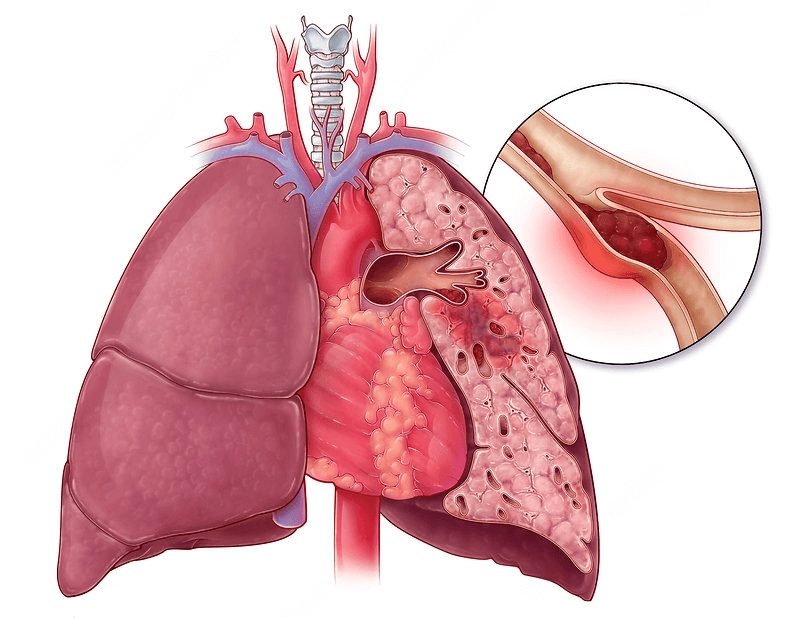
The mechanism of pulmonary embolism begins with the formation of a blood clot in a deep vein, a process known as deep vein thrombosis (DVT). These clots often form due to several factors, such as prolonged immobilization, surgery, injury, or certain health problems that increase the tendency of the blood to clot.
Once a clot has formed, part of it can break off and enter the bloodstream. This detached clot then travels through the circulatory system until it reaches the lungs. When the blood clot enters a pulmonary artery, it blocks that artery, obstructing the flow of oxygen to the affected part of the lungs and disrupting the body’s ability to get the oxygen it needs. This process can cause symptoms that are often life-threatening, and if not treated quickly, it can be fatal.
Symptoms of Pulmonary Embolism
Pulmonary embolism can cause a variety of symptoms, ranging from mild to severe. Common symptoms you may experience include:
- Shortness of breath: This can occur suddenly and may worsen with physical activity.
- Chest pain: This pain often feels sharp, similar to a heart attack, and may increase when you take a deep breath.
- Cough: Some patients may have a dry cough, while others may cough up blood.
- Cold sweats: Sweating excessively for no clear reason can also be a sign.
- Dizziness or fainting: If the pulmonary arteries are blocked severely enough, it can cause a drop in blood pressure that leads to dizziness or even fainting.
These symptoms can appear suddenly, and their severity depends greatly on how large an area of the lungs is affected by the blockage.
Differences in Symptoms Between Men and Women
In general, the symptoms of pulmonary embolism do not differ markedly between men and women. However, some studies suggest that women, especially those who are pregnant or using hormonal contraception, may be more likely to experience unusual symptoms such as leg pain or swelling, as an early sign of deep vein thrombosis that can potentially lead to pulmonary embolism. This highlights the importance of being aware of these differences in the context of the symptoms that appear.
The Importance of Recognizing Early Symptoms
Recognizing the early symptoms of pulmonary embolism is very important for getting prompt and appropriate treatment. The earlier pulmonary embolism is diagnosed, the greater the chance of reducing the risk of serious complications or death. Early symptoms such as shortness of breath and certain types of chest pain should not be ignored, and patients are encouraged to act proactively.
It is strongly recommended that you seek medical help immediately if you or someone you know experiences the following symptoms:
- Sudden or worsening shortness of breath
- Stabbing chest pain, especially if accompanied by cold sweats, dizziness, or fainting
- Coughing up blood
These symptoms are emergency signs that require immediate medical treatment. Do not hesitate to go to the hospital or call an ambulance, because delays can be fatal. Educating yourself about the symptoms of pulmonary embolism can save lives.
Risk Factors for Pulmonary Embolism
Several risk factors can increase a person’s chance of developing pulmonary embolism. The most common include:
- Deep Vein Thrombosis (DVT): This is the main cause of pulmonary embolism, in which a blood clot forms in a deep vein, usually in the leg.
- Prolonged Immobilization: Situations such as long-distance air travel or bed rest after surgery can slow blood flow, increasing the risk of clotting.
- Age: The risk of pulmonary embolism increases with age, especially in people over 60.
- Chronic Diseases: Health conditions such as cancer, heart disease, or respiratory disorders can contribute to this increased risk.
- Use of Hormonal Contraception: Women who use hormonal contraception or are pregnant have a higher risk, especially during the postpartum period.
Genetic Factors That Increase Risk
Some people may have genetic factors that increase their risk of developing blood clots. This condition is known as thrombophilia, which can be inherited from parents. Some common types of thrombophilia include:
- Gene Mutation of Factor V Leiden: This mutation can make blood clot more easily in the circulation.
- Antiphospholipid Syndrome: This is an autoimmune disorder that can increase the risk of blood clots.
- Antithrombin Deficiency: This condition affects the body’s ability to prevent uncontrolled blood clotting.
Knowing your family history and undergoing genetic testing if needed can help people recognize this risk earlier.
The Role of Lifestyle in Increasing the Risk of Pulmonary Embolism
A person’s lifestyle can also contribute to an increased risk of pulmonary embolism. Some lifestyle factors to watch for include:
- Lack of physical activity: Not exercising regularly can cause blood to pool in the veins, especially in the lower body.
- Obesity: Excess body weight increases pressure on the veins and can impede blood flow.
- Smoking: Smoking can damage blood vessels and increase the risk of clotting.
- Dehydration: Getting enough fluids is very important for maintaining good blood flow. Dehydration can thicken the blood and increase the risk of clotting.
Therefore, changing your lifestyle by getting regular physical activity, maintaining a healthy weight, and quitting smoking can significantly help reduce the risk of pulmonary embolism. By paying attention to these risk factors, we can take preventive steps to protect the health of our lungs.
Diagnosing Pulmonary Embolism
Diagnosing pulmonary embolism (PE) is not easy because its symptoms are often vague and similar to those of other diseases. To ensure an accurate and timely diagnosis, several medical tests are needed. The following are commonly used methods for diagnosing PE.
- CT Angiography (Computed Tomography Angiography): CT angiography is one of the most common diagnostic methods for identifying pulmonary embolism. This procedure involves scanning the body with X-rays combined with a liquid contrast agent to obtain detailed images of the blood vessels in the lungs. Its advantage is its ability to provide clear and fast visualization of the pulmonary arteries, making it easier for doctors to determine whether there is a blockage.
- Chest X-Ray: Although it does not specifically show pulmonary embolism, a chest X-ray can help evaluate the general condition of the lungs. This method can be used to check for other signs that may indicate a lung problem, such as swelling or fluid in the chest cavity.
- DVT Ultrasonography (USG): Venous ultrasound is used to detect deep vein thrombosis (DVT), which is often the source of the blood clots that cause pulmonary embolism. The advantages of this method are that it involves no radiation and can be done quickly. If DVT is detected, this can increase the likelihood of pulmonary embolism.
- Ventilation-Perfusion (V/Q) Scan: This method involves two types of scans, one to measure blood flow to the lungs and another to examine air circulation in the lungs. If there is no blood flow matching an area that is receiving ventilation, this may indicate pulmonary embolism. This method is useful for patients who cannot undergo CT angiography due to a contrast allergy or kidney problems.
- D-dimer Test: The D-dimer test measures the level of a substance in the blood that appears when a clot is dissolved. High D-dimer levels can indicate a blood clot in the body, but they are not specific to pulmonary embolism. This test is often used together with other diagnostic methods to provide a more complete picture.
- MRI (Magnetic Resonance Imaging): In some cases, MRI can be used to diagnose pulmonary embolism, especially in patients with certain conditions such as pregnancy, where radiation should be avoided. Although it is used less often than CT angiography, MRI can provide specific information about the blood vessels.
Each of these methods has its own advantages, and choosing the right method depends on the patient’s condition, the medical institution, and the availability of equipment.
Treatment of Pulmonary Embolism
Treatment of pulmonary embolism aims to stop the blood clot from growing, prevent new clots, and improve blood flow to the lungs. The following are the main treatment options:
1. Anticoagulants (Blood Thinners)
Anticoagulants are medicines used to reduce the blood’s ability to clot. These medicines, such as warfarin, heparin, or direct oral anticoagulants (DOACs), help prevent new clots from forming and slow the growth of existing clots. Although effective, anticoagulants can cause side effects such as bleeding, especially if they are not used correctly.
Anticoagulants are effective in preventing further clotting, but the risk of bleeding must be monitored. Other possible side effects include allergic reactions, liver damage (for some types), and interactions with other medicines.
2. Thrombolytics
Thrombolytic medicines are used to dissolve large blood clots and restore blood flow to the lungs. This method is usually used in severe cases where pulmonary embolism is life-threatening. Examples include alteplase or reteplase. Although thrombolytics can save lives, they also carry a high risk of causing severe bleeding, including bleeding in the brain.
Thrombolytics can be beneficial in emergencies but require close monitoring because of their potential to cause severe bleeding. Other side effects can include allergic reactions or hematologic problems.
3. Surgery
Surgical procedures, such as embolectomy, may be performed in emergencies when other treatments are not effective or when the blood clot is very large. This procedure involves removing the blood clot from the pulmonary artery. However, surgery is usually only considered if the patient is in critical condition and other treatment options have not worked.
Surgery carries risks of infection, anesthesia complications, and postoperative discomfort.
Supportive Care to Aid Recovery
In addition to the main treatments, supportive care is very important in a patient’s recovery after a pulmonary embolism. Some steps that can be taken include:
- Pulmonary Rehabilitation: Exercises to improve lung function can be very helpful, especially for patients who have breathing problems.
- Pain Management: Using analgesics to reduce discomfort after treatment.
- Ongoing Monitoring: Regular follow-up visits to evaluate the need for continued therapy, such as anticoagulant treatment and management of existing risk factors.
- Healthy Lifestyle: Encouraging patients to adopt a healthy lifestyle, such as exercising regularly, maintaining an ideal body weight, and quitting smoking, to prevent recurrence.
With proper treatment and good supportive care, many patients can recover well and reduce the risk of complications in the future.
Preventing Pulmonary Embolism
Adopting a healthy lifestyle is an important step in preventing pulmonary embolism. Some effective prevention strategies include:
- Regular Exercise: Regular physical activity can help maintain good blood circulation. It is recommended to exercise at least 150 minutes per week, choosing activities you enjoy, such as walking, cycling, or swimming.
- Avoiding Smoking: Smoking can damage blood vessels and increase the risk of blood clots. If you smoke, seeking help to quit can significantly lower the risk of cardiovascular problems, including pulmonary embolism.
- Eating Healthy Foods: A diet rich in fiber, fruits, vegetables, and whole grains can help maintain heart health. Reducing your intake of salt, saturated fat, and sugar is also important to prevent cardiovascular disease.
- Avoiding Sitting or Lying Down for Too Long: If you work at a desk or travel long distances, it is important to stand up and move every one to two hours. This helps prevent blood from pooling in the lower limbs, which can lead to clotting.
- Wearing Compression Stockings: For people at high risk, for example after surgery or with circulation problems, wearing compression stockings may help improve blood flow and reduce the risk of clotting.
Tips to Reduce the Risk of Pulmonary Embolism After Surgery or During Long Trips
After surgery or during long trips, there are several steps you can take to reduce the risk of pulmonary embolism, such as:
- Doing Leg Exercises: Simple exercises such as moving your toes and ankles can help blood circulation during long trips.
- Taking Frequent Breaks: If you are traveling by plane or car, try to get up and walk around for a few minutes every one to two hours.
- Using Anticoagulant Medicines: In some cases, doctors may recommend anticoagulant treatment to prevent blood clots, especially for patients at high risk.
- Choose a Comfortable Seat: When traveling, choose a seat that allows you to move more freely.
Each person has different risk factors for pulmonary embolism. Therefore, it is very important to consult a doctor to get a prevention strategy suited to your personal medical history and existing conditions. Prevention steps can vary from person to person, and a doctor can help formulate an appropriate plan and provide recommendations according to your level of risk.
Complications of Pulmonary Embolism
If pulmonary embolism is not treated properly, it can lead to various serious complications that can affect a person’s long-term health. Some potential complications include:
- Sudden Death: One of the most serious risks associated with pulmonary embolism is the possibility of sudden death. When a blood clot blocks a pulmonary artery, it can drastically reduce blood flow to the heart and lungs, which in certain cases can be fatal. According to data from several studies, pulmonary embolism can cause death in up to 30% of untreated cases.
- Chronic Pulmonary Hypertension: If pulmonary embolism occurs repeatedly or is left untreated, it can cause increased blood pressure in the pulmonary arteries (pulmonary hypertension). This condition forces the heart to work harder to pump blood and can lead to right-sided heart failure. Pulmonary hypertension is a serious condition that can significantly affect a patient’s quality of life.
- Heart Failure: A long-term consequence of untreated pulmonary embolism can be heart failure. When the pulmonary arteries are blocked, the heart has to pump harder to overcome the disrupted blood circulation. If this situation lasts a long time, it can cause long-term damage to the heart and affect its ability to function effectively.
- Lung Damage: A blood clot blocking a pulmonary artery can reduce the oxygen supply to lung tissue, which can cause permanent damage. This can contribute to the development of chronic lung conditions, such as pulmonary fibrosis.
- Chain Reaction in the Cardiovascular System: When pulmonary embolism occurs, it can trigger a chain reaction in the cardiovascular system, including changes in heart rhythm (arrhythmia) that can be dangerous and increase the risk of a heart attack.
Ignoring the signs and symptoms of pulmonary embolism can have serious consequences, so it is very important to seek medical care immediately if you or someone else has suspicious symptoms. Prompt and appropriate treatment can improve the prognosis and reduce the risk of potentially life-threatening complications.
Conclusion
Pulmonary embolism is a serious condition that can be life-threatening and is caused by a blood clot blocking a pulmonary artery. It is important to recognize the symptoms, such as shortness of breath, chest pain, and coughing up blood, so that treatment can be given quickly. Risk factors such as deep vein thrombosis, prolonged immobilization, and an unhealthy lifestyle can increase the likelihood of pulmonary embolism. Appropriate treatment, including anticoagulants, thrombolytics, or even surgery in certain cases, is very important to prevent further complications.
Taking care of your lungs and cardiovascular system is very important. By adopting a healthy lifestyle, such as regular exercise, a balanced diet, and not smoking, we can prevent various serious conditions, including pulmonary embolism. In addition, awareness of the symptoms and risk factors can help with early detection and more effective treatment.
Protect yourself and your family from the risk of lung and cardiovascular disease by taking proactive steps. Have regular health checkups, consult a doctor about your risk factors, and adopt a healthy lifestyle. Do not wait until symptoms appear; preventive action is key to protecting the health and safety of your family. Let us work together to create a healthier environment for ourselves and our loved ones.
Remember that the information in this article is educational and is not a substitute for professional medical advice. If you have symptoms or risk factors for pulmonary embolism or other cardiovascular (heart and blood vessel) diseases, consult a specialist promptly or visit Heartology Cardiovascular Hospital for proper evaluation and care.
At Heartology Cardiovascular Hospital, cardiologists can explain your condition, procedures, risks, and the benefits of examinations, and answer your questions about heart and blood vessel health.
Get Urgent Help First.
If symptoms are severe or come on suddenly, do not wait for a scheduled consultation. Go to the nearest emergency department right away.
The information on this page is for educational purposes and does not replace medical consultation, diagnosis, or treatment. For any health concerns, please consult a doctor directly.Doctors Related to This Topic

dr. Santi R. Dewayanti, Sp.P
Pulmonology
Clinical focusLung and Respiratory Disease · Asthma and COPD
View Profile
Dr. dr. Dafsah A. Juzar, Sp.JP(K)
Interventional Cardiology
Coronary Intervention Procedures +1 center
Clinical focusComplex Coronary Intervention · Cardiac Catheterization
View Profile
dr. Suko Adiarto, Sp.JP(K), Ph.D.
Interventional Cardiology
Vascular Diagnostic and Therapeutic Center +1 center
Clinical focusCoronary Intervention · Peripheral Vascular Intervention
View ProfileFrequently Asked Questions.
Here are some frequently asked questions about pulmonary embolism.
Is There a Link Between Age and the Risk of Pulmonary Embolism?
Yes, the risk of pulmonary embolism increases with age. People over 60 years old have a higher risk of developing blood clots.
Can Hormone Therapy Increase the Risk of Pulmonary Embolism in Women?
Yes, the use of hormone therapy such as birth control pills or hormone therapy for menopause can increase the risk of blood clots in women, and this should be considered by a doctor before it is prescribed.
Can Pulmonary Embolism Happen More Than Once?
Yes, pulmonary embolism can happen more than once, especially if the underlying cause, such as deep vein thrombosis, is not treated or risk factors are not managed well.
Are There Activity Restrictions After a Pulmonary Embolism?
Yes, after a pulmonary embolism, doctors usually recommend limiting certain physical activities until the patient's condition is stable and there are no ongoing symptoms.
Sources and Transparency.
The information on this page is for educational purposes and does not replace medical consultation, diagnosis, or treatment. For any health concerns, please consult a doctor directly.
If you find information that needs clarifying, let us know through our Contact Us page.