Skip to content

Heart Wellness

Understand More.
Feel Ready for the Next Step.

Find explanations for everyday questions about the heart, tests, and care. Each article is translated from an Indonesian edition reviewed by a Heartology doctor.

Try searching:

Latest · Cardiovascular Therapy

DAPT (Dual Antiplatelet Therapy): Uses, Medications, Duration, and Side Effects

Dual antiplatelet therapy (DAPT) combines two antiplatelet medications, usually aspirin and a P2Y12 inhibitor, to reduce blood clot formation. It is…

Read This Article
Explore reading

Find Answers That Matter to You.

Newest first

234 articles available

Cardiovascular Therapy

DAPT (Dual Antiplatelet Therapy): Uses, Medications, Duration, and Side Effects

Dual antiplatelet therapy (DAPT) combines two antiplatelet medications, usually aspirin and a P2Y12 inhibitor, to reduce blood clot formation. It is…

Indonesian edition reviewed by Dr. med. dr. Denio A. Ridjab, Sp.JP(K), October 22, 2026Read Article
Cardiovascular Therapy

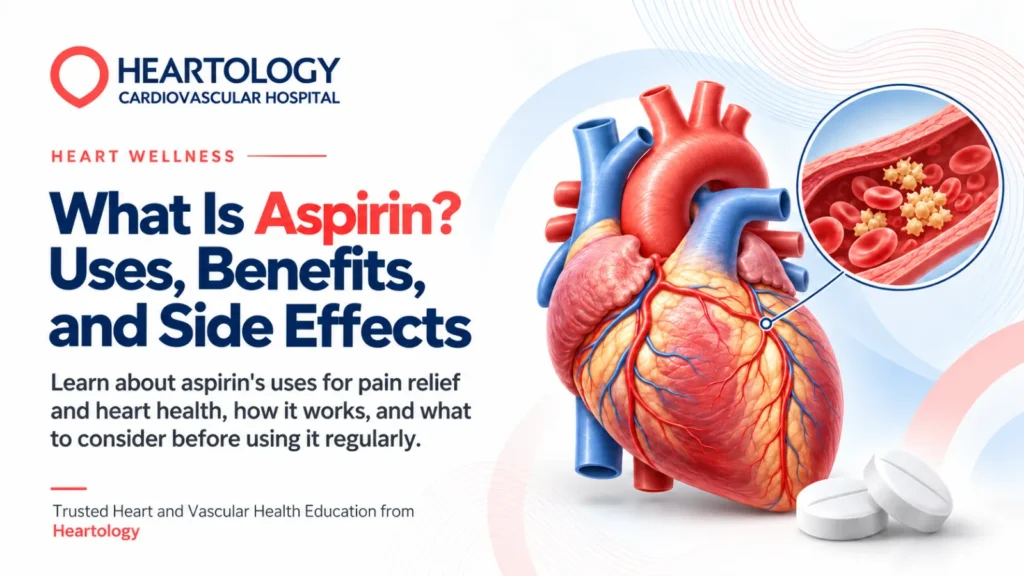
What Is Aspirin? Uses, Benefits, and Side Effects

Aspirin is a medication containing acetylsalicylic acid, commonly used to relieve pain and reduce fever. At low doses, aspirin also inhibits platelet…

Indonesian edition reviewed by dr. Adrianus Kosasih, Sp.JP(K), October 20, 2026Read Article
Heart Disease

What to Do If You Suspect a Heart Attack While Alone: Essential Emergency Steps

If you experience symptoms of a possible heart attack while alone, immediately call Indonesia's medical emergency number, 119, or 112 if you are in…

Indonesian edition reviewed by Dr. dr. Jajang Sinardja, Sp.JP(K)Read Article
Heart Disease

5 Signs of a Heart Attack You Should Watch For

Five warning signs of a heart attack include chest pain or pressure, pain spreading to the arm or jaw, shortness of breath, cold sweats with nausea…

Indonesian edition reviewed by dr. Adrianus Kosasih, Sp.JP(K)Read Article
Cardiovascular Tests

SGOT (AST): Normal Range, Causes of High Levels, and How to Interpret Your Results

SGOT (AST) is an enzyme found in the liver, muscles, heart, and other body tissues. An SGOT blood test helps doctors assess possible cellular injury…

Indonesian edition reviewed by dr. Khaira U. Yusrie, Sp.PD-KGEHRead Article
Cardiovascular Tests

SGPT: Normal Values, Causes of High SGPT, and How to Understand Medical Check-Up Results

SGPT is an older term for ALT, an enzyme found mainly in the liver. An elevated SGPT value indicates that further evaluation is needed, but it does…

Indonesian edition reviewed by dr. Khaira U. Yusrie, Sp.PD-KGEHRead Article
Cardiovascular Tests

Cardiac FFR (Fractional Flow Reserve): Function, Values, and Its Role in Assessing Coronary Narrowing

Cardiac FFR, or Fractional Flow Reserve, is a pressure-based test that helps assess whether a narrowing in a coronary artery truly restricts blood…

Indonesian edition reviewed by Dr. med. dr. Denio A. Ridjab, Sp.JP(K), October 6, 2026Read Article
Cardiovascular Tests

Tilt Table Test: A Test to Find the Cause of Fainting and Dizziness When Standing

The Tilt Table Test is a test that helps doctors assess changes in blood pressure, heart rate, and symptoms as the body moves from lying down to an…

Indonesian edition reviewed by dr. Sri Diniharini, Sp.JP(K), October 2, 2026Read Article
Heart Disease

Irregular Heartbeat: Causes, Signs of Arrhythmia, and When to Get Checked

An irregular heartbeat can feel like pounding, a heartbeat that is too fast or too strong, or a beat that seems to be skipped. This symptom does not…

Indonesian edition reviewed by Dr. dr. Faris Basalamah, Sp.JP(K), September 30, 2026Read Article
Healthy Lifestyle

Heart-Healthy Foods: Good Choices and How to Manage Them Every Day

Heart-healthy eating emphasizes a balanced diet rich in vegetables, fruit, high-fiber carbohydrate sources, fish, plant-based protein, and…

Indonesian edition reviewed by dr. Juweni Joe, Sp.GK, September 29, 2026Read Article
Healthy Lifestyle

Fruits People With Heart Disease Should Not Eat: Which Ones Need to Be Limited?

There is no single list of fruits to avoid that applies to every person with heart disease. Most fruits can still be eaten, but portion size…

Indonesian edition reviewed by dr. Juweni Joe, Sp.GK, September 25, 2026Read Article
Cardiovascular Therapy

Benefits of a Heart Second Opinion Before Making Treatment Decisions

A heart second opinion can help patients understand the diagnosis, the reasons behind a recommended procedure, treatment options, benefits, risks…

Indonesian edition reviewed by Dr. med. dr. Denio A. Ridjab, Sp.JP(K), September 21, 2026Read Article
Cardiovascular Therapy

Validating a Parent’s Heart Diagnosis: 7 Things to Confirm Before Deciding

Validating a heart diagnosis helps patients and families understand whether the diagnosis, test results, severity, urgency, benefits, risks, and…

Indonesian edition reviewed by dr. Emanoel Oepangat, Sp.JP(K), September 23, 2026Read Article
Cardiovascular Therapy

The Family’s Role in a Heart Second Opinion: Supporting Without Taking Over the Decision

The family's role in a heart second opinion includes helping the patient prepare information, draw up questions, accompany them to consultations…

Indonesian edition reviewed by dr. Adrianus Kosasih, Sp.JP(K), September 16, 2026Read Article
Cardiovascular Therapy

Medical Documents Needed for a Heart Second Opinion

Medical documents for a heart second opinion help the doctor understand the diagnosis, tests, therapy, and procedures the patient has already had…

Indonesian edition reviewed by Dr. med. dr. Denio A. Ridjab, Sp.JP(K), September 15, 2026Read Article
Cardiovascular Therapy

The Urgency of a Heart Second Opinion for Parents: When Should It Be Considered?

A heart second opinion for parents may be considered when the diagnosis, urgency, benefits, risks, or treatment options are still unclear. A second…

Indonesian edition reviewed by dr. Sri Diniharini, Sp.JP(K), September 9, 2026Read Article
Cardiovascular Therapy

What Should You Prepare Before a Heart Second Opinion Consultation?

Preparing for a heart second opinion includes gathering the medical summary, relevant test results, a list of medications, procedure history, a…

Indonesian edition reviewed by dr. BRM Ario S. Kuncoro, Sp.JP(K), September 10, 2026Read Article
Cardiovascular Therapy

What Is a Second Opinion in Heart Health? Meaning, Purpose, and Benefits

A heart second opinion is a medical opinion from another doctor that helps review a diagnosis, test results, or treatment plan that has already been…

Indonesian edition reviewed by dr. Suko Adiarto, Sp.JP(K), Ph.D., September 7, 2026Read Article
Cardiovascular Therapy

Already Have a Recommendation? Understand Heart Treatment Options Before Deciding

Heart treatment options should be understood based on the diagnosis, test results, treatment goals, level of urgency, benefits, risks, and relevant…

Indonesian edition reviewed by dr. Siska S. Danny, Sp.JP(K), September 4, 2026Read Article
Cardiovascular Therapy

Unsure About a Parent’s Heart Treatment? When Can a Second Opinion Help?

Choosing the right heart treatment starts with understanding the diagnosis, the goal of the procedure, the urgency, benefits, risks, alternatives…

Indonesian edition reviewed by dr. Emanoel Oepangat, Sp.JP(K), September 1, 2026Read Article
Cardiovascular Therapy

Unsure About Your Heart Disease Diagnosis? Steps You Can Take

Patients who are unsure about a heart disease diagnosis can ask for further explanation of the basis of the diagnosis, the level of urgency, and the…

Indonesian edition reviewed by dr. Sri Diniharini, Sp.JP(K), August 28, 2026Read Article
Cardiovascular Therapy

Still Having Symptoms After Ablation? Know When You Need a Second Opinion

A second opinion after cardiac ablation may be considered when symptoms keep recurring, test results are not yet understood, there are differences in…

Indonesian edition reviewed by dr. Sunu B. Raharjo, Sp.JP(K), Ph.D., August 19, 2026Read Article
Cardiovascular Therapy

Still Having Symptoms After a Heart Stent? When to Consider a Second Opinion

A second opinion after a heart stent may be considered when the patient's condition is stable but symptoms persist or come back, test results are not…

Indonesian edition reviewed by dr. Adrianus Kosasih, Sp.JP(K), August 18, 2026Read Article
Cardiovascular Therapy

Symptoms After Heart Surgery: Is a Second Opinion Needed?

Not every symptom after heart surgery requires a second opinion. Patients who are already stable may consider a second medical opinion if their…

Indonesian edition reviewed by Dr. dr. Dudy A. Hanafy, Sp.BTKV, Subsp. JD(K), MARS, August 14, 2026Read Article
Cardiovascular Therapy

Before Getting Heart Treatment Abroad, Check These 8 Things

Heart treatment abroad may be considered when a patient needs certain expertise, facilities, or evaluations. However, the decision should start with…

Indonesian edition reviewed by Dr. med. dr. Denio A. Ridjab, Sp.JP(K), August 12, 2026Read Article
Cardiovascular Therapy

Different Cardiologist Recommendations? How to Decide Your Next Step

If cardiologists' recommendations differ, patients and families should first understand the differences in diagnosis, test results, treatment goals…

Indonesian edition reviewed by Dr. dr. Dicky A. Hanafy, Sp.JP(K), August 11, 2026Read Article
Cardiovascular Therapy

Unclear Heart Disease Diagnosis? Understand What It Means and Your Next Steps

An unclear heart disease diagnosis does not always mean that the diagnosis is wrong. This can happen because information is incomplete, test results…

Indonesian edition reviewed by Dr. dr. Jajang Sinardja, Sp.JP(K), August 10, 2026Read Article
Cardiovascular Therapy

7 Signs You Need a Second Opinion Before a Cardiovascular Procedure

A second opinion for a cardiovascular procedure is worth considering when the patient or family does not yet understand the reason for the procedure…

Indonesian edition reviewed by Dr. med. dr. Denio A. Ridjab, Sp.JP(K), August 6, 2026Read Article
Cardiovascular Therapy

When Should You Seek a Second Opinion From a Cardiologist? 7 Important Situations

A second opinion from a cardiologist may be considered when the diagnosis is unclear, there are several treatment options, doctors' recommendations…

Indonesian edition reviewed by Dr. dr. Faris Basalamah, Sp.JP(K), August 5, 2026Read Article
Cardiovascular Therapy

Why Is a Second Opinion Important Before Deciding on Heart Treatment?

A cardiac second opinion helps patients and families understand the diagnosis, level of urgency, benefits, risks, and treatment options before making…

Indonesian edition reviewed by Dr. dr. Jajang Sinardja, Sp.JP(K), August 3, 2026Read Article
Cardiovascular Tests

Normal LDL but High ApoB? Understanding What It Means and What to Do Next

When medical check-up results show many numbers, working out which ones are relevant can feel confusing. This apolipoprotein B (ApoB) guide explains…

Indonesian edition reviewed by dr. Sri Diniharini, Sp.JP(K), July 31, 2026Read Article
Cardiovascular Tests

Normal Cholesterol but High Lp(a)? What You Need to Know

Lipoprotein(a), or Lp(a), is a cholesterol-carrying particle whose level is mainly determined by genetic factors. High levels can add to the risk of…

Indonesian edition reviewed by dr. Sri Diniharini, Sp.JP(K), July 29, 2026Read Article
Cardiovascular Tests

Low eGFR: Causes, What the Numbers Mean, and Next Steps

eGFR is an estimate of how well the kidneys filter blood, usually calculated from the creatinine level, age, and sex. The result helps assess kidney…

Indonesian edition reviewed by Dr. dr. Faris Basalamah, Sp.JP(K), July 28, 2026Read Article
Cardiovascular Tests

Abnormal MCU Results? Understand What They Mean and Your Next Steps

Medical check-up results are a summary of your health condition from various tests, such as blood tests, blood pressure, organ function, ECG, and…

Indonesian edition reviewed by dr. Sri Diniharini, Sp.JP(K), July 23, 2026Read Article
Cardiovascular Tests

Chest X-Ray to Assess the Heart and Lungs: What You Need to Know

A chest X-ray is a noninvasive imaging test that uses X-rays to assess the lungs, heart silhouette, airways, large blood vessels, bones, and…

Indonesian edition reviewed by dr. BRM Ario S. Kuncoro, Sp.JP(K), July 21, 2026Read Article
Cardiovascular Tests

Cardiac MRI: Benefits, Procedure, and When the Test Is Needed

Cardiac MRI is a noninvasive imaging test that uses a magnetic field and radio waves to assess the structure, function, blood flow, and tissue…

Indonesian edition reviewed by Dr. dr. Dafsah A. Juzar, Sp.JP(K), July 20, 2026Read Article
Cardiovascular Therapy

When Is a Heart Transplant Needed? A Guide for Patients and Families

A heart transplant is surgery to replace a heart that can no longer pump blood adequately with a healthy donor heart. This procedure is considered…

Indonesian edition reviewed by Dr. dr. Dudy A. Hanafy, Sp.BTKV, Subsp. JD(K), MARS, July 15, 2026Read Article
Cardiovascular Therapy

Cardioversion for Arrhythmia: When Is It Needed and Is It Safe?

Cardioversion is a medical procedure that helps restore certain heart rhythms that are too fast or irregular to a more organized rhythm. It can be…

Indonesian edition reviewed by dr. Sunu B. Raharjo, Sp.JP(K), Ph.D., July 14, 2026Read Article
Cardiovascular Therapy

Statins to Prevent Heart Attacks: Who Needs Them?

Statins are a group of prescription medications that help lower LDL cholesterol and reduce the risk of heart attack, stroke, and cardiovascular…

Indonesian edition reviewed by Dr. dr. Jajang Sinardja, Sp.JP(K), July 13, 2026Read Article
Related Conditions

Chronic Gastritis Is More Than an Ordinary Stomach Ache: Signs to Watch For

Chronic gastritis is inflammation of the stomach lining that lasts a long time or keeps coming back, often felt as chronic stomach trouble (known in…

Indonesian edition reviewed by dr. Khaira U. Yusrie, Sp.PD-KGEH, July 9, 2026Read Article
Related Conditions

Shingles Is More Than a Rash: Recognize Herpes Zoster Early

Herpes zoster (shingles) is a condition caused by reactivation of the varicella-zoster virus, the same virus that causes chickenpox. It can cause a…

Indonesian edition reviewed by dr. Debby C. Soemitha, Sp.PD, July 7, 2026Read Article
Related Conditions

Bloody Stools and Abdominal Pain? Learn About Ulcerative Colitis

Ulcerative colitis is a chronic inflammatory bowel disease that mainly affects the large intestine and rectum. It can cause bloody diarrhea…

Indonesian edition reviewed by dr. Debby C. Soemitha, Sp.PD, July 6, 2026Read Article
Autoimmune Disease

Scleroderma and the Heart: When Is Further Evaluation Needed?

Scleroderma is an autoimmune disease that can cause the skin to tighten and thicken. In the systemic type, the condition can involve the blood…

Indonesian edition reviewed by dr. Debby C. Soemitha, Sp.PD, July 3, 2026Read Article
Related Conditions

Recurring Bleeding Gums? Understand Periodontitis and When to Get Checked

Periodontitis is a chronic gum disease caused by inflammation and infection of the tissues that support the teeth. It can cause bleeding gums, bad…

Indonesian edition reviewed by dr. Debby C. Soemitha, Sp.PD, July 2, 2026Read Article
Related Conditions

Burning Chest and Shortness of Breath: GERD or a Heart Problem? Know the Difference

GERD (gastroesophageal reflux disease) is a condition in which stomach acid flows back up into the esophagus and causes complaints such as a burning…

Indonesian edition reviewed by dr. Debby C. Soemitha, Sp.PD, June 29, 2026Read Article
Autoimmune Disease

Lupus (SLE) and the Heart: Chest Symptoms, Shortness of Breath, and Important Warning Signs

Systemic Lupus Erythematosus (SLE) is a chronic autoimmune disease in which the immune system attacks the body's own tissues. Its symptoms can affect…

Indonesian edition reviewed by dr. Debby C. Soemitha, Sp.PD, June 29, 2026Read Article
Autoimmune Disease

What Is Rheumatoid Arthritis? Symptoms, Causes, and Its Link to the Heart

Rheumatoid Arthritis is a chronic autoimmune disease that causes joint inflammation, often marked by pain, morning stiffness, swelling, and tiring…

Indonesian edition reviewed by dr. Debby C. Soemitha, Sp.PD, June 9, 2026Read Article
Autoimmune Disease

Autoimmune Disease: Symptoms, Causes, and Effects on the Heart

Autoimmune disease occurs when the immune system mistakenly attacks the body's own tissues. Its symptoms can be vague, such as tiring easily, joint…

Indonesian edition reviewed by dr. Debby C. Soemitha, Sp.PD, June 23, 2026Read Article
Blood Vessel Disease

Cold and Painful Feet in Smokers? Watch Out for Buerger’s Disease

Buerger's disease is a disorder involving inflammation and blockage of small to medium-sized blood vessels that is often linked to tobacco use. The…

Indonesian edition reviewed by dr. Emanoel Oepangat, Sp.JP(K), June 26, 2026Read Article
Blood Vessel Disease

Kawasaki Disease and Children’s Hearts: When Should You See a Doctor Right Away?

Kawasaki disease is inflammation of the blood vessels in children that can appear with a fever lasting more than five days, red eyes, a rash, cracked…

Indonesian edition reviewed by dr. Radityo Prakoso, Sp.JP(K), June 25, 2026Read Article
Autoimmune Disease

Crohn’s Disease Is Not Ordinary Diarrhea: Symptoms to Watch For

Crohn's disease is a chronic inflammation of the bowel that can cause prolonged diarrhea, abdominal pain, bloody stools, weight loss, and fatigue…

Indonesian edition reviewed by dr. Debby C. Soemitha, Sp.PD, June 24, 2026Read Article
Blood Vessel Disease

Be Aware of Vasculitis: Symptoms, Risks, and Prevention

Vasculitis is inflammation of the blood vessels that can disrupt blood flow and trigger different symptoms, from a rash, fever, and pain to organ…

Indonesian edition reviewed by dr. Emanoel Oepangat, Sp.JP(K), June 23, 2026Read Article
Related Conditions

Hemochromatosis and the Heart: Iron Overload Risks That Often Go Unnoticed

Hemochromatosis is a condition in which the body absorbs or stores excess iron, causing iron to build up in organs such as the liver, pancreas…

Read Article
Autoimmune Disease

Sarcoidosis: Can It Be Cured, and When Should You See a Doctor?

Sarcoidosis is an inflammatory disease that forms granulomas in organs such as the lungs, lymph nodes, skin, eyes, and heart. Some cases may improve…

Read Article
Related Conditions

Amyloidosis: When Abnormal Proteins Affect Heart Function

Amyloidosis is a rare condition in which an abnormal protein called amyloid builds up in the body's tissues or organs. When it builds up in the…

Read Article
Related Conditions

What Is Sepsis? Watch for Emergency Signs of an Infection That Can Worsen Quickly

Sepsis is a medical emergency in which the body's response to an infection becomes excessive and disrupts organ function. Warning signs include rapid…

Read Article
Related Conditions

Breathing Stops During Sleep? Recognize the Early Symptoms of Sleep Apnea

Sleep apnea is a breathing disorder during sleep in which airflow repeatedly decreases or stops temporarily. Symptoms may include loud snoring…

Read Article
Related Conditions

Cough With Phlegm and Tiring Quickly During Activity? Know the Signs of COPD

A long-lasting cough with phlegm and tiring quickly during activity may be signs of chronic obstructive pulmonary disease (COPD), especially when…

Read Article
Related Conditions

High Uric Acid: How Is It Linked to the Kidneys, Diabetes, and the Heart?

High uric acid occurs when the body produces too much uric acid or the kidneys are less effective at removing it. This condition is often found…

Read Article
Heart Disease

Atrial Flutter and Stroke Risk: Symptoms You Should Not Ignore

Atrial flutter is a heart rhythm disorder in which the upper chambers of the heart (atria) beat too fast in a pattern that tends to be regular…

Read Article
Heart Disease

Primary Hypertension Often Has No Symptoms: When Should You See a Doctor?

Primary hypertension often causes no symptoms, so your blood pressure needs to be measured regularly even when you feel healthy. See a doctor if your…

Read Article
Heart Disease

Secondary Hypertension in Working-Age Adults: When Is Further Evaluation Needed?

Further evaluation to look for secondary hypertension should be considered when high blood pressure appears at a young age, especially before 40…

Read Article
Blood Vessel Disease

Do Your Legs Feel Heavy in the Afternoon? Watch Out for Chronic Venous Insufficiency

Legs that feel heavy, achy, or swollen around the ankles in the afternoon, especially after standing or sitting for a long time and improving when…

Read Article
Cardiovascular Therapy

Beta Blockers for the Heart: When They Are Prescribed and Who Needs to Be Careful

Beta blockers are prescription medications that slow the heart rate and lower blood pressure. Doctors may prescribe them for hypertension, angina…

Read Article
Cardiovascular Therapy

When Is Heart Valve Surgery Needed? A Doctor Explains

Heart valve surgery is generally considered when a valve has narrowing (stenosis) or leakage (regurgitation) severe enough to disrupt blood flow and…

Read Article
Cardiovascular Therapy

Balloon Angioplasty: A Procedure to Open Heart Artery Blockages Without Surgery

Balloon angioplasty is a minimally invasive procedure to open heart arteries that are narrowed or blocked by plaque. The doctor inserts a…

Read Article
Heart Disease

Leaky Heart Valve: Is It Dangerous and Can It Be Cured?

A leaky heart valve (regurgitation) can range from mild to severe. Mild leaks often cause no symptoms and only need regular monitoring, while severe…

Read Article
Related Conditions

Noonan Syndrome: Diagnosis, Treatment, and Life Expectancy in Children

Noonan syndrome is a congenital genetic disorder that affects growth, facial features, and often the heart, for example pulmonary valve stenosis or…

Read Article
Heart Disease

Often Short of Breath? Watch Out for Pulmonary Hypertension

Frequent shortness of breath, especially during light activity, may be one sign of pulmonary hypertension, which is increased blood pressure in the…

Read Article
Heart Disease

Eisenmenger Syndrome: A Congenital Heart Disease Complication to Watch For

Eisenmenger syndrome is a late complication of a congenital heart defect, such as an ASD, VSD, or PDA, that was not treated early. The pressure in…

Read Article
Heart Disease

Watch Out for Brugada Syndrome: A Cause of Fainting and Even Cardiac Arrest

Brugada syndrome is a disorder of the heart's electrical system, often genetic, that can trigger dangerous ventricular arrhythmias even when the…

Read Article
Heart Disease

Broken Heart Syndrome: More Than Just Emotions, Here Is How It Affects the Heart

Broken heart syndrome (Takotsubo cardiomyopathy) is a sudden and temporary weakening of the heart muscle caused by a surge of stress hormones after…

Read Article
Related Conditions

Declining Kidney Function? Watch Out for Chronic Kidney Disease

Chronic kidney disease is a gradual decline in kidney function that lasts more than three months. In the early stages it often causes no symptoms…

Read Article
Healthy Lifestyle

Ideal Body Weight: How to Calculate and Maintain It for Your Health

Ideal body weight is generally calculated using the body mass index (BMI): body weight (kg) divided by the square of height (m). A BMI of 18.5 to…

Read Article
Heart Disease

Mild Heart Attack: Symptoms, Causes, and When to See a Doctor

A mild heart attack is a lay term for a myocardial infarction with more limited damage to the heart muscle, but it is still a medical emergency. Its…

Read Article
Healthy Lifestyle

Signs of a Healthy Heart and When You Need a Heart Health Checkup

A healthy heart is marked by a regular resting heart rate, generally 60 to 100 beats per minute in adults, blood pressure of around 120/80 mmHg…

Read Article
Heart Disease

Understanding Coarctation of the Aorta: A Congenital Heart Defect That Needs Prompt Treatment

Coarctation of the aorta is a congenital heart defect in which part of the aorta, the main blood vessel that carries blood from the heart to the rest…

Read Article
Cardiovascular Therapy

Bentall Surgery for Aortic Disease: Purpose, Procedure, and Recovery

Bentall surgery is open-heart surgery that replaces the aortic root and the aortic valve at the same time with an artificial graft that already has a…

Read Article
Cardiovascular Therapy

Varicose Vein Sclerotherapy: A Modern Alternative for Treating Varicose Veins Without Surgery

Varicose vein sclerotherapy is a minimally invasive procedure in which a sclerosant is injected into a widened vein so that the vein closes and is…

Read Article
Cardiovascular Therapy

Heart Cath Lab: Functions, Procedure, Benefits, and Indications

A Cath Lab (catheterization laboratory) is a procedure room with real-time X-ray imaging where the doctor inserts a thin catheter through a blood…

Read Article
Cardiovascular Therapy

How to Get Rid of Varicose Veins in the Legs With Modern Minimally Invasive Treatment

How to get rid of varicose veins in the legs depends on how severe they are. In the early stages, regular exercise, leg elevation, weight management…

Read Article
Cardiovascular Therapy

Blood Thinners: Benefits and Risks You Should Understand

Blood thinners are medications that inhibit the formation of blood clots. They include anticoagulants such as warfarin and DOACs, as well as…

Read Article
Cardiovascular Tests

Coronary Angiography: When Should It Be Done and What Is the Process?

Coronary angiography is performed when a doctor suspects narrowing of the heart's blood vessels, for example in cases of typical chest pain, abnormal…

Read Article
Heart Disease

Left Back Pain: Could It Be Related to Heart Disease?

Left back pain most often comes from the muscles, joints, or spine and usually improves with rest. However, this pain can also be referred pain from…

Read Article
Heart Disease

Ventricular Fibrillation: What Should You Do When It Happens?

When someone is suspected of having ventricular fibrillation, meaning they suddenly collapse, are unresponsive, and are not breathing normally, call…

Read Article
Heart Disease

Ventricular Tachycardia (VT): Symptoms, Causes, Diagnosis, and Medical Treatment

Ventricular tachycardia is a heart rhythm disorder in which the lower chambers of the heart (ventricles) beat very fast because of abnormal…

Read Article
Cardiovascular Therapy

Cardiac ICD: Sudden Death Prevention, Costs, and How It Works

An ICD (implantable cardioverter defibrillator) is a small device implanted under the skin of the chest to monitor the heart rhythm continuously. If…

Read Article
Related Conditions

Blood Fats (Cholesterol and Triglycerides): Meaning, Risks, and Practical Solutions

Blood fats is a term for the cholesterol and triglycerides circulating in the blood. Levels that are too high, especially LDL and triglycerides, can…

Read Article
Healthy Lifestyle

Unsaturated Fat: A Practical Guide to Choosing Healthier Fats

Unsaturated fat is a type of fat that is generally liquid at room temperature and is found in many vegetable oils, nuts, seeds, avocados, and fish…

Read Article
Healthy Lifestyle

Saturated Fat and the Heart: Facts You Need to Know

Saturated fat is a type of fat that is generally solid at room temperature and is found in many fatty meats, chicken skin, butter, cheese, coconut…

Read Article
Healthy Lifestyle

Trans Fat: What It Is, Its Dangers, and Its Impact on Heart Health

Trans fat is fat whose chemical structure has changed, mainly as a result of the partial hydrogenation of vegetable oils in the food industry. This…

Read Article
Healthy Lifestyle

Healthy Heart, Quality Life: Why Prevention Is Better Than Treatment

Prevention is better than treatment because heart disease generally develops slowly and often without symptoms in its early stages. By maintaining a…

Read Article
Healthy Lifestyle

Does Egg Yolk Contain Cholesterol? Here Are the Medical Facts

Yes, egg yolk contains cholesterol, about 185 to 200 mg in one large chicken egg, and almost all of it is in the yolk. However, dietary cholesterol…

Read Article
Cardiovascular Tests

Understanding the Range of Modern Diagnostics for Early Detection of Heart Disease

Modern cardiac diagnostic technology is a set of examinations that help doctors assess the structure, function, and blood flow of the heart in…

Read Article
Heart Disease

Differences in Heart Disease Signs Between Men and Women That You Need to Know

In men, heart disease more often appears with classic symptoms, such as heavy or pressing chest pain that spreads to the left arm, neck, or jaw. In…

Read Article
Cardiovascular Tests

Early Heart Checkups: An Investment in Your Productive Future

An early heart checkup is important because heart disease often develops slowly without symptoms, so it is frequently only noticed once the condition…

Read Article
Heart Disease

Myths vs. Facts: Debunking Misconceptions About Heart Disease

Some commonly believed heart disease myths are that the disease only affects older people, that thin people are always safe, that no chest pain means…

Read Article
Heart Disease

Understanding Your Heart: Medical Terms Everyone Should Know

Some medical heart terms that patients often hear include ECG (a recording of the heart's electrical activity), echocardiography (an ultrasound to…

Read Article
Cardiovascular Tests

First Heart Consultation? Here Is What You Need to Prepare

Before your first heart consultation, prepare notes on your complaints (what they are, when they started, how often they occur, and what triggers…

Read Article
Healthy Lifestyle

Modern Lifestyle and a Healthy Heart: How to Care for Your Heart When Life Gets Busy

Even with a busy schedule, you can care for your heart through small, consistent habits: moving between work hours, for example taking a short walk…

Read Article
Heart Disease

More Than Chest Pain: Recognize the Early Signs of Heart Problems That Are Often Overlooked and Misunderstood

The early signs of heart problems are not always chest pain. Commonly overlooked complaints include getting tired easily for no clear reason…

Read Article
Cardiovascular Tests

Early Detection: Why Does Your Heart Health Need Earlier Attention?

Heart health needs attention early because many heart diseases develop slowly without clear symptoms. Early detection helps identify risk factors…

Read Article
Related Conditions

What Is Cholesterol? Understand Its Role, Types, and How to Keep It Normal

Cholesterol is a natural fatty substance the body needs to form cells, hormones, vitamin D, and bile acids. Its main types are LDL, which can build…

Read Article
Related Conditions

What Are Triglycerides? What Is the Normal Limit and How Do You Keep It Stable?

Triglycerides are a type of fat in the blood that serves as the body's energy reserve. Normal levels are below 150 mg/dL, 150 to 199 mg/dL is…

Read Article
Related Conditions

How to Lower High Blood Sugar Safely and Gradually

The safe way to lower high blood sugar is through gradual steps: managing your diet with complex carbohydrates, fiber, and protein, staying…

Read Article
Heart Disease

How to Lower High Blood Pressure and Keep It Normal to Avoid Complications

High blood pressure can be lowered gradually by limiting salt and processed foods, eating more vegetables and fruit, staying physically active…

Read Article
Related Conditions

How to Lower Cholesterol Naturally and Effectively

Cholesterol can be lowered naturally by eating more soluble fiber from vegetables, fruit, whole grains, and legumes, choosing unsaturated fats…

Read Article
Related Conditions

How to Lower Triglycerides Naturally and Medically

Triglycerides can be lowered by limiting added sugar, sweet drinks, and refined carbohydrates, eating more fiber, fatty fish, and complex…

Read Article
Cardiovascular Tests

Cardiac Treadmill Test: Purpose, Procedure, and When You Need It

A cardiac treadmill test is a non-invasive test that records your heart rate, the heart's electrical rhythm (ECG), and blood pressure while you walk…

Read Article
Cardiovascular Tests

Heart Calcium Score: Early Detection of Coronary Heart Disease Risk

A heart calcium score is a CT scan without contrast dye that measures the amount of calcium in the walls of the coronary arteries. The score reflects…

Read Article
Heart Disease

Signs and Causes of an Enlarged Heart to Watch Out For

An enlarged heart, or cardiomegaly, is a condition in which the heart is larger than normal because the heart muscle has thickened or its chambers…

Read Article
Healthy Lifestyle

Optimal Health at 40+: How to Prevent Heart Disease and Stay Active

Staying healthy after 40 focuses on small, consistent habits: eating a balanced diet with plenty of vegetables, fruit, and fiber; cutting back on…

Read Article
Cardiovascular Tests

Detecting Heart Disease Without Symptoms: The Latest Medical and Digital Technologies

Heart disease without symptoms can be detected through tests chosen according to your risk factors. Cardiac CT scans and the coronary calcium score…

Read Article
Healthy Lifestyle

7 Ways to Get Quality Sleep and Wake Up Feeling Fresher Every Day

Getting quality sleep starts with a consistent sleep and wake schedule, a dark, cool, and quiet bedroom, and staying away from devices for about an…

Read Article
Healthy Lifestyle

10 Easy Ways to Manage Stress for a Healthy Heart

Managing stress can start with simple steps done consistently: the 4-7-8 breathing technique or diaphragmatic breathing, brief mindfulness…

Read Article
Healthy Lifestyle

Effective Ways to Lose Weight for Heart Health

The way to lose weight for heart health is to do it gradually: create a mild calorie deficit of about 300 to 500 calories per day, choose foods high…

Read Article
Healthy Lifestyle

How Can You Quit Smoking? Practical Tips for a Stronger Heart

Quitting smoking starts with a clear plan: set a quit date, recognize your triggers, and prepare strategies for dealing with cravings such as…

Read Article
Cardiovascular Tests

Blood Pressure, Cholesterol, and Blood Sugar: Normal Numbers You Should Know

General reference numbers for adults: normal blood pressure is below 120/80 mmHg, LDL below 100 mg/dL (lower if your risk is high), triglycerides…

Read Article
Healthy Lifestyle

7 Types of Exercise for a Healthy Heart: Where to Start and How Long

Exercises that are good for the heart include brisk walking, light jogging, cycling, swimming, heart-healthy group exercise (senam jantung sehat)…

Read Article
Healthy Lifestyle

Heart-Healthy Diet Menu: Food Choices and Simple Tips

A heart-healthy menu prioritizes leafy greens, fatty fish, berries or local fruits, nuts, whole grains, tempeh, avocado, and olive oil. Limit…

Read Article
Healthy Lifestyle

How to Keep Your Heart Healthy: A Complete and Practical Guide

Keeping your heart healthy starts with small, consistent habits: eating a balanced diet that is high in fiber and low in salt and saturated fat…

Read Article
Healthy Lifestyle

9 Dangers of Smoking: Health Facts and Risks You Need to Know

Smoking damages almost every organ in the body. Cigarette smoke contains more than 7,000 chemicals, including nicotine, tar, and carbon monoxide…

Read Article
Cardiovascular Tests

What Is CRP (C-Reactive Protein)? Benefits, Procedure, and What Your Results Mean

CRP (C-Reactive Protein) is a protein produced by the liver in response to inflammation. The standard CRP test helps doctors detect and monitor…

Read Article
Cardiovascular Tests

What Is the Erythrocyte Sedimentation Rate (ESR)? Function, Normal Values, and Causes of High Levels

The erythrocyte sedimentation rate (ESR) is a blood test that measures how quickly red blood cells settle to the bottom of a tube in one hour. Normal…

Read Article
Healthy Lifestyle

5 Major Dangers of Vaping That Are as Serious as Smoking

Vape aerosol is not just water vapor; it contains nicotine, heavy metals, and carbonyl compounds. The main dangers include lung damage such as…

Read Article
Cardiovascular Tests

What Is High-Sensitivity CRP in Blood Test Results and Why Does It Matter for Your Heart?

hs-CRP (high-sensitivity C-Reactive Protein) is a blood test that measures C-reactive protein levels with high sensitivity to detect low-grade…

Read Article
Related Conditions

High Urea? Learn the Causes, Risks, and How to Lower It

High urea means that the level of the waste product from protein breakdown in the blood is above the normal range. The cause can be temporary, such…

Read Article
Related Conditions

What Is Creatinine? Normal Levels and the Risks When It Is High

Creatinine is a waste product formed by muscle activity and removed through the kidneys, so its level is used to assess kidney function. The normal…

Read Article
Related Conditions

Hypoglycemia (Low Blood Sugar): Emergency Symptoms, First Aid, and Prevention

Hypoglycemia is a condition in which the blood sugar level drops below 70 mg/dL. Early symptoms include sudden hunger, trembling, cold sweats, a…

Read Article
Related Conditions

Hyperglycemia (High Blood Sugar): Emergency Signs, Tests, and Prevention

Hyperglycemia is a condition in which the blood sugar level is above normal, for example a fasting blood sugar of 126 mg/dL or higher, or 200 mg/dL…

Read Article
Related Conditions

What Is Insulin Resistance? Causes, Symptoms, and How to Manage It

Insulin resistance is a condition in which muscle, liver, and fat cells do not respond well to insulin, so the pancreas produces more insulin and…

Read Article
Related Conditions

What Is Prediabetes? Signs, Risks, and How to Prevent It Early

Prediabetes is a condition in which blood sugar levels are above normal but not yet in the type 2 diabetes category, namely fasting blood sugar of…

Read Article
Heart Disease

Prehypertension: Understanding the Early Stage of High Blood Pressure

Prehypertension is a condition in which systolic blood pressure is 120 to 139 mmHg or diastolic blood pressure is 80 to 89 mmHg, which is above…

Read Article
Cardiovascular Tests

Fasting Blood Sugar: A Complete Guide to Normal Levels and How to Control It

Fasting blood sugar is the blood glucose level measured after not eating or drinking anything other than plain water for at least 8 hours. The normal…

Read Article
Cardiovascular Tests

HbA1c: An Important Test for Knowing Your Long-Term Blood Sugar Level

HbA1c is a blood test that measures your average blood sugar level over the past 2 to 3 months by looking at the glucose attached to hemoglobin. This…

Read Article
Cardiovascular Tests

What Is a Normal Blood Sugar Level for Adults?

In adults without diabetes, normal fasting blood sugar is below 100 mg/dL, blood sugar two hours after eating is below 140 mg/dL, random blood sugar…

Read Article
Heart Disease

Preventing and Managing Peripartum Cardiomyopathy (PPCM) in Pregnant Women

Peripartum cardiomyopathy (PPCM) is a weakening of the heart muscle toward the end of pregnancy or in the months after giving birth. Its exact cause…

Read Article
Related Conditions

What Is Metabolic Syndrome? Heart Disease Risk and How to Avoid It

Metabolic syndrome is a cluster of conditions that occur together: excess waist circumference, high triglycerides, low HDL cholesterol, high blood…

Read Article
Related Conditions

Hyperlipidemia: When Blood Fat Levels Are Too High

Hyperlipidemia is a condition in which the level of fats in the blood, especially LDL cholesterol and triglycerides, exceeds normal limits. It…

Read Article
Related Conditions

Dyslipidemia: When Blood Fats Are Out of Balance

Dyslipidemia is a condition in which blood fat levels are out of balance, for example LDL cholesterol or triglycerides that are too high, or HDL…

Read Article
Related Conditions

Understanding Fatty Liver: Causes, Symptoms, and How to Manage It

Fatty liver, or hepatic steatosis, is a buildup of excess fat in the liver cells. Its main causes are metabolic factors such as obesity, type 2…

Read Article
Blood Vessel Disease

Understanding Ischemia: Causes, Symptoms, and How to Prevent Organ Damage

Ischemia is a condition in which blood flow to a tissue or organ is reduced or stopped, so the supply of oxygen and nutrients is insufficient. The…

Read Article
Healthy Lifestyle

Don’t Let Stress Disrupt Your Heart: How to Manage Excessive Stress

Excessive stress can be managed with several complementary steps: relaxation exercises such as breathing meditation, regular exercise of at least 150…

Read Article
Heart Disease

Shortness of Breath From Heart Problems vs. Acid Reflux: Know the Difference

Shortness of breath due to the heart usually appears suddenly, feels heavy, and comes with pressing chest pain, cold sweats, dizziness, or an…

Read Article
Heart Disease

Myocarditis: What It Is, What the Symptoms Are, and How to Treat It

Myocarditis is inflammation of the heart muscle that is usually triggered by a viral infection, an autoimmune reaction, or the effects of drugs and…

Read Article
Heart Disease

What Is Pericarditis? Know the Symptoms, Causes, and Complications

Pericarditis is inflammation of the pericardium, the thin sac that surrounds the heart. Its typical symptom is sharp chest pain that gets worse when…

Read Article
Heart Disease

What Is Cardiogenic Shock? Know the Symptoms, Causes, and Treatment Options

Cardiogenic shock is a medical emergency in which the heart cannot pump enough blood to meet the body's needs, so vital organs lack oxygen. The most…

Read Article
Heart Disease

What Is Cardiac Tamponade? Causes, Warning Signs, and How to Treat It

Cardiac tamponade is a medical emergency in which fluid or blood builds up in the pericardial sac and presses on the heart, making it hard for the…

Read Article
Cardiovascular Therapy

Cardiac Ablation: Definition, Indications, Procedure, Benefits, Risks, and Cost

Cardiac ablation is a minimally invasive procedure to treat arrhythmias, or heart rhythm disorders. The doctor inserts a thin catheter through a…

Read Article
Heart Disease

Symptoms of Acute Coronary Syndrome to Recognize Early

The main symptom of acute coronary syndrome is sudden chest pain that feels like pressing or squeezing, often spreads to the left arm, jaw, neck…

Read Article
Related Conditions

Right-Sided Abdominal Pain: Causes, Symptoms, and How to Treat It

Right-sided abdominal pain can be caused by disorders of the organs in that area, such as appendicitis, gallstones or cholecystitis, kidney stones or…

Read Article
Related Conditions

Left-Sided Abdominal Pain: A Minor-Seeming Symptom That Could Signal a Serious Disease

Left-sided abdominal pain generally comes from digestive disorders such as gastritis, GERD, IBS, or gas, but it can also be caused by kidney stones…

Read Article
Cardiovascular Tests

The Importance of Heart Checkups: Types, Differences, and Costs

Heart checkups are important for detecting disorders early, even before symptoms appear. They are divided into non-invasive tests, such as blood…

Read Article
Cardiovascular Tests

Understanding Cardiac Catheterization in Depth: Procedure, Risks, and Costs

Cardiac catheterization is a procedure in which a thin tube (catheter) is inserted through a blood vessel in the wrist or thigh and guided to the…

Read Article
Blood Vessel Disease

What Is Blood Vessel Calcification? Know the Risks, Diagnosis, and Solutions

Blood vessel calcification (pengapuran pembuluh darah) is a lay term in Indonesia for the hardening and narrowing of the arteries due to a buildup of…

Read Article
Blood Vessel Disease

Arteriosclerosis: Causes, Symptoms, Treatment, and Prevention

Arteriosclerosis is a condition in which the artery walls thicken, harden, and lose their elasticity, disrupting blood flow to the organs. Causes…

Read Article
Heart Disease

Left Arm Pain: Causes, Warning Signs, and When to See a Doctor

Left arm pain does not always mean a heart attack. Many cases come from the muscles, tendons, a pinched nerve in the neck, or stress and anxiety…

Read Article
Heart Disease

Pulmonary Stenosis: Symptoms, Causes, Diagnosis, and Treatment

Pulmonary stenosis is a narrowing of the pulmonary valve that obstructs blood flow from the right ventricle to the lungs, and it is usually present…

Read Article
Cardiovascular Therapy

TEVAR (Thoracic Endovascular Aneurysm Repair): A Minimally Invasive Solution for Thoracic Aortic Aneurysms

TEVAR (Thoracic Endovascular Aortic Repair) is a minimally invasive procedure to repair an aneurysm or dissection of the aorta in the chest. The…

Read Article
Cardiovascular Therapy

EVAR (Endovascular Aneurysm Repair): A Minimally Invasive Solution for Abdominal Aortic Aneurysms

EVAR (Endovascular Aneurysm Repair) is a minimally invasive procedure to repair an abdominal aortic aneurysm. The doctor inserts a stent graft…

Read Article
Cardiovascular Therapy

Heart Stent Placement: Cost, Procedure, and What You Need to Prepare

Heart stent placement is a procedure to open a narrowed coronary artery using a catheter, usually under local anesthesia, and it takes about 1 to 2…

Read Article
Heart Disease

Ventricular Septal Defect (VSD): Recognize the Symptoms, Causes, and Right Treatment Options

Ventricular Septal Defect (VSD) is a congenital hole in the wall between the two lower chambers of the heart. Its symptoms depend on the size of the…

Read Article
Blood Vessel Disease

Gangrene: Signs, Types, Causes, Treatment, and Prevention

Gangrene is the death of body tissue due to a lack of blood flow or a severe infection, most often in the fingers and toes. Its types include dry…

Read Article
Blood Vessel Disease

Peripheral Artery Disease: Symptoms, Causes, How to Manage It, and Prevention Steps

Peripheral artery disease (PAD) is the narrowing or blockage of the arteries, especially in the legs, usually caused by atherosclerosis. Its typical…

Read Article
Heart Disease

Aortic Stenosis: Symptoms, Causes, Complications, Treatment, and Prevention

Aortic stenosis is a narrowing of the aortic valve that obstructs blood flow from the heart to the rest of the body. Its main causes are calcium…

Read Article
Blood Vessel Disease

Aortic Dissection: Symptoms, Causes, Complications, Treatment, and Prevention

Aortic dissection is a tear in the inner layer of the aortic wall that causes blood to flow between the layers of the wall. Its typical symptom is…

Read Article
Heart Disease

Tetralogy of Fallot: Symptoms, Causes, Diagnosis, and Treatment

Tetralogy of Fallot (TOF) is a congenital heart defect made up of four abnormalities: a hole in the wall between the heart's ventricles (VSD), a…

Read Article
Blood Vessel Disease

Atherosclerosis: Symptoms, Causes, Complications, Treatment, and Prevention

Atherosclerosis is a buildup of plaque made of fat, cholesterol, calcium, and other substances in the artery walls, which causes the blood vessels to…

Read Article
Related Conditions

Coughing Up Blood: Causes, Symptoms, and the Right Steps to Manage It

Coughing up blood, or hemoptysis, is the release of blood from the respiratory tract when coughing. It has many possible causes, including infections…

Read Article
Blood Vessel Disease

Deep Vein Thrombosis (DVT): Symptoms, Causes, Treatment, and Prevention

Deep vein thrombosis (DVT) is the formation of a blood clot in a deep vein, usually in the calf or thigh. Symptoms include swelling of one leg, pain…

Read Article
Blood Vessel Disease

Pulmonary Embolism: Symptoms, Causes, Treatment, and Prevention

Pulmonary embolism is a blockage of a pulmonary artery by a blood clot that usually comes from deep vein thrombosis in the legs. Symptoms include…

Read Article
Cardiovascular Therapy

Pulsed Field Ablation (PFA): An Innovation in Atrial Fibrillation Treatment

Pulsed Field Ablation (PFA) is a catheter ablation method for atrial fibrillation that uses very brief electrical pulses to deactivate the tissue…

Read Article
Blood Vessel Disease

Thrombophlebitis: Symptoms, Causes, Complications, Treatment, and Prevention

Thrombophlebitis is inflammation of a vein caused by a blood clot (thrombus). The superficial type occurs in veins near the surface of the skin and…

Read Article
Cardiovascular Tests

Doppler Ultrasound: Functions, Types, How It Works, Advantages, and Medical Benefits

Doppler ultrasound is a special ultrasound examination that uses sound waves and the Doppler effect to see blood flow, including its speed and…

Read Article
Heart Disease

Arrhythmia in Children: Signs, Diagnosis, Treatment, and Prevention

Arrhythmia in children is a heart rhythm disorder in which a child's heart beats irregularly, too fast, or too slowly because of a problem in the…

Read Article
Cardiovascular Therapy

Atrial Fibrillation Treatment With PFA (Pulsed Field Ablation) Technology Now Available in Indonesia

Pulsed Field Ablation (PFA) is a non-thermal catheter ablation technique for atrial fibrillation that uses short electrical pulses to open pores in…

Read Article
Cardiovascular Tests

Blood Sugar Testing: Benefits, Methods, and How to Maintain Healthy Blood Sugar

A blood sugar check measures the level of glucose in the blood to detect prediabetes and diabetes early and to monitor their management. Methods…

Read Article
Cardiovascular Tests

Lipid Profile: Benefits, Results, and How to Manage It

A lipid profile is a series of blood tests that measures total cholesterol, LDL cholesterol, HDL cholesterol, and triglycerides. The results help…

Read Article
Cardiovascular Tests

Blood Tests: Benefits, How They Work, Types, and How to Interpret the Results

A blood test is an examination of a blood sample, usually taken from a vein in the arm, that is analyzed in a laboratory to assess organ function…

Read Article
Heart Disease

Rheumatic Fever: Symptoms, Diagnosis, Treatment, and Prevention

Rheumatic fever is an inflammatory reaction caused by a group A Streptococcus throat infection that was not fully treated. Symptoms include fever…

Read Article
Heart Disease

Mitral Valve Stenosis: Symptoms, Causes, Risk Factors, and Treatment

Mitral valve stenosis is a narrowing of the mitral valve that obstructs blood flow from the left atrium to the left ventricle of the heart. One of…

Read Article
Cardiovascular Tests

Cardiac CT Scan: Benefits, Procedure, Risks, and Cost

A cardiac CT scan is an imaging test that uses X-rays and a computer to produce three-dimensional images of the heart and coronary arteries. It helps…

Read Article
Heart Disease

Atrial Fibrillation: Symptoms, Causes, Risk Factors, and Treatment

Atrial fibrillation is a heart rhythm disorder in which the upper chambers of the heart quiver irregularly because of chaotic electrical signals, so…

Read Article
Blood Vessel Disease

Ruptured Blood Vessels: Causes, Symptoms, and Treatment

A ruptured blood vessel is a tear in a blood vessel wall that causes bleeding, for example in a brain aneurysm, an aortic aneurysm, or a retinal…

Read Article
Blood Vessel Disease

Be Aware of Stroke: Early Symptoms, Recovery, and Prevention

Early stroke symptoms can be recognized with the acronym FAST: a drooping face, one arm that is weak or cannot be raised, slurred speech, and time to…

Read Article
Healthy Lifestyle

5 Benefits of Regular Exercise: An Important Investment for a Healthy Heart

Regular exercise helps the heart in five ways: lowering blood pressure, raising good cholesterol (HDL) and lowering triglycerides, maintaining blood…

Read Article
Heart Disease

Endocarditis: Causes, Symptoms, and Treatment

Endocarditis is an infection of the inner lining of the heart (endocardium), including the valves, generally caused by bacteria, fungi, or parasites…

Read Article
Related Conditions

Swollen Abdomen (Ascites): Causes, Symptoms, Diagnosis, and Treatment

Ascites is a buildup of fluid in the abdominal cavity that makes the abdomen swollen or enlarged. Causes include liver cirrhosis, heart failure…

Read Article
Heart Disease

Swollen Ankles (Edema): Symptoms, Causes, Treatment, and Prevention

Swollen ankles, or edema, occur when excess fluid builds up in the tissues around the feet. The cause may come from the heart, such as heart failure…

Read Article
Cardiovascular Therapy

Cardiac Ablation: Procedure, Benefits, Risks, and Recovery

Cardiac ablation is a procedure in which a thin catheter is inserted through a blood vessel to the heart to destroy or isolate the tissue that…

Read Article
Heart Disease

Sudden Cardiac Arrest: Causes, Symptoms, and Prevention

Sudden cardiac arrest occurs when the heart suddenly stops beating, so blood flow to the brain and vital organs stops. Its main causes are…

Read Article
Healthy Lifestyle

Benefits of a Healthy Lifestyle: 3 Tips for a Strong and Healthy Life for Years to Come

A healthy lifestyle, which includes balanced nutrition, regular physical activity, stress management, and enough sleep, may help lower the risk of…

Read Article
Heart Disease

Heart Valve Disease: Causes, Treatment, and Prevention

Heart valve disease is a disorder of one or more of the heart's four valves, in the form of narrowing (stenosis) or leakage (regurgitation). Causes…

Read Article
Cardiovascular Tests

Electrocardiography (ECG or EKG): Overview, Benefits, and Expected Results

Electrocardiography (ECG or EKG) is a noninvasive test that records the heart's electrical activity through electrodes attached to the chest, arms…

Read Article
Heart Disease

Tachycardia: Symptoms, Causes, Treatment, and Prevention

Tachycardia is a condition in which the heart beats more than 100 times per minute at rest. Symptoms include a pounding heart, dizziness, shortness…

Read Article
Heart Disease

Patent Ductus Arteriosus (PDA): Know the Symptoms, Treatment, and Prevention

Patent ductus arteriosus (PDA) is a condition in which the blood vessel connecting the aorta and the pulmonary artery stays open after a baby is…

Read Article
Heart Disease

Watch Out for Angina! Know the Symptoms, Triggers, and Treatment

Angina is chest pain or discomfort caused by reduced blood flow to the heart, usually due to narrowing of the coronary arteries from atherosclerosis…

Read Article
Cardiovascular Tests

Just 30 Minutes! Know Your Heart Condition With Echocardiography

Echocardiography (an echocardiogram) is a noninvasive test that uses sound waves to produce images of the heart's structure and function. It helps…

Read Article
Cardiovascular Therapy

Endovenous Laser Treatment (EVLT) for Varicose Veins: How It Works, Preparation, and Recovery

EVLT, or endovenous laser treatment, is a minimally invasive procedure to treat varicose veins by inserting a laser fiber into the affected vein…

Read Article
Cardiovascular Tests

Ambulatory Blood Pressure Monitoring (ABPM) for Early Detection and Monitoring of Hypertension

ABPM, or ambulatory blood pressure monitoring, is a test that automatically records your blood pressure every 15 to 30 minutes during the day and…

Read Article
Cardiovascular Tests

Holter Monitoring: Tracking and Detecting Heart Rhythm Disorders During Daily Activities

Holter monitoring is a test that continuously records the heart's electrical activity for 24 hours or longer using a small recorder connected to…

Read Article
Healthy Lifestyle

Has Your Weight Gone Up Drastically? Learn 18 Causes and How to Manage Them

Drastic weight gain can be caused by lifestyle factors, such as overeating, lack of movement, lack of sleep, and stress, as well as by medical…

Read Article
Heart Disease

Atrial Septal Defect (ASD): Symptoms, Causes, Treatment, and Prevention

Atrial septal defect (ASD) is a congenital heart defect in the form of a hole in the atrial septum, the wall that separates the left and right upper…

Read Article
Cardiovascular Tests

Electrophysiology (EP) Study: A Test to Detect Types of Heart Arrhythmia

An electrophysiology study (EP study) is a procedure in which electrode-tipped catheters are inserted through a blood vessel, usually in the groin…

Read Article
Cardiovascular Therapy

Treating an Acute Heart Attack With Primary PCI (Percutaneous Coronary Intervention)

Primary PCI is an emergency procedure to open a blocked coronary artery in a type of heart attack called STEMI. The doctor inserts a catheter through…

Read Article
Heart Disease

Often Short of Breath, Dizzy, and Easily Tired? Watch Out for Cardiomyopathy: Know the Symptoms and Treatment

Cardiomyopathy is a disease of the heart muscle that makes the heart thickened, enlarged, or stiff, so it has difficulty pumping blood. Symptoms…

Read Article
Cardiovascular Therapy

Getting to Know the Pacemaker: How This Device Can Help People With Heart Rhythm Disorders

A pacemaker, or cardiac pacing device, is a small device that sends electrical impulses to the heart when the heartbeat is too slow or irregular. A…

Read Article
Blood Vessel Disease

Watch Out for Varicose Veins! Know the Causes, Signs, Treatment, and Prevention

Varicose veins are widened veins that bulge and twist, mainly in the legs, caused by weakened vein valves that allow blood to pool. Causes include…

Read Article
Related Conditions

Beware of Diabetes! Know the Causes, Symptoms, Treatment, and Prevention

Diabetes is a chronic disease marked by high blood sugar levels because the body does not produce enough insulin or cannot use it effectively…

Read Article
Related Conditions

Beware the Dangers of High Cholesterol! Why Keeping Your Cholesterol in Balance Matters

High cholesterol, especially excessive LDL levels, can cause plaque to build up on the artery walls, obstructing blood flow to the heart and brain…

Read Article
Related Conditions

Beware of Obesity! Learn Its Causes and the Effects That Threaten Your Health

Obesity is a condition of excess body fat that is marked by a Body Mass Index (BMI) above 27.0 according to the Indonesian Ministry of Health…

Read Article
Related Conditions

Beware of Lung Disease! Learn the Types, Causes, and Treatment

Lung disease is a group of conditions that interfere with how the lungs work, such as asthma, bronchitis, pneumonia, tuberculosis, COPD, and lung…

Read Article
Heart Disease

Often Experience a Pounding Chest? Don’t Ignore It! Know the Causes and How to Manage It

A pounding chest is the sensation of the heart beating faster, harder, or irregularly. It can be caused by stress, anxiety, physical activity…

Read Article
Heart Disease

Swollen Legs? Watch Out for Heart Disease! Here’s What to Do

Swollen legs, or edema, is a buildup of fluid in the tissues of the legs. It can be caused by standing or sitting too long, hormonal changes, injury…

Read Article
Related Conditions

Frequent Nausea and Vomiting? Don’t Ignore It! Know the Causes and How to Manage Them

Nausea is an uncomfortable feeling in the stomach with an urge to vomit, while vomiting is the expulsion of stomach contents through the mouth…

Read Article
Heart Disease

Frequent Cold Sweats? Don’t Ignore Them! Know the Causes and How to Manage Them

A cold sweat is sweat that appears suddenly and is not caused by heat or exercise. Triggers can include stress, anxiety, severe pain, infection, low…

Read Article
Heart Disease

Do You Often Feel Short of Breath? Don’t Ignore It! Know the Causes and How to Manage It

Shortness of breath, or dyspnea, is a feeling of difficulty or discomfort when breathing. Its causes can include heart problems such as heart…

Read Article
Heart Disease

Left-Sided Chest Pain? Here Are the Causes and How to Manage It!

Left-sided chest pain can be caused by heart problems such as angina and heart attack, but also by acid reflux, muscle strain, injury, or anxiety…

Read Article
Heart Disease

Is a Fast Heartbeat Really Dangerous? Here’s the Explanation!

A fast heartbeat is not always dangerous. It is normal for the heart to beat faster during exercise, stress, or fever, or after drinking caffeine. A…

Read Article
Cardiovascular Therapy

Coronary Angioplasty: A Closer Look at Heart Stent Placement

Coronary angioplasty, commonly known to the public as getting a heart stent or heart ring, is a procedure to open a coronary artery that has been…

Read Article
Related Conditions

Understanding Thyroid Disease and Its Impact on Your Heart Health

Thyroid disease is a disorder of the thyroid gland, such as hypothyroidism (too little hormone), hyperthyroidism (too much hormone), and thyroid…

Read Article
Blood Vessel Disease

Watch Out for Aortic Aneurysm! Know the Causes, Symptoms, Treatment, and Prevention

An aortic aneurysm is a widening or bulging of the aortic wall caused by a weakened wall, most often in the chest (thoracic) or abdomen (abdominal)…

Read Article
Heart Disease

Understanding Hypertension (High Blood Pressure): Symptoms, Causes, Treatment, and Prevention

Hypertension, or high blood pressure, is a condition in which the blood pressure in the arteries stays above the normal limit, generally 130/80 mmHg…

Read Article
Cardiovascular Therapy

Heart Bypass Surgery for Coronary Heart Disease: What You Need to Know

Heart bypass surgery (CABG) is an operation to create a new route for blood flow around narrowed or blocked coronary arteries, using blood vessels…

Read Article
Heart Disease

Irregular Heartbeat? Recognize Arrhythmia Before It’s Too Late!

Arrhythmia is a heart rhythm disorder, a condition in which the heart beats too fast, too slowly, or irregularly. Its types include tachycardia…

Read Article
Heart Disease

Heart Failure: A Hidden Threat You Need to Recognize and Watch Out For

Heart failure is a condition in which the heart cannot pump blood to meet the body's needs; it does not mean the heart has stopped working. Its main…

Read Article
Heart Disease

Coronary Heart Disease: Symptoms, Prevention, and Treatment at Heartology

Coronary heart disease is a condition in which the coronary arteries that supply oxygen to the heart muscle become narrowed or blocked due to plaque…

Read Article
Heart Disease

A Closer Look at Congenital Heart Disease: Causes, Symptoms, and Treatment

Congenital heart disease is an abnormality in the structure or function of the heart that is present from birth, such as ASD, VSD, PDA, and Tetralogy…

Read Article
Cardiovascular Therapy

Side Effects of Heart Stent Placement You Should Know About

Side effects that may occur after heart stent placement include infection, bleeding, blood clots, transient ischemic attack or stroke, heart rhythm…

Read Article
Heart Disease

Watch Out for Heart Attacks: Causes, Risk Factors, Symptoms, Prevention, and Treatment

A heart attack, or myocardial infarction, occurs when blood flow to the heart muscle is suddenly blocked, usually because an atherosclerotic plaque…

Read Article
Heart Disease

The Difference Between Masuk Angin, Angin Duduk, and a Heart Attack

Masuk angin, a common Indonesian term, is not a medical term and usually describes complaints such as bloating, belching, and body aches, which…

Read Article
Heart Disease

Prevent Premature Death: Learn the Causes and Symptoms of Cardiovascular Disease Now

Cardiovascular disease is a disorder of the heart and blood vessels. Symptoms to watch out for include chest pain, shortness of breath, leg swelling…

Read Article
Heart Disease

Hole in the Heart in Babies: Causes, Symptoms, and Medical Treatment

A hole in the heart in babies (jantung bocor in Indonesian) is a lay term for congenital heart disease involving a hole in the heart's dividing wall…

Read Article
Healthy Lifestyle

More Than a Spice: The Potential Benefits of Turmeric for Heart Health

Turmeric contains curcumin, which has anti-inflammatory and antioxidant properties. Several studies have linked curcumin to potential benefits for…

Read Article

Need help?

Have a Question about Your Condition?

Articles help you understand, but they do not replace an examination. Our team can guide you to the right doctor.